
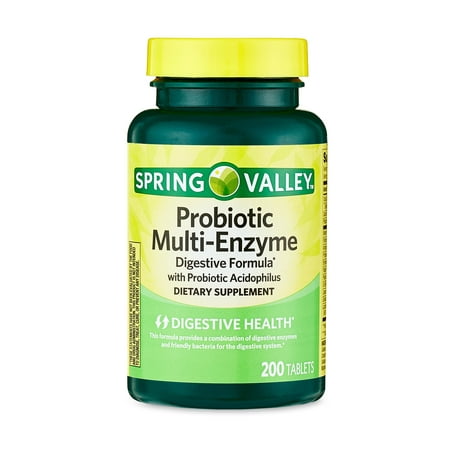


Spring Valley Probiotic Multi-Enzyme Digestive Formula Tablets 200 Count
Analysis updated July 2026 · How Scout scores
At a glance
Summary
This digestive supplement contains beneficial ingredients like betaine hydrochloride, pancreatin, and protease, which support digestion and nutrient absorption. However, the presence of maltodextrin as a filler is a concern due to its high glycemic index and lack of nutritional value. The formulation is moderately processed, which slightly impacts its overall health profile.
Key ingredients 7
Betaine HydrochlorideGood
Betaine hydrochloride is used to increase stomach acid, aiding digestion and nutrient absorption. It is particularly beneficial for individuals with low stomach acid production. Its inclusion in digestive supplements can enhance the breakdown of food and absorption of nutrients.
Risks
Excessive intake may lead to gastrointestinal discomfort or irritation.
Benefits
Supports digestive health by increasing stomach acid, which can improve nutrient absorption.
PancreatinGood
Pancreatin is a mixture of digestive enzymes that help break down proteins, fats, and carbohydrates. It is beneficial for individuals with pancreatic insufficiency or digestive disorders. Its use in supplements can enhance digestion and nutrient absorption.
Risks
May cause gastrointestinal upset in some individuals if taken in large amounts.
Benefits
Aids in the digestion of proteins, fats, and carbohydrates, improving overall digestive efficiency.
ProteaseGood
Protease is an enzyme that breaks down proteins into amino acids, facilitating digestion. It is essential for protein metabolism and absorption. Its inclusion in digestive supplements supports protein digestion and nutrient utilization.
Risks
Excessive intake may lead to gastrointestinal discomfort.
Benefits
Enhances protein digestion and absorption, supporting overall nutritional status.
Dicalcium PhosphateNeutral
Dicalcium phosphate is commonly used as a dietary supplement to provide calcium and phosphorus. It is a processed ingredient often used as a filler or binder in tablets. While it contributes to mineral intake, it does not offer significant additional health benefits.
Benefits
Provides a source of calcium and phosphorus, which are essential for bone health.
Microcrystalline CelluloseNeutral
Microcrystalline cellulose is a refined wood pulp used as a texturizer, anti-caking agent, and bulking agent in food production. It is considered safe and inert, with no nutritional value. It is primarily used to improve the texture and stability of tablets.
See more about Microcrystalline Cellulose →Croscarmellose SodiumNeutral
Croscarmellose sodium is a cellulose derivative used as a disintegrant in tablets, helping them dissolve quickly. It is considered safe and inert, with no nutritional value. Its primary function is to improve the dissolution and bioavailability of active ingredients.
See more about Croscarmellose Sodium →MaltodextrinBad
Maltodextrin is a highly processed carbohydrate used as a filler or thickener. It has a high glycemic index, which can cause spikes in blood sugar levels. Its use as a filler does not contribute to nutritional value and may be detrimental to those managing blood sugar.
Risks
High glycemic index may lead to blood sugar spikes, which is a concern for individuals with insulin sensitivity or diabetes.
Processing
Processed Foods
Get the full breakdown in the Scout appTake Scout shopping
Scan any product to see lab results, healthy alternatives, and your personalized analysis.
Download on theApp Store GET IT ONGoogle Play