
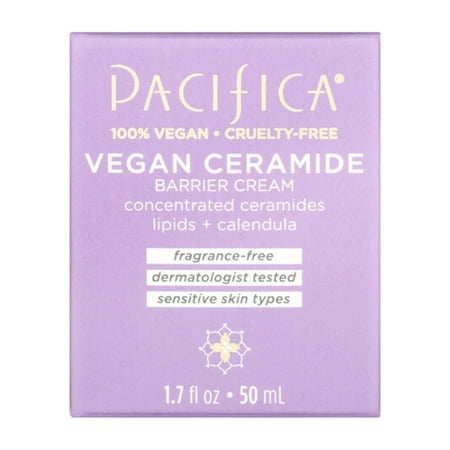
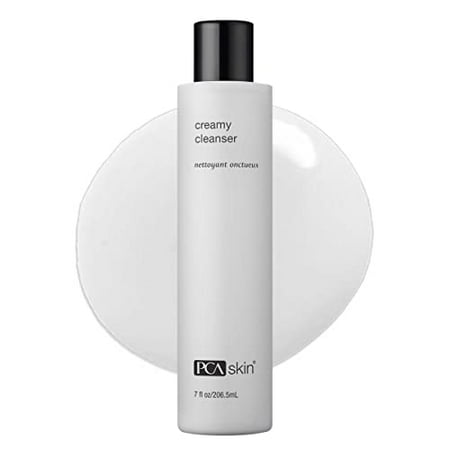
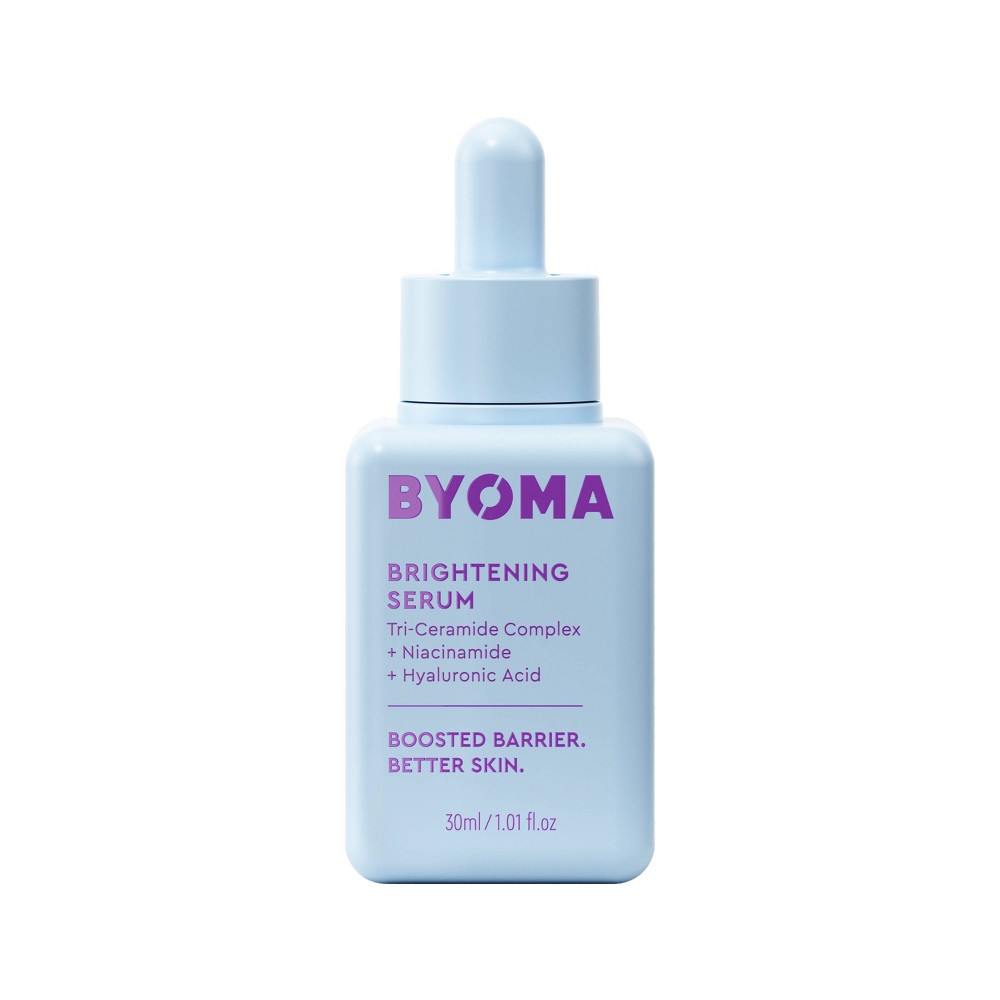

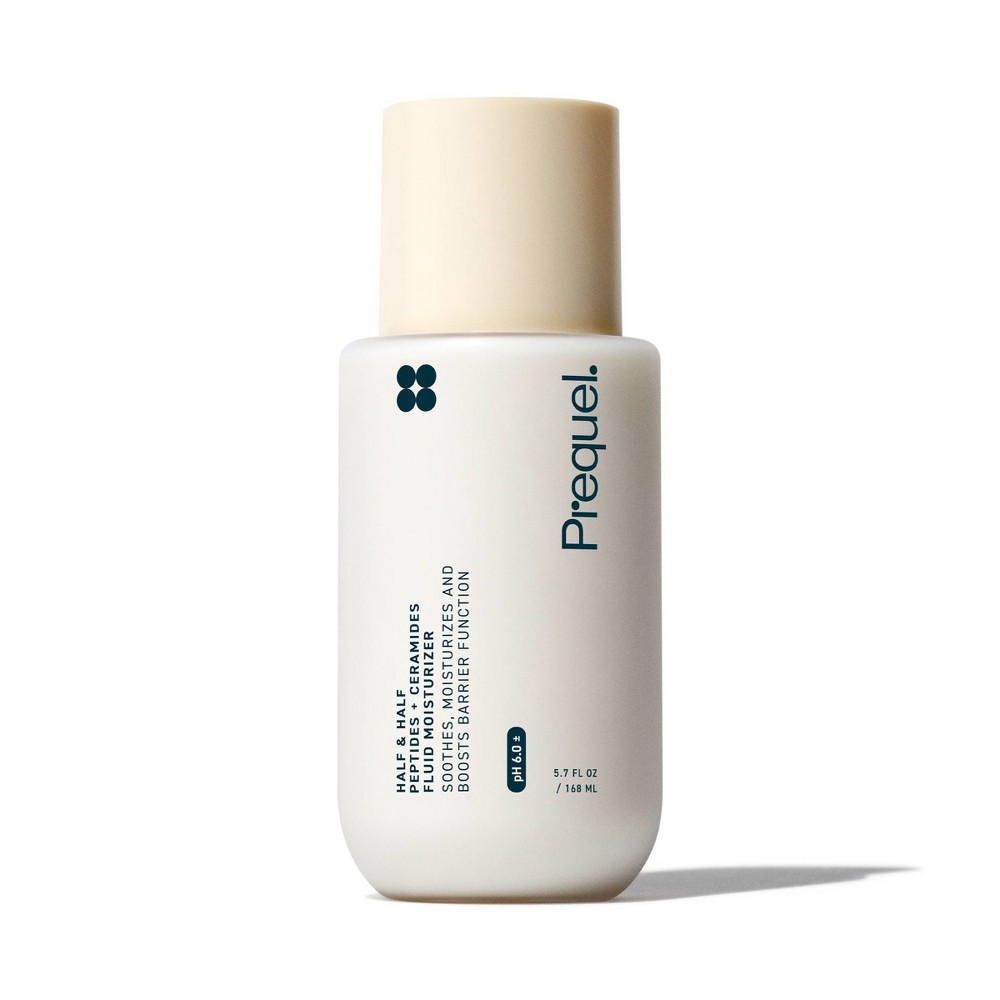
Vegan Ceramide 1.7 fl oz
Analysis updated October 2026 · How Scout scores
At a glance
Summary
This face wash contains a variety of beneficial ingredients such as shea butter, glycerin, and multiple ceramides, which are excellent for moisturizing and restoring the skin barrier. The presence of natural extracts like calendula and marshmallow further enhances its skin-soothing properties. However, the inclusion of phenoxyethanol as a preservative, while generally safe, can be irritating to some individuals, slightly impacting the overall ingredient safety score.
Key ingredients 37
Butyrospermum Parkii (Shea) ButterVery Good
Shea Butter is a natural fat extracted from the nuts of the shea tree, known for its moisturizing and anti-inflammatory properties. It is rich in vitamins and fatty acids, making it highly nourishing for the skin. It is particularly beneficial for dry and sensitive skin types.
Risks
Rarely, it may cause allergic reactions in individuals with nut allergies.
Benefits
It deeply moisturizes and soothes the skin, improving elasticity.
Ceramide APVery Good
Ceramide AP is a type of ceramide that helps to restore the skin barrier and retain moisture. It is essential for maintaining healthy skin structure. It is beneficial for all skin types, especially dry and sensitive skin.
Risks
There are no significant risks associated with ceramides.
Benefits
It strengthens the skin barrier and improves hydration.
Ceramide EOPVery Good
Ceramide EOP is a skin-identical lipid that helps to restore the skin barrier and retain moisture. It is essential for maintaining healthy skin structure. It is beneficial for all skin types, especially dry and sensitive skin.
Risks
There are no significant risks associated with ceramides.
Benefits
It strengthens the skin barrier and improves hydration.
Calendula Officinalis Flower ExtractVery Good
Calendula Extract is a botanical ingredient known for its soothing and healing properties. It is rich in antioxidants and has anti-inflammatory effects. It is beneficial for sensitive and irritated skin.
Risks
Rarely, it may cause allergic reactions in sensitive individuals.
Benefits
It helps to calm and soothe the skin, reducing redness.
Avena Sativa (Oat) Kernel FlourVery Good
Oat Kernel Flour is a natural ingredient known for its soothing and anti-inflammatory properties. It helps to calm irritated skin and is rich in antioxidants. It is particularly beneficial for sensitive and eczema-prone skin.
Risks
Rarely, it may cause allergic reactions in individuals with oat allergies.
Benefits
It soothes and protects the skin, reducing irritation.
Caprylic/Capric TriglycerideGood
Caprylic/Capric Triglyceride is derived from coconut oil and glycerin, used as an emollient and skin-repairing ingredient. It helps to replenish the skin's surface and resist moisture loss. It is well-tolerated by most skin types.
Risks
There are minimal risks associated with this ingredient.
Benefits
It provides a lightweight, non-greasy barrier of moisture.
GlycerinGood
Glycerin is a humectant that attracts moisture to the skin, helping to maintain hydration levels. It is a natural component of the skin's own moisturizing factor. It is non-irritating and suitable for all skin types.
Risks
There are no significant risks associated with glycerin.
Benefits
It helps to keep the skin hydrated and plump.
Ceramide NPGood
Ceramide NP is a skin-identical lipid that helps to restore the skin barrier and retain moisture. It is essential for maintaining healthy skin structure. It is beneficial for all skin types, especially dry and sensitive skin.
Risks
There are no significant risks associated with ceramides.
Benefits
It strengthens the skin barrier and improves hydration.
PhytosphingosineGood
Phytosphingosine is a lipid that naturally occurs in the skin and helps to maintain the skin barrier. It has anti-inflammatory and antimicrobial properties. It is beneficial for acne-prone and sensitive skin.
Risks
There are no significant risks associated with phytosphingosine.
Benefits
It helps to calm inflammation and protect against bacteria.
CholesterolGood
Cholesterol is a lipid that is naturally present in the skin and helps to maintain the skin barrier. It works synergistically with ceramides to improve skin hydration. It is beneficial for dry and aging skin.
Risks
There are no significant risks associated with cholesterol in topical applications.
Benefits
It enhances skin barrier function and hydration.
NiacinamideGood
Niacinamide, or Vitamin B3, is a versatile skincare ingredient known for its anti-inflammatory and brightening properties. It helps to improve skin texture and reduce the appearance of pores. It is suitable for all skin types, including sensitive skin.
Risks
There are no significant risks associated with niacinamide.
Benefits
It improves skin tone, texture, and barrier function.
Palmitoyl Hexapeptide-19Good
Palmitoyl Hexapeptide-19 is a peptide that helps to improve skin elasticity and reduce the appearance of wrinkles. It is a synthetic ingredient that mimics the effects of natural peptides. It is beneficial for aging skin.
Risks
There are no significant risks associated with peptides.
Benefits
It helps to firm the skin and reduce signs of aging.
Althaea Officinalis (Marshmallow) Leaf/Root ExtractGood
Marshmallow Extract is a botanical ingredient known for its soothing and hydrating properties. It helps to calm irritated skin and is rich in mucilage, which provides a protective barrier. It is beneficial for sensitive and dry skin.
Risks
Rarely, it may cause allergic reactions in sensitive individuals.
Benefits
It soothes and hydrates the skin, reducing irritation.
Sodium PCAGood
Sodium PCA is a natural component of the skin's own moisturizing factor, known for its excellent moisture-binding properties. It helps to maintain skin hydration and elasticity. It is non-irritating and suitable for all skin types.
Risks
There are no significant risks associated with Sodium PCA.
Benefits
It enhances skin hydration and suppleness.
ArginineGood
Arginine is an amino acid that helps to maintain skin hydration and elasticity. It is a natural component of the skin's own moisturizing factor. It is non-irritating and suitable for all skin types.
Risks
There are no significant risks associated with Arginine.
Benefits
It enhances skin hydration and elasticity.
PCAGood
PCA, or Pyrrolidone Carboxylic Acid, is a natural component of the skin's own moisturizing factor, known for its excellent moisture-binding properties. It helps to maintain skin hydration and elasticity. It is non-irritating and suitable for all skin types.
Risks
There are no significant risks associated with PCA.
Benefits
It enhances skin hydration and suppleness.
GlycineGood
Beneficial ingredient — whole-food or functional value in this product class.
Risks
There are no significant risks associated with Glycine.
Benefits
It helps to maintain skin hydration and texture.
AquaNeutral
Aqua, or water, is a common solvent used in cosmetics to dissolve other ingredients. It is essential for the formulation but does not provide direct skin benefits. It is generally considered safe and non-irritating.
Risks
There are no significant risks associated with water in cosmetic formulations.
Benefits
Water helps to hydrate the skin by providing moisture.
Stearyl AlcoholNeutral
Stearyl Alcohol is a fatty alcohol used as an emollient and thickener in cosmetics. It helps to stabilize formulations and improve texture. It is generally considered safe and non-irritating.
Risks
Rarely, it may cause mild irritation in sensitive individuals.
Benefits
It helps to soften and smooth the skin.
Cetearyl AlcoholNeutral
Cetearyl Alcohol is a fatty alcohol used as an emollient and emulsifier in cosmetics. It helps to stabilize formulations and improve texture. It is generally considered safe and non-irritating.
Risks
Rarely, it may cause mild irritation in sensitive individuals.
Benefits
It helps to soften and smooth the skin.
Glyceryl CaprylateNeutral
Glyceryl Caprylate is an emollient and emulsifier derived from glycerin and caprylic acid. It helps to stabilize formulations and improve texture. It is generally considered safe and non-irritating.
Risks
There are minimal risks associated with this ingredient.
Benefits
It helps to maintain the stability and consistency of the product.
Cetyl AlcoholNeutral
Cetyl Alcohol is a fatty alcohol used as an emollient and thickener in cosmetics. It helps to stabilize formulations and improve texture. It is generally considered safe and non-irritating.
Risks
Rarely, it may cause mild irritation in sensitive individuals.
Benefits
It helps to soften and smooth the skin.
Sodium LactateNeutral
Standard formulation ingredient — neither beneficial nor harmful at typical use.
Risks
There are no significant risks associated with Sodium Lactate.
Benefits
It enhances skin hydration and smoothness.
Aspartic AcidNeutral
Aspartic Acid is an amino acid used in cosmetics for its conditioning properties. It helps to maintain skin hydration and texture. It is generally considered safe and non-irritating.
Risks
There are no significant risks associated with Aspartic Acid.
Benefits
It helps to maintain skin hydration and texture.
AlanineNeutral
Alanine is an amino acid used in cosmetics for its conditioning properties. It helps to maintain skin hydration and texture. It is generally considered safe and non-irritating.
Risks
There are no significant risks associated with Alanine.
Benefits
It helps to maintain skin hydration and texture.
SerineNeutral
Serine is an amino acid used in cosmetics for its conditioning properties. It helps to maintain skin hydration and texture. It is generally considered safe and non-irritating.
Risks
There are no significant risks associated with Serine.
Benefits
It helps to maintain skin hydration and texture.
ValineNeutral
Valine is an amino acid used in cosmetics for its conditioning properties. It helps to maintain skin hydration and texture. It is generally considered safe and non-irritating.
Risks
There are no significant risks associated with Valine.
Benefits
It helps to maintain skin hydration and texture.
ProlineNeutral
Proline is an amino acid used in cosmetics for its conditioning properties. It helps to maintain skin hydration and texture. It is generally considered safe and non-irritating.
Risks
There are no significant risks associated with Proline.
Benefits
It helps to maintain skin hydration and texture.
ThreonineNeutral
Threonine is an amino acid used in cosmetics for its conditioning properties. It helps to maintain skin hydration and texture. It is generally considered safe and non-irritating.
Risks
There are no significant risks associated with Threonine.
Benefits
It helps to maintain skin hydration and texture.
IsoleucineNeutral
Isoleucine is an amino acid used in cosmetics for its conditioning properties. It helps to maintain skin hydration and texture. It is generally considered safe and non-irritating.
Risks
There are no significant risks associated with Isoleucine.
Benefits
It helps to maintain skin hydration and texture.
HistidineNeutral
Histidine is an amino acid used in cosmetics for its conditioning properties. It helps to maintain skin hydration and texture. It is generally considered safe and non-irritating.
Risks
There are no significant risks associated with Histidine.
Benefits
It helps to maintain skin hydration and texture.
PhenylalanineNeutral
Phenylalanine is an amino acid used in cosmetics for its conditioning properties. It helps to maintain skin hydration and texture. It is generally considered safe and non-irritating.
Risks
There are no significant risks associated with Phenylalanine.
Benefits
It helps to maintain skin hydration and texture.
Glyceryl Stearate CitrateNeutral
Glyceryl Stearate Citrate is an emulsifier used to stabilize formulations and improve texture. It is derived from glycerin and stearic acid. It is generally considered safe and non-irritating.
Risks
There are no significant risks associated with Glyceryl Stearate Citrate.
Benefits
It helps to maintain the stability and consistency of the product.
Sodium Lauroyl LactylateNeutral
Sodium Lauroyl Lactylate is a mild surfactant and emulsifier used to stabilize formulations. It is derived from lauric acid and lactic acid. It is generally considered safe and non-irritating.
Risks
There are no significant risks associated with Sodium Lauroyl Lactylate.
Benefits
It helps to maintain the stability and consistency of the product.
Xanthan GumNeutral
Xanthan Gum is a natural thickening agent used to stabilize formulations and improve texture. It is derived from fermented sugars. It is generally considered safe and non-irritating.
Risks
There are no significant risks associated with Xanthan Gum.
Benefits
It helps to maintain the stability and consistency of the product.
EthylhexylglycerinNeutral
Ethylhexylglycerin is a preservative and skin-conditioning agent used to enhance the efficacy of other preservatives. It is derived from glycerin and is generally considered safe. It is non-irritating and suitable for most skin types.
Risks
There are no significant risks associated with Ethylhexylglycerin.
Benefits
It helps to preserve the product and improve skin feel.
PhenoxyethanolBad
Phenoxyethanol is a preservative used to prevent microbial growth in cosmetics. It is considered a safer alternative to parabens but can cause irritation in some individuals. It is generally used in low concentrations to minimize risks.
Risks
It may cause skin irritation and allergic reactions in sensitive individuals.
Benefits
It helps to preserve the product and extend its shelf life.
Get the full breakdown in the Scout appTake Scout shopping
Scan any product to see lab results, healthy alternatives, and your personalized analysis.
Download on theApp Store GET IT ONGoogle PlayAmazon pricing & content
Amazon price as of . Product prices and availability are accurate as of the date/time indicated and are subject to change. Any price and availability information displayed on Amazon.com at the time of purchase will apply to the purchase of this product.
CERTAIN CONTENT THAT APPEARS ON THIS SITE COMES FROM AMAZON. THIS CONTENT IS PROVIDED “AS IS” AND IS SUBJECT TO CHANGE OR REMOVAL AT ANY TIME.