
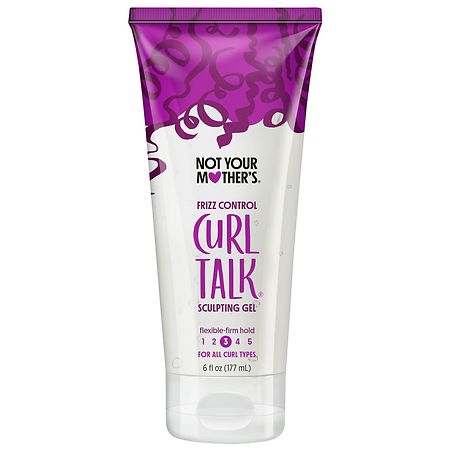

Not Your Mother's Curl Talk Sculpting Gel - 6 fl oz: Curl Enhancing, All Hair Types, Paraben-Free, Silicone-Free
Summary
This hair gel contains a mix of natural and synthetic ingredients. It includes beneficial components like keratin amino acids and rice extract, which can enhance hair health. However, the presence of synthetic fragrance and preservatives like phenoxyethanol, along with other synthetic compounds, affects its overall safety profile. The product is processed, which further influences its rating.
At a glance
Key ingredients 18
Water (Aqua) (Eau)Neutral
Water is a common solvent used in cosmetics to dissolve other ingredients. It helps in the application and absorption of the product. It does not provide direct benefits or risks in hair care products.
Benefits
Acts as a base for the formulation, allowing other ingredients to be delivered effectively.
PVPNeutral
PVP is a film-forming agent that helps in styling and holding hair. It is widely used in hair gels and sprays for its ability to provide a firm hold. It is generally considered safe for use in cosmetics.
Risks
May cause build-up on hair if not washed out properly.
Benefits
Provides strong hold and styling benefits in hair care products.
Polysorbate 20Neutral
Polysorbate 20 is an emulsifier that helps mix oil and water-based ingredients. It is commonly used in cosmetics to stabilize formulations. It is generally regarded as safe for use in personal care products.
Risks
Potential for mild skin irritation in sensitive individuals.
Benefits
Helps maintain product consistency and stability.
Keratin Amino AcidsVery Good
Keratin amino acids are derived from keratin, a protein that strengthens and repairs hair. They help improve hair elasticity and reduce breakage. These amino acids are beneficial for maintaining healthy hair structure.
Benefits
Strengthens and repairs hair, improving its overall health and appearance.
Oryza Sativa (Rice) ExtractGood
Rice extract is known for its conditioning properties and ability to add shine to hair. It contains antioxidants and nutrients that support hair health. It is a natural ingredient that enhances the texture and appearance of hair.
Benefits
Conditions and adds shine to hair, enhancing its appearance.
Acyl Coenzyme A DesaturaseNeutral
Acyl Coenzyme A Desaturase is an enzyme that may be involved in lipid metabolism. Its specific role in hair care products is not well-documented. It is generally considered safe for use in cosmetics.
Risks
Limited information on potential risks in cosmetic use.
Benefits
Potentially involved in lipid metabolism, though benefits in hair care are unclear.
IsopentyldiolNeutral
Isopentyldiol is a humectant that helps retain moisture in hair. It is used to improve the texture and feel of hair care products. It is generally considered safe for use in cosmetics.
Risks
May cause mild irritation in sensitive individuals.
Benefits
Helps retain moisture, improving hair texture and feel.
Lactobacillus/Tomato Fruit Ferment ExtractGood
This extract is known for its antioxidant properties and ability to support scalp health. It may help protect hair from environmental damage. It is a natural ingredient that can enhance hair vitality.
Benefits
Provides antioxidant benefits and supports scalp health.
Leuconostoc/Radish Root Ferment FiltrateGood
This ferment filtrate is used for its antimicrobial properties, helping to preserve the product naturally. It is derived from radish root and is considered a natural preservative. It is beneficial for maintaining product integrity without synthetic preservatives.
Benefits
Acts as a natural preservative, maintaining product integrity.
Tetrasodium Glutamate DiacetateNeutral
Tetrasodium Glutamate Diacetate is a chelating agent that helps stabilize cosmetic formulations. It binds metal ions, preventing them from affecting product stability. It is generally considered safe for use in cosmetics.
Benefits
Stabilizes formulations by binding metal ions, enhancing product longevity.
EthylhexylglycerinNeutral
Ethylhexylglycerin is used as a skin conditioning agent and preservative enhancer. It helps improve the efficacy of preservatives in cosmetic formulations. It is generally considered safe for use in personal care products.
Risks
May cause mild irritation in sensitive individuals.
Benefits
Enhances preservative efficacy and conditions the skin.
PhenoxyethanolBad
Phenoxyethanol is a preservative used to prevent microbial growth in cosmetics. It is effective but can cause irritation in some individuals. It is a synthetic compound that has raised concerns over potential toxicity.
Risks
Potential for skin irritation and allergic reactions.
Benefits
Prevents microbial growth, extending product shelf life.
Citric AcidNeutral
Citric acid is used to adjust the pH of cosmetic formulations. It is a natural acid found in citrus fruits and is generally safe for use in cosmetics. It helps maintain product stability and performance.
Risks
May cause mild irritation in sensitive skin.
Benefits
Adjusts pH and maintains product stability.
Fragrance (Parfum)Bad
Fragrance is used to impart scent to cosmetic products. It is a common allergen and can cause irritation in sensitive individuals. The specific composition of fragrances is often undisclosed, raising concerns over potential harmful effects.
Risks
Potential for allergic reactions and skin irritation.
Benefits
Provides a pleasant scent to the product.
LinaloolBad
Linalool is a fragrance component that can cause allergic reactions in some individuals. It is naturally found in many essential oils but can be irritating to the skin. It is often included in products for its pleasant scent.
Risks
Potential for skin irritation and allergic reactions.
Benefits
Contributes to the fragrance profile of the product.
LimoneneBad
Limonene is a fragrance ingredient that can oxidize and cause skin irritation. It is naturally found in citrus oils and is used for its fresh scent. It is a known allergen and can be sensitizing to the skin.
Risks
Potential for skin irritation and allergic reactions.
Benefits
Provides a fresh, citrus scent to the product.
HydroxycitronellalBad
Hydroxycitronellal is a fragrance ingredient that can cause allergic reactions. It is used for its floral scent but is a known skin sensitizer. It is often included in products for its pleasant aroma.
Risks
Potential for skin irritation and allergic reactions.
Benefits
Adds a floral scent to the product.
CitronellolBad
Citronellol is a fragrance component that can cause skin irritation and allergic reactions. It is naturally found in rose and geranium oils and is used for its floral scent. It is a known allergen and can be sensitizing to the skin.
Risks
Potential for skin irritation and allergic reactions.
Benefits
Contributes to the floral fragrance of the product.
Processing
Processed Foods
Get the full breakdown in the Scout app
Scan any product to see lab results, healthy alternatives, and your personalized analysis.
Download on theApp Store