
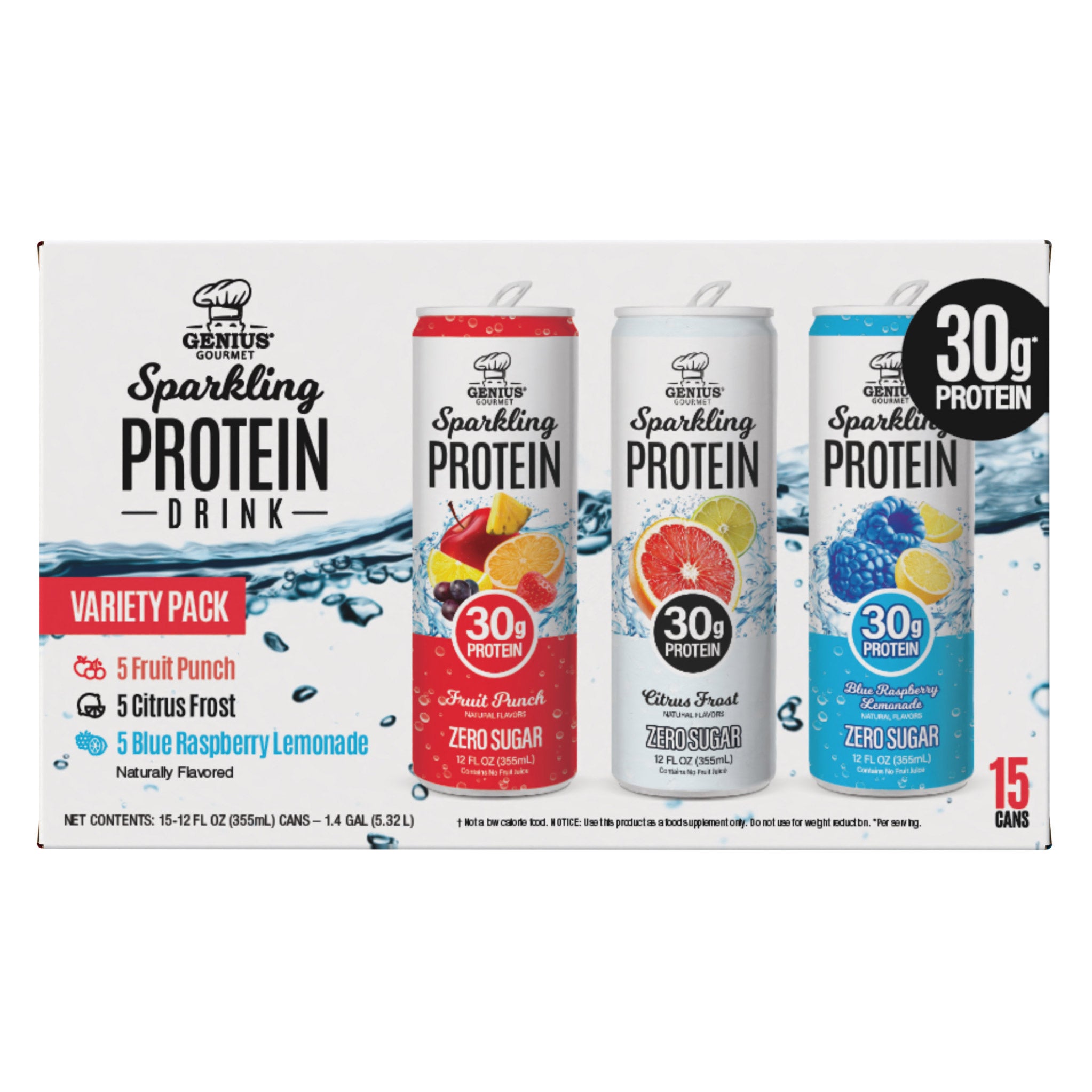

Protein Pop Sparkling Water
Analysis updated August 2026 · How Scout scores
At a glance
Summary
This sparkling water product includes beneficial ingredients like whey protein isolate and bovine collagen peptides, which support muscle and joint health. However, it also contains cane sugar and phosphoric acid, which can negatively impact metabolic health and bone density. The presence of these additives and the level of processing limit its overall healthiness compared to more natural water options.
Key ingredients 9
Whey Protein IsolateVery Good
Whey protein isolate is a high-quality protein source that supports muscle repair and growth. It is processed to remove most fats and lactose, making it suitable for those with lactose intolerance. Its rapid absorption rate makes it ideal for post-exercise recovery.
Risks
Excessive consumption may lead to digestive issues such as bloating or cramps.
Benefits
Rich in essential amino acids, it supports muscle health and recovery.
Bovine Collagen PeptidesGood
Bovine collagen peptides are known for supporting skin, joint, and bone health. They are derived from cow hides through a process that breaks down collagen into more digestible peptides. This ingredient is beneficial for maintaining skin elasticity and joint function.
Benefits
Supports skin elasticity and joint health, contributing to overall well-being.
Filtered Carbonated WaterNeutral
Filtered carbonated water is primarily used as a base for beverages, providing hydration without additional calories. The filtration process ensures the removal of impurities, maintaining water quality. It serves as a neutral medium for other ingredients without significant health impacts.
Benefits
Provides hydration and acts as a carrier for other nutrients in the beverage.
Citric AcidNeutral
Citric acid is a natural preservative and flavor enhancer commonly found in citrus fruits. It is used to add tartness and preserve freshness in beverages. While generally safe, excessive consumption can lead to dental erosion.
Risks
Excessive consumption may lead to dental erosion.
Benefits
Acts as a natural preservative and enhances flavor.
Malic AcidNeutral
Malic acid is a naturally occurring acid found in fruits, used to enhance flavor and acidity in beverages. It is generally recognized as safe and contributes to the tart taste of the product. It does not provide significant nutritional benefits but improves palatability.
Benefits
Enhances flavor and acidity, improving the taste profile.
Natural FlavorsBad
Umbrella term that can hide dozens of undisclosed synthetic constituents.
Risks
Potential for allergic reactions in sensitive individuals.
Benefits
Enhances taste without adding calories or sugars.
Cane SugarBad
Cane sugar is a simple carbohydrate that provides quick energy but can contribute to weight gain and metabolic issues if consumed in excess. It is minimally processed compared to refined sugars but still impacts blood sugar levels. Regular consumption can lead to increased risk of obesity and diabetes.
Risks
Excessive intake can lead to obesity, diabetes, and dental issues.
Benefits
Provides quick energy but should be consumed in moderation.
Phosphoric AcidBad
Phosphoric acid is used to add acidity and preserve flavor in beverages. It is a synthetic additive that can contribute to bone density loss if consumed in large amounts. Its presence in carbonated drinks is linked to potential negative effects on bone health.
Risks
May contribute to decreased bone density with excessive consumption.
Benefits
Enhances flavor and acts as a preservative.
Potassium SorbateBad
Synthetic preservative — flagged in daily-use products.
Risks
Potential for allergic reactions in sensitive individuals.
Benefits
Prevents spoilage and extends shelf life of the product.
Processing
Processed Foods
Get the full breakdown in the Scout appTake Scout shopping
Scan any product to see lab results, healthy alternatives, and your personalized analysis.
Download on theApp Store GET IT ONGoogle PlayAmazon pricing & content
Amazon price as of . Product prices and availability are accurate as of the date/time indicated and are subject to change. Any price and availability information displayed on Amazon.com at the time of purchase will apply to the purchase of this product.
CERTAIN CONTENT THAT APPEARS ON THIS SITE COMES FROM AMAZON. THIS CONTENT IS PROVIDED “AS IS” AND IS SUBJECT TO CHANGE OR REMOVAL AT ANY TIME.