

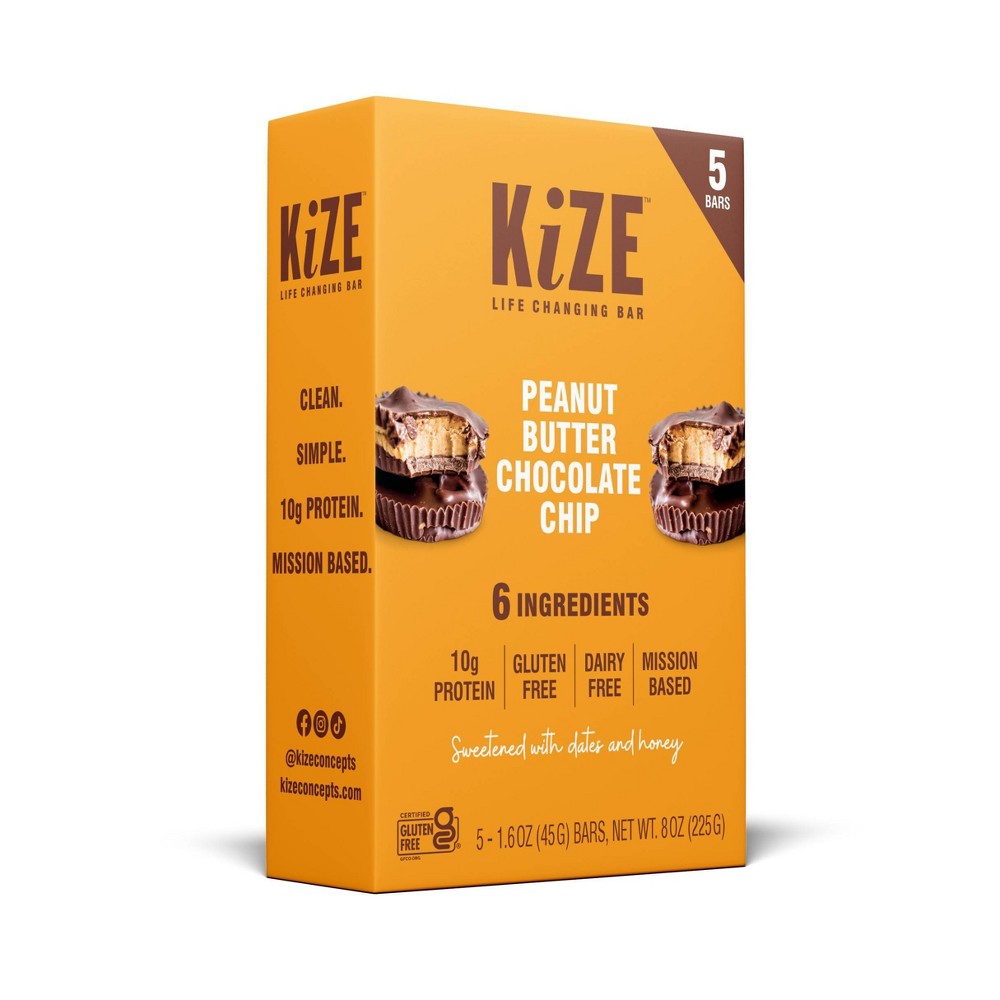


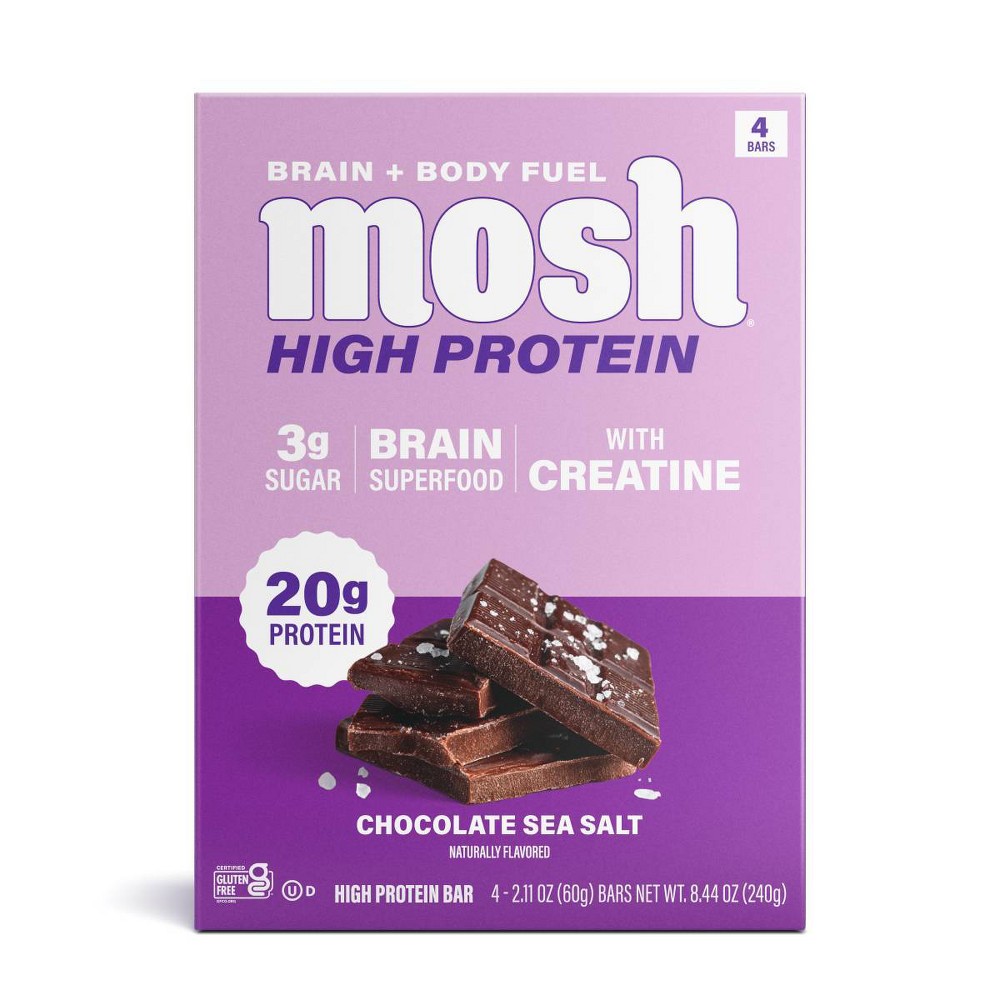
Chewy Granola Bar Chocolate Chip
Summary
This chewy granola bar contains beneficial ingredients like whole grain oats and almond butter, which provide fiber and healthy fats. However, it is heavily processed and includes refined sugars and seed oils, which are linked to negative health impacts. The presence of multiple additives and the use of natural flavors further contribute to its lower score, despite some positive nutritional aspects.
At a glance
Key ingredients 13
Whole Grain Rolled OatsGood
Whole grain rolled oats are a nutritious source of complex carbohydrates and fiber. They are minimally processed and retain most of their natural nutrients. Oats can help maintain steady blood sugar levels and promote heart health.
Benefits
Rich in dietary fiber, which supports digestive health and may lower cholesterol levels.
Tapioca SyrupNeutral
Tapioca syrup is a natural sweetener derived from cassava root. It is often used as a substitute for corn syrup in processed foods. While it provides sweetness, it lacks significant nutritional benefits.
Risks
Excessive consumption may contribute to increased blood sugar levels.
Benefits
Provides a natural alternative to high fructose corn syrup with fewer additives.
Whey Protein CrispsGood
Whey protein crisps are a high-quality source of protein derived from milk. They provide essential amino acids necessary for muscle repair and growth. Whey protein is well-absorbed and supports muscle recovery.
Risks
May cause digestive issues for individuals with lactose intolerance.
Benefits
Excellent source of complete protein, supporting muscle health and recovery.
Whole Grain Brown RiceGood
Whole grain brown rice is a nutritious grain that provides fiber, vitamins, and minerals. It is less processed than white rice, retaining more nutrients. Brown rice supports digestive health and provides sustained energy.
Benefits
Rich in fiber and essential nutrients, supporting overall health and energy levels.
Pea Protein With Rice StarchNeutral
Pea protein with rice starch is a plant-based protein source. It offers a good alternative for those avoiding animal proteins. However, it may not provide as complete an amino acid profile as animal-based proteins.
Risks
May not provide a complete amino acid profile compared to animal-based proteins.
Benefits
Suitable for vegetarians and those with dairy allergies, providing a plant-based protein option.
Semisweet Chocolate ChipsNeutral
Semisweet chocolate chips provide flavor and sweetness to the product. They contain sugar and cocoa butter, which can add calories and fat. While they enhance taste, they offer limited nutritional benefits.
Risks
High sugar content may contribute to increased calorie intake and potential weight gain.
Benefits
Adds flavor and enjoyment to the product, making it more palatable.
Cane SugarBad
Cane sugar is a refined sweetener that contributes to the product's sugar content. It provides empty calories with no essential nutrients. Excessive consumption of refined sugars can lead to health issues such as obesity and diabetes.
Risks
High intake of refined sugars is linked to increased risk of obesity, diabetes, and heart disease.
Almond ButterGood
Almond butter is a nutritious spread made from ground almonds. It is rich in healthy fats, protein, and vitamins. Almond butter supports heart health and provides a source of plant-based protein.
Risks
May cause allergic reactions in individuals with nut allergies.
Benefits
Rich in monounsaturated fats and vitamin E, supporting heart health and providing antioxidant benefits.
Soluble Tapioca FiberNeutral
Soluble tapioca fiber is used to increase fiber content in foods. It is derived from tapioca starch and can aid in digestive health. However, it lacks the nutrient density of whole food fiber sources.
Benefits
Contributes to dietary fiber intake, supporting digestive health.
Sunflower And/Or Canola And/Or Soybean OilVery Bad
These oils are high in omega-6 fatty acids, which can promote inflammation when consumed in excess. They are often highly processed and refined. The presence of these oils is a concern due to their potential negative health impacts.
Risks
High omega-6 content may promote inflammation and contribute to chronic diseases.
Natural FlavorsBad
Natural flavors are a catch-all term for flavoring agents derived from natural sources. They are often highly processed and can contain multiple additives. The lack of transparency in their composition raises concerns about potential allergens and additives.
Risks
Potential allergens and additives may be present, with unknown health impacts.
Sunflower And/Or Soy And/Or Canola LecithinBad
Lecithin is used as an emulsifier to improve texture and shelf life. It is often derived from genetically modified crops and may contain residues from processing. The use of lecithin is a concern due to potential allergens and processing methods.
Risks
Potential allergens and residues from processing may pose health concerns.
SaltNeutral
Salt is used to enhance flavor and preserve food. While necessary in small amounts, excessive intake can lead to health issues such as hypertension. The salt content in this product should be monitored as part of a balanced diet.
Risks
Excessive salt intake is linked to increased risk of hypertension and cardiovascular disease.
Benefits
Enhances flavor and acts as a preservative in food products.
Processing
Ultra-Processed Foods
Get the full breakdown in the Scout app
Scan any product to see lab results, healthy alternatives, and your personalized analysis.
Download on theApp Store