Ingredient · Updated
Tapioca Syrup
Found in 19 productsSee all
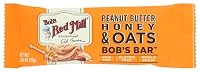 Bob's Red Mill Peanut Butter Honey & Oats Bob's Bar
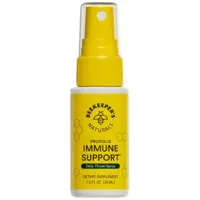 Bee Keeper's Naturals Bee Propolis Throat Spray
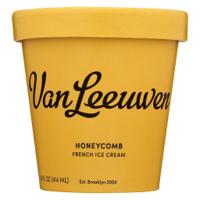 Van Leeuwen Honeycomb French Ice Cream
 Van Leeuwen Coffee Affogato Frozen Dairy Dessert
 Aloha Peanut Butter Cup Bar
 Protein Pints Cookie Dough Protein pint Peanut butter chip
 Kodiak Protein-Packed Honey Oat Granola
What is Tapioca Syrup?
Tapioca syrup is a natural sweetener derived from the starch of cassava root. It undergoes enzymatic processes to convert the starches into sugars, resulting in a liquid syrup that is similar in texture and function to other liquid sweeteners such as corn syrup.
It is commonly used in food products as a binding agent and sweetener. Tapioca syrup is favored in the health and organic food sectors as a gluten-free alternative to more conventional sweeteners. While it is less processed than table sugar, its health effects are similar to other sugary syrups, meaning it can contribute to increased calorie intake and blood sugar levels.
When you see tapioca syrup on a label, it's functioning primarily as a sweetener, often in products that aim to be gluten-free or organic.
Commonly found in: candy, protein bars, ice cream, baked goods, granola bars
What to watch
- High consumption may contribute to elevated blood sugar levels.
Tapioca syrup is generally recognized as safe (GRAS) by the FDA when used in food products.
Research highlights its role as a sugar alternative, but the health implications are similar to other sugars in terms of caloric and glycemic effects.
Tapioca syrup is plant-derived and generally accepted in vegan diets.
Sources: GRAS Substances (SCOGS) Database · Cassava: Adding Value for Africa (C:AVA) - Cassava Starch and Tapioca Syrup Production
Scout's take
Processed additive flagged under Scout's ingredient doctrine.
The case against
Excessive consumption may contribute to increased blood sugar levels.
from the analysis of KIND ALMOND BUTTER WHOLE GRAIN CLUSTERS · echoed in 2 other analysesExcessive consumption may contribute to increased sugar intake and related health issues.
from the analysis of CLIF Kid ZBar (36 Count) · echoed in 1 other analysisMay contribute to increased blood sugar levels and lacks significant nutritional benefits.
from the analysis of Protein Pints Cookie DoughHigh in sugars, which can contribute to metabolic issues if consumed in excess.
from the analysis of Jeni's Double DoughMay contribute to increased blood sugar levels if consumed in large amounts.
from the analysis of Angie's Boom Chicks Pop BarsThe case for
Provides a natural alternative to more processed sweeteners, with a lower glycemic index than some refined sugars.
from the analysis of CLIF Kid ZBar (36 Count) · echoed in 3 other analysesProvides a natural alternative to more processed sweeteners.
from the analysis of Angie's Boom Chicks Pop Bars · echoed in 1 other analysisProvides a mild sweetness and can be a less processed alternative to corn syrup.
from the analysis of Jeni's Double DoughProvides a natural alternative to corn syrup with a lower glycemic index.
from the analysis of Aloha Chocolate Chip Cookie Dough Plant-Based Protein Bars - ProteinProvides sweetness with a lower glycemic index than refined sugars.
from the analysis of Protein pint Peanut butter chipMore from Scout's analyses
Refined sugar syrup.
from the analysis of Bob's Red Mill Peanut Butter Honey & Oats Bob's BarSecond processed sweetener — a highly refined sugar derived from cassava starch. Stacking two liquid sugars as the top ingredients is a hallmark of ultra-processing.
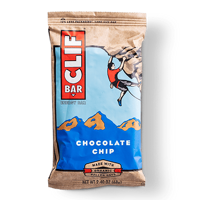
from the analysis of Clif Bar Chocolate ChipTapioca syrup is a sweetener derived from cassava root, often used as a sugar alternative. It is highly processed and primarily provides carbohydrates without significant nutritional benefits. It can contribute to increased blood sugar levels.
from the analysis of Protein Pints Cookie DoughAll 19 products with Tapioca Syrup





Where Tapioca Syrup shows up
- Protein Bars 8 products
- Ice Cream 4 products
- Granola 2 products
- Snack Bars 2 products
- Immunity 1 product
- Cookies 1 product
Higher-scoring picks without Tapioca Syrup
Products from the same categories whose analyzed ingredient list does not include Tapioca Syrup, scoring 80 or above.

Scan any product to see every ingredient explained — and healthier swaps.