


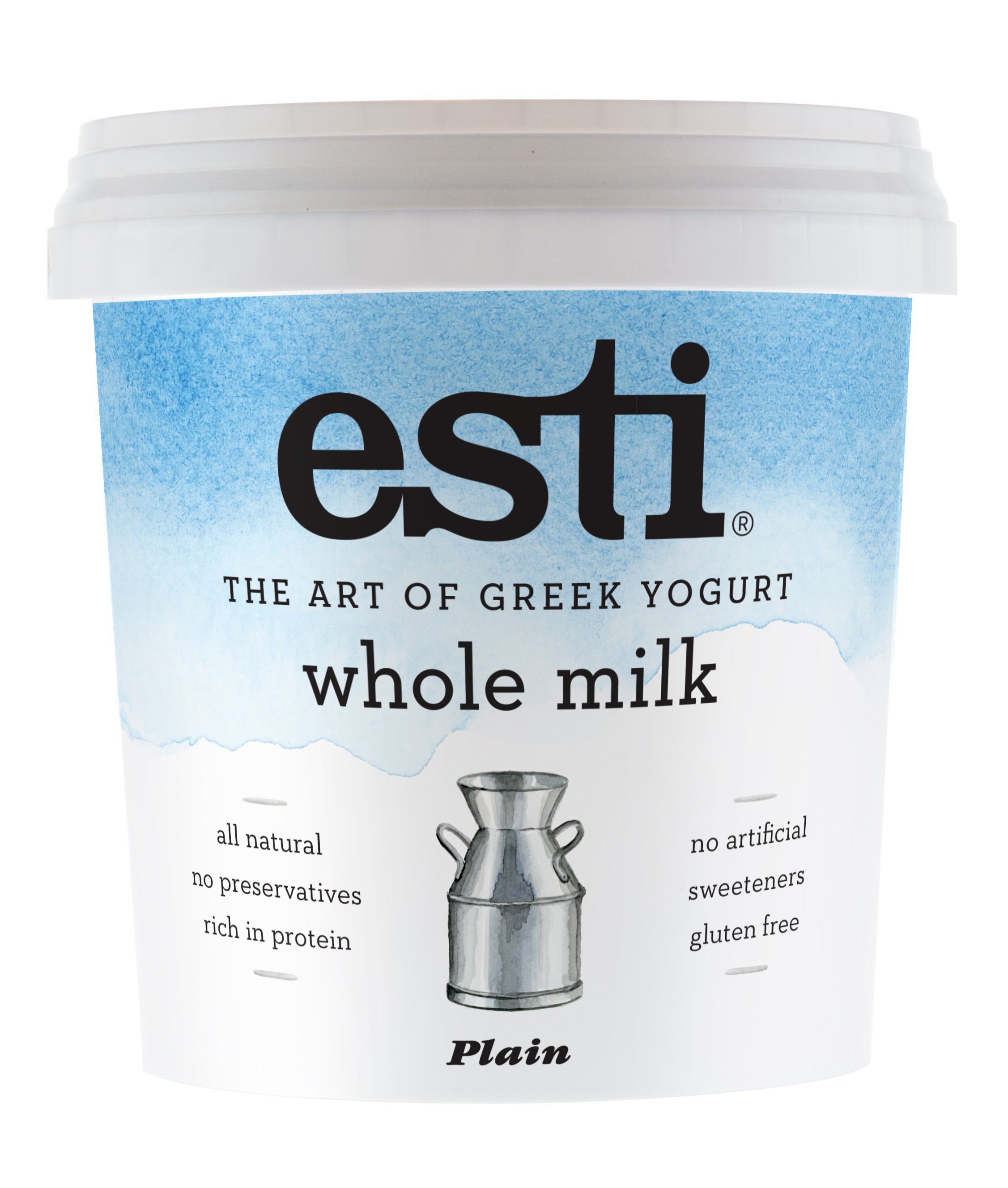

Meijer WHOLE MILK GREEK YOGURT, VANILLA
Analysis updated September 2026 · How Scout scores
At a glance
Summary
This yogurt contains beneficial ingredients like cultured pasteurized skim milk and cream, which provide protein, calcium, and healthy fats. However, it is penalized for added sugar, which contributes to empty calories and potential health issues. The presence of natural flavors and a few additives, along with its high processing level, further impacts its score.
Key ingredients 9
Cultured pasteurized skim milkGood
Cultured pasteurized skim milk is a primary source of protein and calcium. The pasteurization process ensures safety by eliminating harmful bacteria. Culturing adds beneficial probiotics that support gut health.
Benefits
Provides essential nutrients like protein and calcium, and supports digestive health through probiotics.
CreamGood
Cream adds richness and a smooth texture to the yogurt. It is a source of healthy fats that can aid in the absorption of fat-soluble vitamins. The presence of cream enhances the flavor profile of the yogurt.
Risks
Excessive consumption may contribute to increased calorie intake and potential weight gain.
Benefits
Contains healthy fats that support nutrient absorption and provide energy.
Live active culturesGood
Live active cultures such as S. thermophilus and L. bulgaricus are beneficial probiotics. They support digestive health and enhance the nutritional profile of yogurt. These cultures are essential for the fermentation process in yogurt production.
Benefits
Promotes gut health and supports the immune system.
PectinNeutral
Pectin is a natural thickening agent derived from fruits. It helps achieve the desired texture in yogurt without altering the flavor. Pectin is generally recognized as safe and is commonly used in food products.
Benefits
Contributes to the texture and stability of the yogurt.
Locust bean gumNeutral
Locust bean gum is a natural thickener derived from carob seeds. It is used to improve the texture and consistency of yogurt. This ingredient is generally considered safe and is commonly used in food products.
Risks
May cause digestive discomfort in sensitive individuals if consumed in large amounts.
Benefits
Improves texture and consistency without adding calories.
Citric acidNeutral
Citric acid is used as a preservative and to add a slight tartness to the yogurt. It is naturally found in citrus fruits and is widely used in food processing. Citric acid is generally recognized as safe.
Risks
Excessive consumption may cause tooth enamel erosion.
Benefits
Acts as a preservative and enhances flavor.
Calcium chlorideNeutral
Calcium chloride is used to improve the texture and firmness of yogurt. It is a common food additive that helps maintain the structural integrity of dairy products. This ingredient is generally recognized as safe.
Benefits
Enhances texture and provides a source of calcium.
SugarBad
Sugar is added for sweetness but contributes to increased calorie content without nutritional benefits. Excessive sugar intake is linked to various health issues such as obesity and diabetes. It is important to consume sugar in moderation.
Risks
High sugar intake can lead to weight gain, increased risk of diabetes, and dental issues.
Benefits
Provides quick energy but lacks essential nutrients.
Natural flavorsBad
Umbrella term that can hide dozens of undisclosed synthetic constituents.
Risks
Potential for allergic reactions in sensitive individuals due to undisclosed components.
Benefits
Enhances flavor without adding calories.
Processing
Ultra-Processed Foods
Get the full breakdown in the Scout appTake Scout shopping
Scan any product to see lab results, healthy alternatives, and your personalized analysis.
Download on theApp Store GET IT ONGoogle Play