
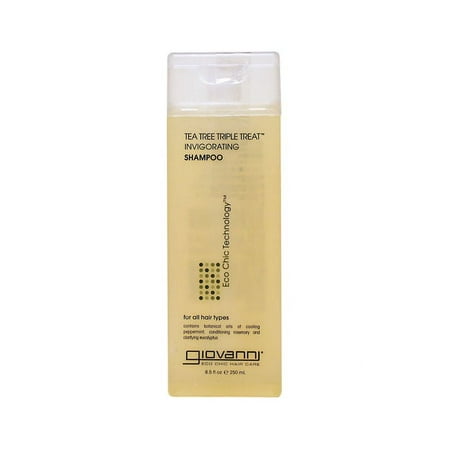
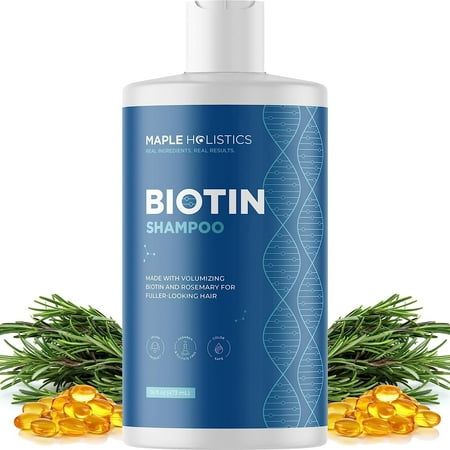
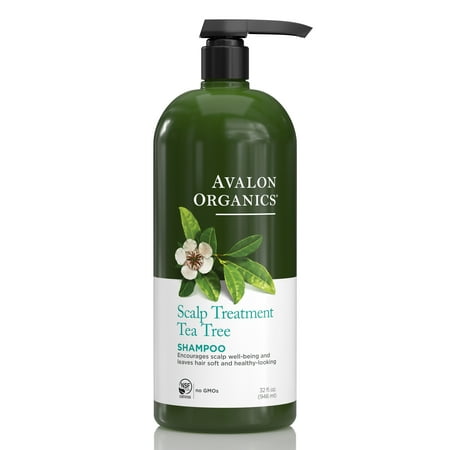
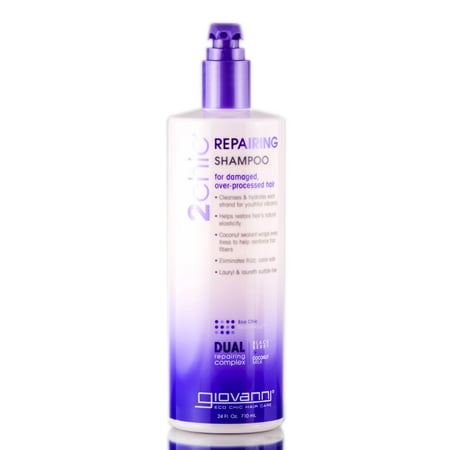

Giovanni Invigorating Shampoo Tea Tree Triple Treat for Itchy Dry Scalp Sulfate-Free No Parabens 8.5 oz
Analysis updated August 2026 · How Scout scores
At a glance
Summary
This shampoo is sulfate-free and does not contain parabens, which is beneficial for scalp health. It includes several natural ingredients like tea tree oil, peppermint oil, and aloe vera, which are known for their soothing and moisturizing properties. However, the presence of synthetic fragrance and a few other synthetic additives slightly detracts from its overall ingredient safety profile.
Key ingredients 27
Sodium Coco-SulfateVery Good
Sodium Coco-Sulfate is a coconut-derived surfactant that gently cleanses the hair and scalp. It is considered milder than traditional sulfates like SLS. It effectively removes dirt and oil without excessive drying.
Risks
In rare cases, it may cause mild irritation for sensitive scalps.
Benefits
It provides a rich lather and effective cleansing while being gentler on the scalp compared to harsher sulfates.
Melaleuca Alternifolia (Tea Tree) Leaf OilVery Good
Tea Tree Oil is known for its antimicrobial and anti-inflammatory properties. It helps soothe the scalp and reduce dandruff. It is a natural ingredient that promotes scalp health.
Risks
In high concentrations, it may cause irritation or allergic reactions.
Benefits
It helps to reduce dandruff and soothe an itchy scalp, promoting overall scalp health.
Sodium CocoamphoacetateGood
Sodium Cocoamphoacetate is a mild surfactant derived from coconut oil. It is used to enhance the cleansing and foaming properties of shampoos. It is known for being gentle and non-irritating.
Risks
It is generally considered safe with minimal risk of irritation.
Benefits
It provides gentle cleansing and helps maintain the natural moisture balance of the scalp.
Mentha Piperita (Peppermint) OilGood
Peppermint Oil provides a cooling sensation and invigorates the scalp. It is known for its antimicrobial properties and ability to improve blood circulation. It adds a refreshing scent to the product.
Risks
May cause irritation in sensitive individuals if used in high concentrations.
Benefits
It invigorates the scalp and provides a refreshing, cooling sensation.
Rosmarinus Officinalis (Rosemary) Leaf ExtractGood
Rosemary Leaf Extract is known for its antioxidant and anti-inflammatory properties. It helps to stimulate hair growth and improve scalp health. It is a natural ingredient that supports hair vitality.
Risks
Generally safe, but may cause irritation in sensitive individuals.
Benefits
It promotes hair growth and improves scalp health due to its antioxidant properties.
GlycerinGood
Glycerin is a humectant that attracts moisture to the hair and scalp. It helps to maintain hydration and prevent dryness. It is a common ingredient in hair care products for its moisturizing properties.
Risks
Generally safe, but excessive use may lead to a sticky feeling.
Benefits
It helps to keep the hair and scalp hydrated, preventing dryness and flakiness.
Eucalyptus Globulus (Eucalyptus) Leaf OilGood
Eucalyptus Oil is known for its antimicrobial and anti-inflammatory properties. It helps to soothe the scalp and reduce dandruff. It adds a refreshing scent to the product.
Risks
May cause irritation or allergic reactions in sensitive individuals.
Benefits
It soothes the scalp and helps to reduce dandruff, promoting a healthy scalp environment.
Lauryl GlucosideGood
Lauryl Glucoside is a mild, non-ionic surfactant derived from glucose and coconut oil. It is used to enhance the cleansing properties of shampoos. It is known for being gentle and non-irritating.
Risks
Generally considered safe with minimal risk of irritation.
Benefits
It provides gentle cleansing and is suitable for sensitive skin and scalp.
Lavandula Angustifolia (Lavender) Flower/Leaf/Stem ExtractGood
Lavender Extract is known for its calming and soothing properties. It helps to reduce scalp irritation and promote relaxation. It adds a pleasant fragrance to the product.
Risks
May cause irritation or allergic reactions in sensitive individuals.
Benefits
It soothes the scalp and provides a calming effect, enhancing the overall sensory experience.
Sodium Cocoyl GlutamateGood
Sodium Cocoyl Glutamate is a mild surfactant derived from coconut oil and glutamic acid. It is used to enhance the cleansing properties of shampoos. It is known for being gentle and non-irritating.
Risks
Generally considered safe with minimal risk of irritation.
Benefits
It provides gentle cleansing and is suitable for sensitive skin and scalp.
Aloe Barbadensis (Aloe Vera) Leaf JuiceGood
Aloe Vera is known for its soothing and moisturizing properties. It helps to hydrate the scalp and reduce irritation. It is a natural ingredient that promotes scalp health.
Risks
Generally safe, but may cause irritation in rare cases.
Benefits
It hydrates the scalp and soothes irritation, promoting overall scalp health.
Decyl GlucosideGood
Decyl Glucoside is a mild, non-ionic surfactant derived from glucose and coconut oil. It is used to enhance the cleansing properties of shampoos. It is known for being gentle and non-irritating.
Risks
Generally considered safe with minimal risk of irritation.
Benefits
It provides gentle cleansing and is suitable for sensitive skin and scalp.
Salvia Officinalis (Sage) Leaf ExtractGood
Sage Leaf Extract is known for its antioxidant and antimicrobial properties. It helps to improve scalp health and reduce dandruff. It is a natural ingredient that supports hair vitality.
Risks
Generally safe, but may cause irritation in sensitive individuals.
Benefits
It promotes scalp health and reduces dandruff, supporting overall hair vitality.
Panthenol (Pro-Vitamin B5)Good
Panthenol is a humectant that attracts moisture to the hair and scalp. It helps to improve hair elasticity and reduce breakage. It is a common ingredient in hair care products for its moisturizing properties.
Risks
Generally safe, but excessive use may lead to a sticky feeling.
Benefits
It helps to keep the hair and scalp hydrated, improving hair elasticity and reducing breakage.
Chamomilla Recutita (Matricaria) Flower ExtractGood
Chamomile Extract is known for its soothing and anti-inflammatory properties. It helps to calm the scalp and reduce irritation. It is a natural ingredient that promotes scalp health.
Risks
Generally safe, but may cause irritation in rare cases.
Benefits
It soothes the scalp and reduces irritation, promoting overall scalp health.
Thymus Vulgaris (Thyme) ExtractGood
Thyme Extract is known for its antimicrobial and antioxidant properties. It helps to improve scalp health and reduce dandruff. It is a natural ingredient that supports hair vitality.
Risks
Generally safe, but may cause irritation in sensitive individuals.
Benefits
It promotes scalp health and reduces dandruff, supporting overall hair vitality.
Aqua (Purified Water)Neutral
Aqua is used as a solvent in cosmetic formulations. It helps dissolve other ingredients and provides a base for the product. It is generally considered safe and non-reactive.
Risks
There are no known risks associated with purified water in cosmetic products.
Benefits
It acts as a carrier for other ingredients, ensuring even distribution and application.
Cocamidopropyl BetaineNeutral
Standard formulation ingredient — neither beneficial nor harmful at typical use.
Risks
Some individuals may experience allergic reactions or irritation.
Benefits
It enhances the foam and cleansing ability of the shampoo while being gentle on the skin.
MentholNeutral
Menthol provides a cooling sensation and is often used to soothe irritation. It is derived from peppermint and adds a refreshing quality to the product. It is generally considered safe in cosmetic formulations.
Risks
May cause irritation or allergic reactions in sensitive individuals.
Benefits
It provides a cooling and soothing effect on the scalp.
Sodium Lauryl Glucose CarboxylateNeutral
Sodium Lauryl Glucose Carboxylate is a mild surfactant used to enhance the cleansing properties of shampoos. It is derived from glucose and is known for being gentle. It is generally considered safe in cosmetic formulations.
Risks
Generally considered safe with minimal risk of irritation.
Benefits
It provides gentle cleansing and is suitable for sensitive skin and scalp.
Polyquaternium-7Neutral
Polyquaternium-7 is a conditioning agent used to improve the texture and manageability of hair. It helps to reduce static and enhance the feel of the hair. It is generally considered safe in cosmetic formulations.
Risks
May cause build-up on the hair with excessive use.
Benefits
It improves hair texture and manageability, reducing static and frizz.
Polysorbate 20Neutral
Polysorbate 20 is an emulsifier used to stabilize formulations and improve texture. It helps to blend oil and water-based ingredients. It is generally considered safe in cosmetic formulations.
Risks
May cause irritation in sensitive individuals.
Benefits
It helps to stabilize the formulation and improve the texture of the product.
Citric AcidNeutral
Citric Acid is used to adjust the pH of cosmetic formulations. It helps to maintain the stability and effectiveness of the product. It is generally considered safe in cosmetic formulations.
Risks
May cause irritation in sensitive individuals if used in high concentrations.
Benefits
It helps to maintain the stability and effectiveness of the product by adjusting the pH.
EthylhexylglycerinNeutral
Ethylhexylglycerin is used as a preservative and skin conditioning agent. It helps to enhance the effectiveness of other preservatives. It is generally considered safe in cosmetic formulations.
Risks
May cause irritation in sensitive individuals.
Benefits
It helps to preserve the product and enhance the effectiveness of other preservatives.
PhenoxyethanolBad
Processed additive flagged under Scout's ingredient doctrine.
Risks
May cause irritation or allergic reactions in sensitive individuals.
Benefits
It helps to preserve the product and prevent microbial contamination.
Potassium SorbateBad
Synthetic preservative — flagged in daily-use products.
Risks
May cause irritation in sensitive individuals.
Benefits
It helps to preserve the product and prevent microbial contamination.
FragranceVery Bad
Fragrance is used to add scent to cosmetic products. It can be composed of various synthetic chemicals. It is often associated with allergic reactions and sensitivities.
Risks
May cause irritation or allergic reactions in sensitive individuals.
Benefits
It provides a pleasant scent to the product, enhancing the user experience.
Get the full breakdown in the Scout appTake Scout shopping
Scan any product to see lab results, healthy alternatives, and your personalized analysis.
Download on theApp Store GET IT ONGoogle PlayAmazon pricing & content
Amazon price as of . Product prices and availability are accurate as of the date/time indicated and are subject to change. Any price and availability information displayed on Amazon.com at the time of purchase will apply to the purchase of this product.
CERTAIN CONTENT THAT APPEARS ON THIS SITE COMES FROM AMAZON. THIS CONTENT IS PROVIDED “AS IS” AND IS SUBJECT TO CHANGE OR REMOVAL AT ANY TIME.