
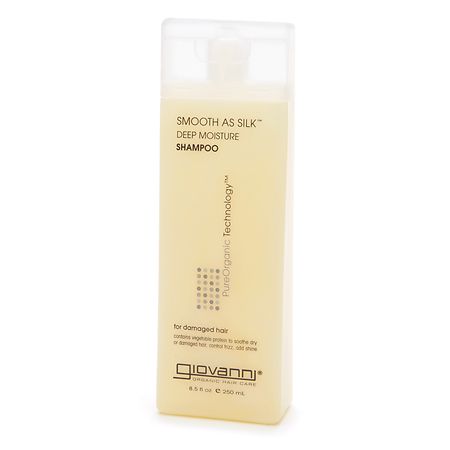
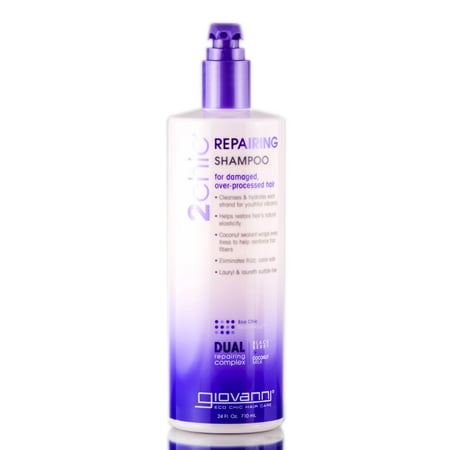
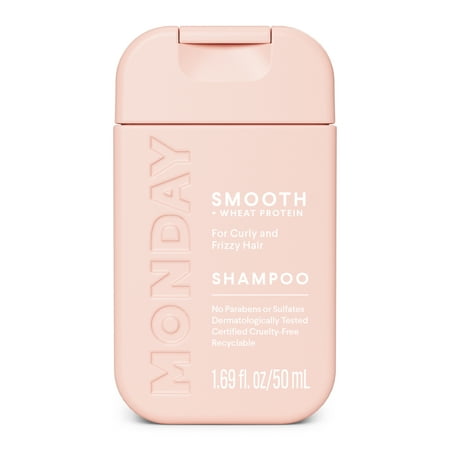


Giovanni Smooth as Silk Shampoo - 8.5 oz.
Analysis updated August 2026 · How Scout scores
At a glance
Summary
This shampoo features a range of gentle, coconut-derived surfactants and beneficial botanical extracts like aloe vera and apple fruit extract, which are known for their mildness and nourishing properties. However, the presence of phenoxyethanol as a preservative and a natural fragrance, which can sometimes be irritating, slightly detracts from its overall safety profile. Despite these minor concerns, the product remains largely clean and free from harsh sulfates, silicones, and parabens, making it a good choice for hair and scalp health.
Key ingredients 30
Lauryl GlucosideVery Good
Lauryl Glucoside is a non-ionic surfactant derived from glucose and coconut oil. It is known for its mildness and biodegradability.
Risks
There are no significant risks associated with this ingredient.
Benefits
It provides gentle cleansing and is suitable for sensitive skin and environmentally friendly formulations.
Sodium CocoamphoacetateGood
Sodium Cocoamphoacetate is a mild surfactant derived from coconut oil. It is used for its gentle cleansing and foaming properties.
Risks
Generally considered safe, but may cause mild irritation in very sensitive individuals.
Benefits
It is effective in cleansing the hair while being gentle on the scalp, making it suitable for sensitive skin.
Decyl GlucosideGood
Decyl Glucoside is a mild, non-ionic surfactant derived from glucose and coconut oil. It is known for its gentle cleansing properties and is biodegradable.
Risks
There are no significant risks associated with this ingredient.
Benefits
It is suitable for sensitive skin and helps to maintain the natural balance of the scalp.
Sodium Cocoyl GlutamateGood
Sodium Cocoyl Glutamate is a mild surfactant derived from coconut oil and glutamic acid. It is used for its gentle cleansing properties.
Risks
Generally considered safe, but may cause mild irritation in very sensitive individuals.
Benefits
It effectively cleanses the hair and scalp without causing dryness or irritation.
Sodium Lauryl Glucose CarboxylateGood
Sodium Lauryl Glucose Carboxylate is a mild surfactant derived from glucose and coconut oil. It is used for its gentle cleansing properties.
Risks
There are no significant risks associated with this ingredient.
Benefits
It provides effective cleansing while being gentle on the skin and hair.
GlycerinGood
Glycerin is a humectant that attracts moisture to the hair and scalp. It is derived from natural sources and is known for its hydrating properties.
Risks
There are no significant risks associated with glycerin.
Benefits
It helps to maintain moisture balance, leaving hair soft and hydrated.
Pyrus Malus (Apple) Fruit ExtractGood
Apple fruit extract is rich in antioxidants and vitamins. It is used for its nourishing and protective properties.
Risks
There are no significant risks associated with this ingredient.
Benefits
It helps to nourish the hair and protect it from environmental damage.
Aloe Barbadensis (Aloe Vera) Leaf JuiceGood
Aloe Vera is known for its soothing and hydrating properties. It is used to moisturize and calm the scalp.
Risks
There are no significant risks associated with aloe vera.
Benefits
It helps to soothe the scalp and provide moisture to the hair.
Chamomilla Recutita (Matricaria) Leaf ExtractGood
Chamomile extract is known for its calming and anti-inflammatory properties. It is used to soothe the scalp and enhance hair shine.
Risks
There are no significant risks associated with chamomile extract.
Benefits
It helps to calm the scalp and enhance the natural shine of the hair.
Citrus Aurantium Dulcis (Valencia Orange) ExtractGood
Valencia orange extract is rich in vitamin C and antioxidants. It is used for its refreshing and protective properties.
Risks
There are no significant risks associated with this ingredient.
Benefits
It helps to refresh the scalp and protect the hair from environmental damage.
Citrus Grandis (Grapefruit) Fruit ExtractGood
Grapefruit extract is rich in antioxidants and vitamins. It is used for its cleansing and refreshing properties.
Risks
There are no significant risks associated with this ingredient.
Benefits
It helps to cleanse the scalp and provide a refreshing sensation.
Cymbopogon Schoenanthus (Lemongrass) ExtractGood
Lemongrass extract is known for its antimicrobial and astringent properties. It is used to cleanse and tone the scalp.
Risks
There are no significant risks associated with lemongrass extract.
Benefits
It helps to cleanse the scalp and reduce excess oil.
Echinacea Purpurea ExtractGood
Echinacea extract is known for its immune-boosting and anti-inflammatory properties. It is used to soothe and protect the scalp.
Risks
There are no significant risks associated with echinacea extract.
Benefits
It helps to soothe the scalp and protect it from irritation.
Glycine Soja (Soybean) Seed ExtractGood
Soybean extract is rich in proteins and antioxidants. It is used to nourish and strengthen the hair.
Risks
There are no significant risks associated with soybean extract.
Benefits
It helps to strengthen the hair and improve its elasticity.
Lavandula Angustifolia (Lavender) ExtractGood
Lavender extract is known for its calming and soothing properties. It is used to relax the scalp and enhance hair health.
Risks
There are no significant risks associated with lavender extract.
Benefits
It helps to soothe the scalp and promote healthy hair growth.
Rosmarinus Officinalis (Rosemary) Leaf ExtractGood
Rosemary extract is known for its stimulating and antioxidant properties. It is used to invigorate the scalp and promote hair growth.
Risks
There are no significant risks associated with rosemary extract.
Benefits
It helps to stimulate the scalp and promote healthy hair growth.
Macrocystis Pyrifera (Sea Kelp) ExtractGood
Sea kelp extract is rich in minerals and vitamins. It is used to nourish and strengthen the hair.
Risks
There are no significant risks associated with sea kelp extract.
Benefits
It helps to strengthen the hair and improve its overall health.
Mangifera Indica (Mango) ExtractGood
Mango extract is rich in vitamins and antioxidants. It is used to nourish and protect the hair.
Risks
There are no significant risks associated with mango extract.
Benefits
It helps to nourish the hair and protect it from environmental damage.
Salix Alba (Willow Bark) ExtractGood
Willow bark extract is known for its anti-inflammatory and exfoliating properties. It is used to soothe the scalp and remove dead skin cells.
Risks
There are no significant risks associated with willow bark extract.
Benefits
It helps to soothe the scalp and promote a healthy scalp environment.
Panthenol (Pro-Vitamin B5)Good
Panthenol is known for its moisturizing and strengthening properties. It is used to improve the texture and health of the hair.
Risks
There are no significant risks associated with panthenol.
Benefits
It helps to moisturize the hair and improve its strength and elasticity.
Aqua (Purified Water)Neutral
Aqua is used as a solvent in the formulation of virtually every type of cosmetic and personal care product. It is neutral and does not provide any direct benefits or risks.
Risks
There are no known risks associated with purified water.
Benefits
It acts as a base for the formulation, allowing other ingredients to be dissolved and mixed.
Cocamidopropyl BetaineNeutral
Cocamidopropyl Betaine is a surfactant derived from coconut oil and dimethylaminopropylamine. It is used to increase the foaming capacity of cleansing products.
Risks
It can cause skin irritation or allergic reactions in some individuals.
Benefits
It helps to create a rich lather and enhances the cleansing properties of the shampoo.
Xanthan GumNeutral
Xanthan gum is used as a thickening agent in cosmetic formulations. It helps to stabilize and improve the texture of the product.
Risks
There are no significant risks associated with xanthan gum.
Benefits
It helps to improve the texture and consistency of the shampoo.
Glycol DistearateNeutral
Glycol distearate is used as an opacifying agent and emollient in cosmetic formulations. It helps to improve the appearance and feel of the product.
Risks
There are no significant risks associated with glycol distearate.
Benefits
It helps to improve the appearance and texture of the shampoo.
Citric AcidNeutral
Citric acid is used to adjust the pH of cosmetic formulations. It helps to maintain the stability and effectiveness of the product.
Risks
There are no significant risks associated with citric acid.
Benefits
It helps to maintain the pH balance of the shampoo, ensuring its effectiveness.
Polysorbate 20Neutral
Polysorbate 20 is used as an emulsifier and surfactant in cosmetic formulations. It helps to stabilize and improve the texture of the product.
Risks
There are no significant risks associated with polysorbate 20.
Benefits
It helps to improve the texture and consistency of the shampoo.
Natural FragranceNeutral
Natural fragrance is used to impart a pleasant scent to cosmetic products. It is derived from natural sources.
Risks
There is a potential for allergic reactions in sensitive individuals.
Benefits
It provides a pleasant scent to the product, enhancing the user experience.
Sodium Lauroyl SarcosinateBad
Processed additive flagged under Scout's ingredient doctrine.
Risks
In rare cases, it may cause mild irritation to sensitive skin.
Benefits
It effectively cleanses the hair and scalp without stripping natural oils, making it suitable for sensitive skin.
Potassium SorbateBad
Synthetic preservative — flagged in daily-use products.
Risks
There are no significant risks associated with potassium sorbate.
Benefits
It helps to preserve the product and ensure its safety and effectiveness.
PhenoxyethanolBad
Phenoxyethanol is used as a preservative in cosmetic formulations. It is effective in preventing the growth of bacteria and fungi.
Risks
It can cause skin irritation and allergic reactions in some individuals.
Benefits
It helps to preserve the product and ensure its safety and effectiveness.
Get the full breakdown in the Scout appTake Scout shopping
Scan any product to see lab results, healthy alternatives, and your personalized analysis.
Download on theApp Store GET IT ONGoogle PlayAmazon pricing & content
Amazon price as of . Product prices and availability are accurate as of the date/time indicated and are subject to change. Any price and availability information displayed on Amazon.com at the time of purchase will apply to the purchase of this product.
CERTAIN CONTENT THAT APPEARS ON THIS SITE COMES FROM AMAZON. THIS CONTENT IS PROVIDED “AS IS” AND IS SUBJECT TO CHANGE OR REMOVAL AT ANY TIME.