


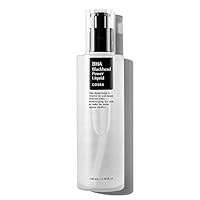
COSRX Low pH Good Morning Gel Cleanser
Analysis updated October 2026 · How Scout scores
At a glance
Summary
This cleanser contains a variety of beneficial botanical extracts and moisturizing agents, which contribute positively to skin health. However, the presence of synthetic ingredients like Polysorbate 20 and Disodium EDTA, which are common in processed skincare products, slightly lowers its rating. The product avoids harsh surfactants and major irritants, maintaining a balance between natural and synthetic components.
Key ingredients 25
Styrax Japonicus Branch/Fruit/Leaf ExtractGood
Styrax Japonicus Extract is a botanical ingredient with potential antioxidant properties. It may help in soothing and protecting the skin. It is valued for its natural origin and skin benefits.
Risks
There are minimal risks associated with this natural extract.
Benefits
It provides antioxidant benefits and may help in calming the skin.
Saccharomyces FermentGood
Saccharomyces Ferment is a yeast-derived ingredient known for its moisturizing and skin-conditioning properties. It may help in improving skin texture and appearance. It is often used in skincare for its beneficial effects.
Risks
There are minimal risks, but some individuals may experience sensitivity.
Benefits
It provides hydration and may improve skin elasticity and radiance.
Cryptomeria Japonica Leaf ExtractGood
Cryptomeria Japonica Leaf Extract is a botanical ingredient with potential antioxidant and soothing properties. It may help in protecting the skin from environmental stressors. It is valued for its natural origin and skin benefits.
Risks
There are minimal risks associated with this natural extract.
Benefits
It provides antioxidant benefits and may help in calming the skin.
Nelumbo Nucifera Leaf ExtractGood
Nelumbo Nucifera Leaf Extract is known for its antioxidant and soothing properties. It may help in protecting the skin and reducing inflammation. It is often used in skincare for its beneficial effects.
Risks
There are minimal risks, but some individuals may experience sensitivity.
Benefits
It provides antioxidant benefits and may help in calming and protecting the skin.
Pinus Palustris Leaf ExtractGood
Pinus Palustris Leaf Extract is a botanical ingredient with potential antioxidant properties. It may help in protecting the skin from environmental damage. It is valued for its natural origin and skin benefits.
Risks
There are minimal risks associated with this natural extract.
Benefits
It provides antioxidant benefits and may help in protecting the skin.
Ulmus Davidiana Root ExtractGood
Ulmus Davidiana Root Extract is known for its soothing and anti-inflammatory properties. It may help in calming irritated skin and reducing redness. It is often used in skincare for its beneficial effects.
Risks
There are minimal risks, but some individuals may experience sensitivity.
Benefits
It provides soothing benefits and may help in calming and protecting the skin.
Oenothera Biennis (Evening Primrose) Flower ExtractGood
Evening Primrose Flower Extract is known for its moisturizing and anti-inflammatory properties. It may help in soothing and hydrating the skin. It is often used in skincare for its beneficial effects.
Risks
There are minimal risks, but some individuals may experience sensitivity.
Benefits
It provides moisturizing benefits and may help in calming and protecting the skin.
Pueraria Lobata Root ExtractGood
Pueraria Lobata Root Extract is known for its antioxidant and anti-inflammatory properties. It may help in protecting the skin and reducing inflammation. It is often used in skincare for its beneficial effects.
Risks
There are minimal risks, but some individuals may experience sensitivity.
Benefits
It provides antioxidant benefits and may help in calming and protecting the skin.
Melaleuca Alternifolia (Tea Tree) Leaf OilGood
Tea Tree Leaf Oil is known for its antimicrobial and anti-inflammatory properties. It may help in treating acne and soothing irritated skin. It is often used in skincare for its beneficial effects.
Risks
Some individuals may experience skin irritation or allergic reactions.
Benefits
It provides antimicrobial benefits and may help in treating acne-prone skin.
AllantoinGood
Allantoin is known for its soothing and skin-conditioning properties. It may help in calming irritated skin and promoting healing. It is often used in skincare for its beneficial effects.
Risks
There are minimal risks, but some individuals may experience sensitivity.
Benefits
It provides soothing benefits and may help in calming and protecting the skin.
Betaine SalicylateGood
Betaine Salicylate is a gentle exfoliant and skin-conditioning agent. It may help in improving skin texture and reducing acne. It is often used in skincare for its beneficial effects.
Risks
There are minimal risks, but some individuals may experience sensitivity.
Benefits
It provides exfoliating benefits and may help in improving skin clarity.
WaterNeutral
Water is a common solvent used in cosmetics to dissolve other ingredients. It helps in forming the base of the product. It does not have any direct benefits or risks.
Risks
There are no significant risks associated with water in cosmetics.
Benefits
Water helps in hydrating the skin by providing moisture.
Cocamidopropyl BetaineNeutral
Cocamidopropyl Betaine is a mild surfactant derived from coconut oil. It is used to create foam and cleanse the skin. It is generally considered safe for use in cosmetics.
Risks
Some individuals may experience skin irritation or allergic reactions.
Benefits
It helps in cleansing the skin without stripping natural oils.
Sodium Lauroyl Methyl IsethionateNeutral
Sodium Lauroyl Methyl Isethionate is a mild surfactant that provides gentle cleansing. It is known for being less irritating than traditional sulfates. It is often used in products for sensitive skin.
Risks
There are minimal risks, but some individuals may experience mild irritation.
Benefits
It provides effective cleansing while being gentle on the skin.
Sodium ChlorideNeutral
Sodium Chloride, or table salt, is used to thicken the consistency of cosmetic products. It is generally safe and non-irritating. It does not provide direct skin benefits.
Risks
In high concentrations, it may cause dryness or irritation.
Benefits
It helps in improving the texture and viscosity of the product.
Polysorbate 20Neutral
Polysorbate 20 is an emulsifier that helps mix oil and water-based ingredients. It is commonly used in cosmetics to stabilize formulations. It is considered safe for use in personal care products.
Risks
There is a low risk of skin irritation in sensitive individuals.
Benefits
It helps in maintaining the stability and consistency of the product.
Butylene GlycolNeutral
Butylene Glycol is a common humectant used to retain moisture in the skin. It also helps in improving the texture of the product. It is generally considered safe for use in cosmetics.
Risks
Some individuals may experience mild irritation or allergic reactions.
Benefits
It helps in keeping the skin hydrated and enhances product spreadability.
Caprylyl GlycolNeutral
Caprylyl Glycol is a skin-conditioning agent and preservative. It helps in maintaining the moisture balance of the skin. It is generally considered safe for use in cosmetics.
Risks
There are minimal risks, but some individuals may experience sensitivity.
Benefits
It helps in keeping the skin hydrated and enhances product preservation.
EthylhexylglycerinNeutral
Ethylhexylglycerin is a preservative and skin-conditioning agent. It helps in enhancing the efficacy of other preservatives. It is generally considered safe for use in cosmetics.
Risks
There are minimal risks, but some individuals may experience sensitivity.
Benefits
It helps in preserving the product and maintaining skin moisture.
Citric AcidNeutral
Citric Acid is used to adjust the pH of cosmetic products. It also acts as a mild exfoliant. It is generally considered safe for use in cosmetics.
Risks
In high concentrations, it may cause skin irritation.
Benefits
It helps in maintaining the pH balance of the product and provides mild exfoliation.
Ethyl HexanediolNeutral
Ethyl Hexanediol is a solvent and skin-conditioning agent. It helps in improving the texture and spreadability of the product. It is generally considered safe for use in cosmetics.
Risks
There are minimal risks, but some individuals may experience sensitivity.
Benefits
It helps in enhancing product texture and maintaining skin moisture.
1,2-HexanediolNeutral
1,2-Hexanediol is a solvent and preservative. It helps in maintaining the stability and efficacy of the product. It is generally considered safe for use in cosmetics.
Risks
There are minimal risks, but some individuals may experience sensitivity.
Benefits
It helps in preserving the product and enhancing its stability.
Trisodium Ethylenediamine DisuccinateNeutral
Trisodium Ethylenediamine Disuccinate is a chelating agent used to improve product stability. It helps in preventing the degradation of the product. It is generally considered safe for use in cosmetics.
Risks
There are minimal risks associated with this ingredient.
Benefits
It helps in maintaining the stability and efficacy of the product.
Sodium BenzoateBad
Synthetic preservative that can form benzene in the presence of vitamin C.
Risks
There are minimal risks, but some individuals may experience sensitivity.
Benefits
It helps in preserving the product and preventing spoilage.
Disodium EDTABad
Processed additive flagged under Scout's ingredient doctrine.
Risks
There are minimal risks associated with this ingredient.
Benefits
It helps in maintaining the stability and efficacy of the product.
Get the full breakdown in the Scout appTake Scout shopping
Scan any product to see lab results, healthy alternatives, and your personalized analysis.
Download on theApp Store GET IT ONGoogle PlayAmazon pricing & content
Amazon price as of . Product prices and availability are accurate as of the date/time indicated and are subject to change. Any price and availability information displayed on Amazon.com at the time of purchase will apply to the purchase of this product.
CERTAIN CONTENT THAT APPEARS ON THIS SITE COMES FROM AMAZON. THIS CONTENT IS PROVIDED “AS IS” AND IS SUBJECT TO CHANGE OR REMOVAL AT ANY TIME.