


At a glance
Summary
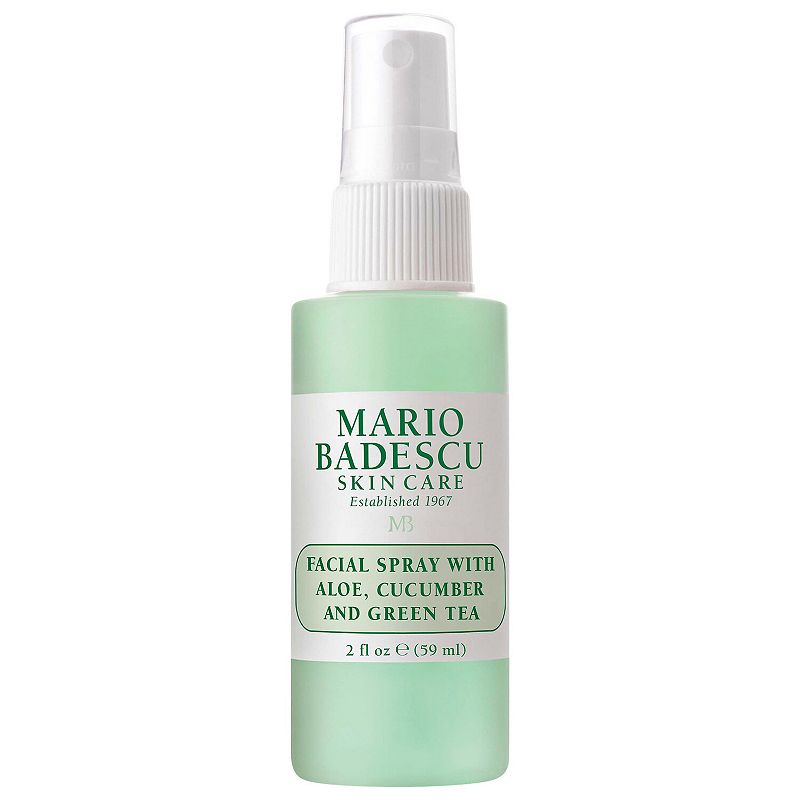
This product contains organic aloe vera concentrate, which is beneficial for skin hydration and soothing. However, the presence of sodium benzoate as a preservative is a concern due to its potential to form benzene, a carcinogen, under certain conditions. The inclusion of preservatives like citric acid and potassium sorbate indicates a moderate level of processing, which affects the overall score.
Key ingredients 4
Organic Aloe Vera Concentrate (Leaf)Very Good
Aloe Vera is a well-known botanical with soothing and moisturizing properties, making it beneficial for skin care. It is rich in vitamins, enzymes, and amino acids that help to hydrate and calm irritated skin.
Risks
There are minimal risks associated with Aloe Vera, though some individuals may experience allergic reactions.
Benefits
Aloe Vera is highly beneficial for its anti-inflammatory and skin-healing properties, promoting skin hydration and reducing redness.
Citric AcidNeutral
Citric Acid is commonly used in cosmetics as a pH adjuster and preservative. It can help to exfoliate the skin by breaking down dead skin cells.
Risks
In high concentrations, Citric Acid can cause skin irritation or sensitivity, especially in sensitive skin types.
Benefits
It helps to maintain the stability and effectiveness of the product by adjusting the pH and providing mild exfoliation.
Potassium SorbateBad
Synthetic preservative — flagged in daily-use products.
Risks
Some individuals may experience mild skin irritation or allergic reactions, though it is generally considered safe.
Benefits
It extends the shelf life of the product by inhibiting microbial growth, ensuring product safety and longevity.
Sodium BenzoateBad
Sodium Benzoate is a preservative that prevents microbial growth in cosmetic products. However, it can form benzene, a known carcinogen, when combined with Vitamin C under certain conditions.
Risks
The potential formation of benzene is a significant concern, especially if the product is exposed to heat or light.
Benefits
It effectively preserves the product by preventing the growth of bacteria and fungi, ensuring product safety.
Processing
Processed Foods
Get the full breakdown in the Scout appTake Scout shopping
Scan any product to see lab results, healthy alternatives, and your personalized analysis.
Download on theApp Store GET IT ONGoogle Play