


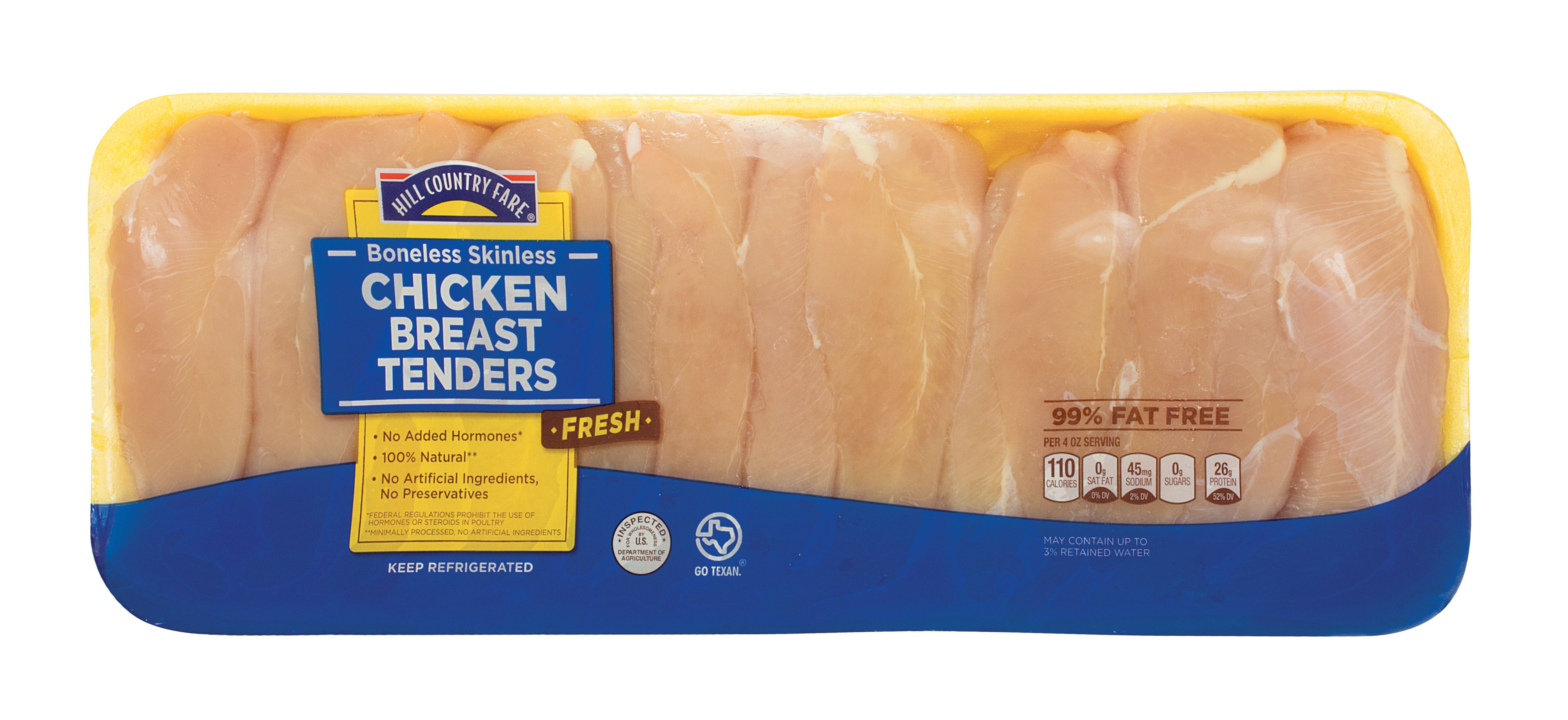


Bell & Evans Breaded Chicken Breast Tenders
Analysis updated July 2026 · How Scout scores
At a glance
Summary
The product contains high-quality chicken breast meat, which is a good source of lean protein. However, it is flash fried in soybean oil, a seed oil that is highly processed and can promote inflammation. The presence of soybean oil and the processing level of the product limit its healthiness despite the use of some beneficial ingredients like sea salt.
Key ingredients 9
Chicken breast meat tendersGood
Chicken breast is a high-quality source of lean protein, essential for muscle growth and repair. It is minimally processed and provides a rich amino acid profile. Compared to plant-based proteins, it offers better absorption and bioavailability.
Benefits
Rich in protein, which is essential for muscle maintenance and overall health. Provides important nutrients like B vitamins and selenium.
Sea saltGood
Sea salt is a natural source of sodium and trace minerals, used to enhance flavor. It is less processed than table salt and retains beneficial minerals. Its use in moderation can support electrolyte balance.
Risks
Excessive consumption of salt can lead to high blood pressure and cardiovascular issues.
Benefits
Provides essential minerals and helps maintain fluid balance in the body.
SpicesGood
Whole-food seasonings, antioxidant-bearing.
Benefits
May provide antioxidant properties and enhance flavor without adding calories.
PaprikaGood
Beneficial ingredient — whole-food or functional value in this product class.
Benefits
Provides antioxidants and enhances flavor and color in food.
WaterNeutral
Water is used as a processing aid and does not contribute nutritional value. It is a common ingredient in many food products to maintain moisture. There are no health concerns associated with its use in food products.
See more about Water →Unbleached wheat flourNeutral
Unbleached wheat flour is a staple ingredient in breading, providing structure and texture. It is less processed than bleached flour, retaining more nutrients. However, it is a refined carbohydrate with limited nutritional benefits.
Risks
May pose a risk for individuals with gluten intolerance or celiac disease.
Benefits
Provides carbohydrates for energy but lacks significant nutritional benefits.
Evaporated cane juiceNeutral
Evaporated cane juice is a less refined form of sugar, used as a sweetener. It retains some molasses content, providing minimal additional nutrients compared to refined sugar. It is still a source of added sugars, which should be consumed in moderation.
Risks
Excessive consumption of added sugars can lead to weight gain and metabolic issues.
Benefits
Provides a slight mineral content compared to refined sugar but should be consumed sparingly.
Dried yeastNeutral
Dried yeast is used as a leavening agent in breading, contributing to texture and flavor. It is a natural ingredient with no significant health concerns. It provides some B vitamins and minerals but in small amounts.
Benefits
Contributes to the leavening process and provides minor nutritional benefits.
Soybean oilVery Bad
Soybean oil is a seed oil high in omega-6 fatty acids, which can promote inflammation when consumed in excess. It is highly processed and often extracted using chemical solvents. Compared to healthier oils like olive or avocado oil, it is less beneficial.
Risks
High omega-6 content may promote inflammation and contribute to chronic diseases when consumed in excess.
Processing
Processed Foods
Get the full breakdown in the Scout appTake Scout shopping
Scan any product to see lab results, healthy alternatives, and your personalized analysis.
Download on theApp Store GET IT ONGoogle PlayAmazon pricing & content
CERTAIN CONTENT THAT APPEARS ON THIS SITE COMES FROM AMAZON. THIS CONTENT IS PROVIDED “AS IS” AND IS SUBJECT TO CHANGE OR REMOVAL AT ANY TIME.