

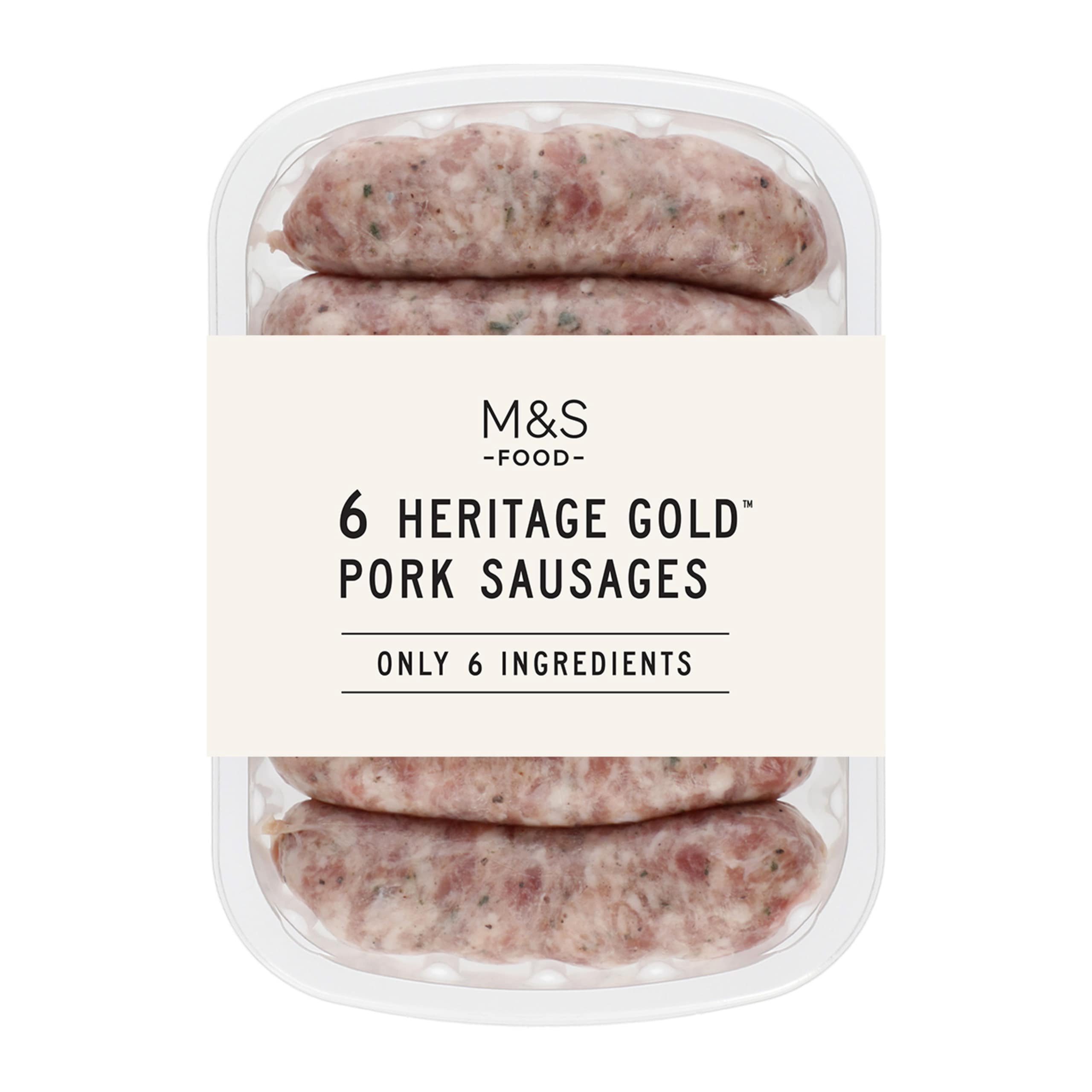
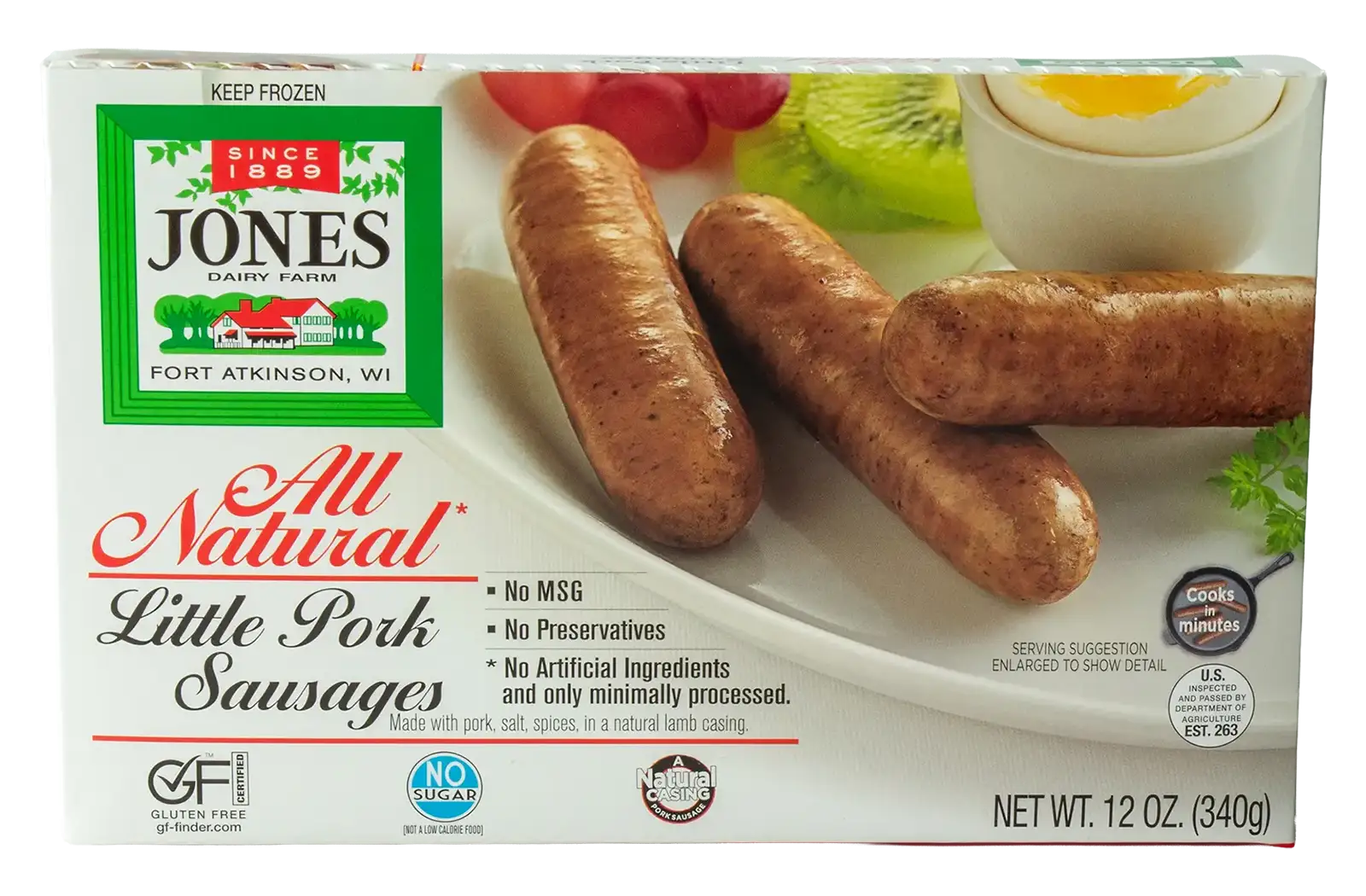


Deluxe Our Ultimate 4 Traditional Pork Sausages
Analysis updated September 2026 · How Scout scores
At a glance
Summary
This product is processed and contains ingredients like dextrose and sugar, which can contribute to increased blood sugar levels and other health issues when consumed in excess. The presence of 'natural flavors' also raises concerns due to the lack of transparency in their composition. Despite these issues, the product does provide a decent protein content, but the processing level and added sugars limit its healthfulness.
Key ingredients 9
SpicesGood
Whole-food seasonings, antioxidant-bearing.
Risks
Potential for allergic reactions in sensitive individuals.
Benefits
May offer antioxidant and anti-inflammatory benefits depending on the specific spices used.
PorkNeutral
Pork is a source of protein and essential nutrients. The quality can vary based on the animal's diet and living conditions. It is important to consider the fat content and potential additives in processed pork products.
Risks
Processed pork can contain high levels of sodium and saturated fats, which may contribute to cardiovascular issues if consumed in excess.
Benefits
Pork provides protein and essential vitamins and minerals such as thiamine, selenium, and zinc.
WaterNeutral
Water is used as a filler and to maintain moisture in processed foods. It is a neutral ingredient with no direct health impact. Its presence helps in the texture and consistency of the product.
See more about Water →Sodium LactateNeutral
Sodium lactate is used as a preservative and to enhance flavor. It is generally recognized as safe when used in moderation. It helps to extend the shelf life of the product.
Risks
Excessive consumption may lead to an imbalance in sodium levels, potentially affecting blood pressure.
Benefits
Helps maintain product freshness and safety by inhibiting bacterial growth.
SaltNeutral
Salt is used for flavor enhancement and preservation. It is a common ingredient in processed foods. While necessary for bodily functions, excessive intake can lead to health issues.
Risks
High sodium intake is associated with increased risk of hypertension and cardiovascular diseases.
Benefits
Essential for maintaining fluid balance and nerve function in the body.
OleoresinNeutral
Oleoresin is a concentrated extract used for flavoring. It is derived from natural sources and can provide intense flavor. The health impact depends on the source and concentration used.
Benefits
Provides concentrated flavor without the need for artificial additives.
DextroseBad
Dextrose is a simple sugar used as a sweetener and preservative. It can contribute to increased blood sugar levels. Overconsumption of simple sugars is linked to metabolic disorders.
Risks
May contribute to obesity, insulin resistance, and type 2 diabetes when consumed in excess.
Benefits
Provides quick energy but lacks nutritional benefits beyond caloric content.
SugarBad
Sugar is used to enhance flavor but offers no essential nutrients. It is associated with various health issues when consumed in large amounts. Excessive sugar intake is linked to obesity and dental problems.
Risks
High sugar consumption can lead to weight gain, increased risk of heart disease, and tooth decay.
Benefits
Provides energy but lacks essential nutrients.
Natural FlavorsBad
Natural flavors are used to enhance taste but lack transparency in their composition. They can contain a variety of compounds, some of which may not be beneficial. The term 'natural' does not guarantee health benefits.
Risks
Potential allergens or sensitivities may be present, and the lack of transparency can be concerning for some consumers.
Processing
Processed Foods
Get the full breakdown in the Scout appTake Scout shopping
Scan any product to see lab results, healthy alternatives, and your personalized analysis.
Download on theApp Store GET IT ONGoogle Play