
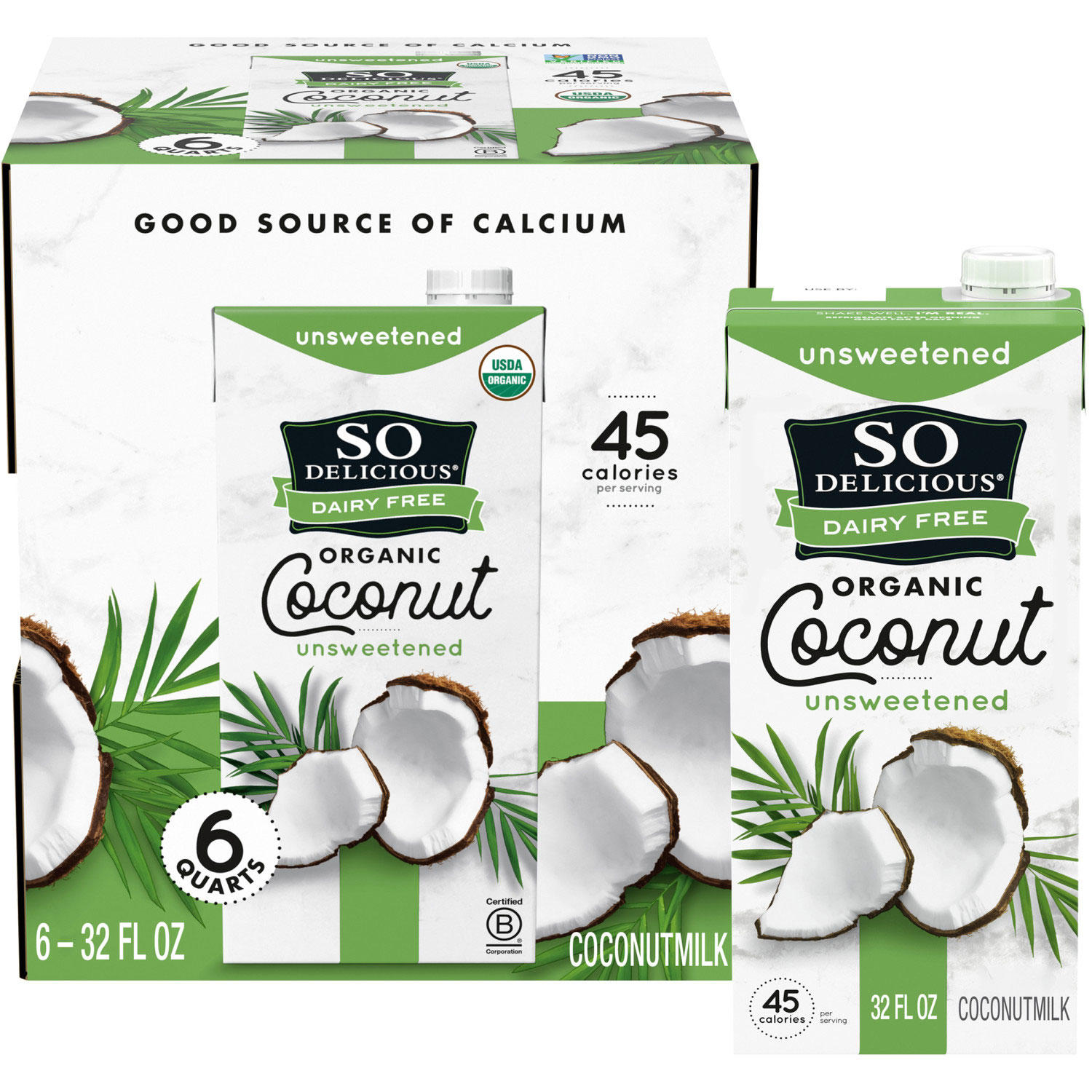


COCONUT MILK BEVERAGE
Summary
This coconut milk beverage is fortified with beneficial vitamins and minerals, such as calcium, magnesium, and vitamin D2, which enhance its nutritional profile. However, it is classified as highly processed due to the presence of multiple additives like guar gum and xanthan gum, which are used to improve texture and stability. Despite its organic certification and absence of harmful ingredients like seed oils or artificial sweeteners, the high processing level limits its overall health score.
At a glance
Key ingredients 11
Organic Coconut MilkVery Good
Organic coconut milk is a natural source of healthy fats and provides a creamy texture to beverages. The organic certification ensures minimal pesticide use and better environmental practices. It is a good alternative for those avoiding dairy.
Benefits
Rich in medium-chain triglycerides (MCTs) that may support metabolism and energy levels.
Calcium PhosphateGood
Calcium phosphate is used to fortify beverages with calcium, essential for bone health. It is a common additive in plant-based milks to mimic the calcium content of dairy milk. It is generally recognized as safe when consumed in typical amounts.
Risks
Excessive intake may lead to imbalances in mineral absorption.
Benefits
Provides a source of calcium, supporting bone density and health.
Magnesium PhosphateGood
Magnesium phosphate is added to enhance the magnesium content, which is vital for muscle and nerve function. It helps in maintaining electrolyte balance and is beneficial for heart health. It is a safe and effective way to supplement magnesium in the diet.
Risks
High doses may cause gastrointestinal discomfort.
Benefits
Supports muscle function and energy production.
Vitamin A AcetateGood
Vitamin A acetate is a form of vitamin A used to fortify foods, supporting vision and immune function. It is stable and effective in maintaining vitamin A levels in the body. It is particularly important for skin health and vision.
Risks
Excessive intake can lead to toxicity, but this is rare with normal consumption.
Benefits
Essential for maintaining healthy vision and immune system function.
Vitamin D2Good
Vitamin D2 is a plant-derived form of vitamin D used to fortify foods, supporting bone health and calcium absorption. It is particularly important for individuals with limited sun exposure. It helps maintain healthy bones and teeth.
Risks
Overconsumption can lead to hypercalcemia, but this is uncommon with typical dietary intake.
Benefits
Enhances calcium absorption and supports bone health.
L-SelenomethionineGood
L-selenomethionine is a bioavailable form of selenium, an essential trace mineral with antioxidant properties. It supports thyroid function and protects cells from oxidative damage. It is a preferred form of selenium due to its high absorption rate.
Risks
Excessive selenium intake can lead to toxicity, but this is rare with normal consumption.
Benefits
Provides antioxidant protection and supports thyroid health.
Zinc OxideGood
Zinc oxide is used to fortify foods with zinc, essential for immune function and wound healing. It is a common and effective way to supplement zinc in the diet. It supports numerous enzymatic reactions in the body.
Risks
High doses can interfere with copper absorption and cause gastrointestinal issues.
Benefits
Supports immune function and skin health.
Folic AcidGood
Folic acid is a synthetic form of folate used to fortify foods, crucial for DNA synthesis and cell division. It is particularly important during pregnancy to prevent neural tube defects. It is well-absorbed and effective in preventing folate deficiency.
Risks
Excessive intake can mask vitamin B12 deficiency.
Benefits
Supports cell growth and development, especially important during pregnancy.
Vitamin B12Good
Vitamin B12 is essential for nerve function and the production of red blood cells. It is often added to plant-based products to compensate for the lack of natural B12 sources. It is crucial for maintaining energy levels and neurological health.
Benefits
Supports energy metabolism and neurological function.
Organic Guar GumNeutral
Organic guar gum is a natural thickening agent used to improve texture and stability in beverages. The organic certification indicates minimal pesticide use. It is generally recognized as safe when consumed in typical amounts.
Risks
Excessive consumption may cause digestive discomfort.
Xanthan GumNeutral
Xanthan gum is a common food additive used to stabilize and thicken products. It is produced through fermentation and is widely used in the food industry. It is considered safe for consumption in typical amounts.
Risks
May cause digestive issues in sensitive individuals when consumed in large amounts.
Processing
Ultra-Processed Foods
Get the full breakdown in the Scout app
Scan any product to see lab results, healthy alternatives, and your personalized analysis.
Download on theApp Store