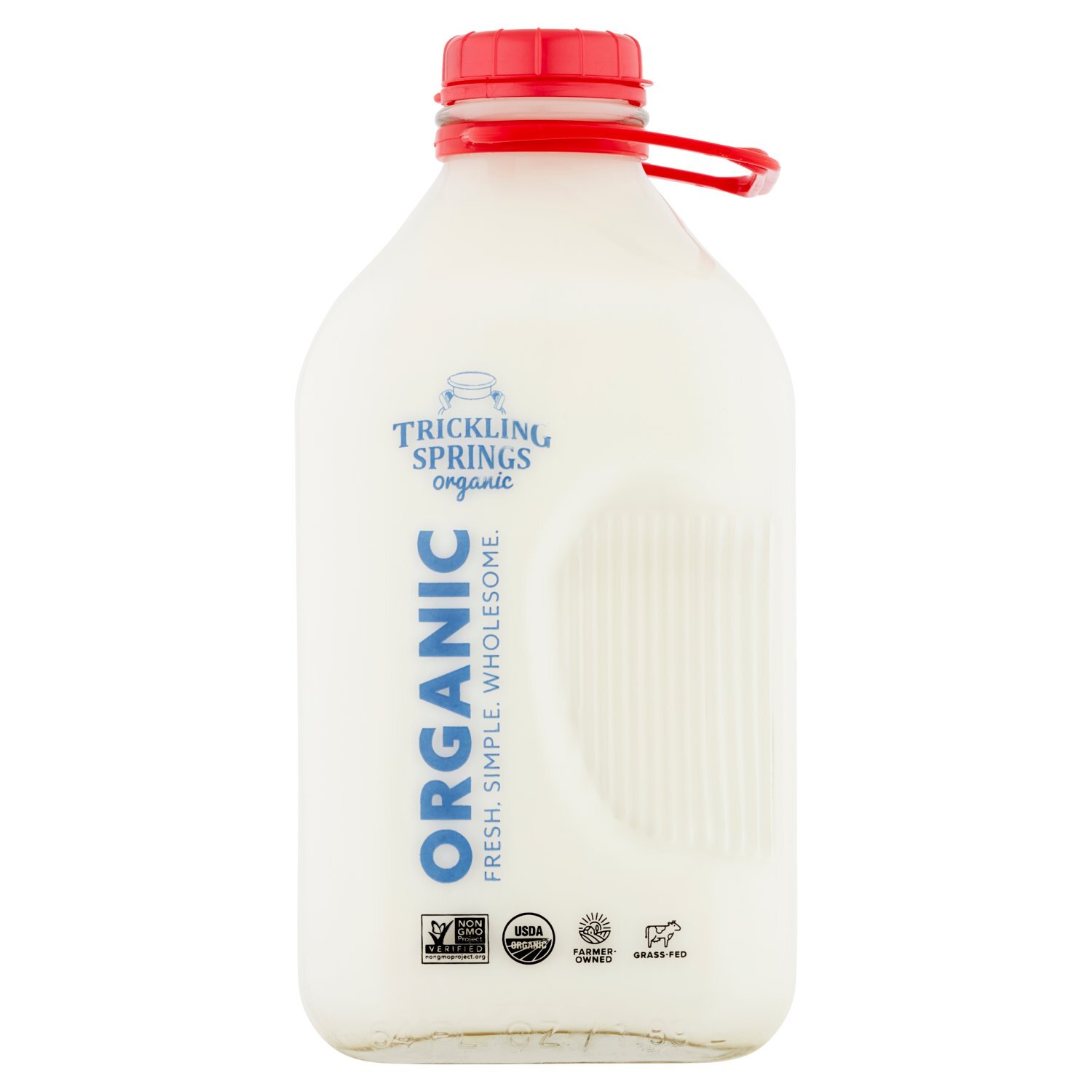
Whole Milk

At a glance
Summary
Whole Milk is a minimally processed product that provides essential nutrients such as high-quality protein, healthy fats, and vitamins. The addition of Vitamin A Palmitate and Vitamin D3 enhances its nutritional profile, supporting vision, bone health, and immune function. Being free from artificial additives and hormones, it maintains a clean label and high nutritional value. Its plastic packaging can shed microplastics into the food and lowers its score.
Key ingredients 4
Grade A Whole MilkVery Good
Whole milk is a minimally processed, nutrient-rich food providing essential vitamins and minerals. It contains high-quality protein and healthy fats that support growth and development. The presence of natural enzymes and beneficial bacteria enhances its nutritional profile.
Risks
Some individuals may be lactose intolerant, which can cause digestive discomfort.
Benefits
Rich in calcium and vitamin D, which are crucial for bone health. Provides a good source of high-quality protein and healthy fats.
Vitamin D3Good
Vitamin D3 is added to milk to aid in calcium absorption and bone health. It is crucial for maintaining healthy bones and immune function. Fortification helps prevent vitamin D deficiency, especially in regions with limited sunlight exposure.
Benefits
Enhances calcium absorption and supports bone health. Plays a role in immune system regulation.
Vitamin A PalmitateNeutral
Standard formulation ingredient — neither beneficial nor harmful at typical use.
Risks
Excessive intake of vitamin A can lead to toxicity, but this is unlikely from fortified foods alone.
Benefits
Essential for maintaining healthy vision and immune function. Supports skin health and cellular growth.
RBST hormone free milkNeutral
RBST hormone free milk indicates that the milk is produced without the use of recombinant bovine somatotropin, a synthetic hormone. This is a quality indicator for consumers concerned about hormone use in dairy production. The absence of RBST does not significantly alter the nutritional profile of the milk.
Benefits
Provides reassurance to consumers seeking hormone-free dairy products.
Processing
Unprocessed or Minimally Processed Foods
Get the full breakdown in the Scout appTake Scout shopping
Scan any product to see lab results, healthy alternatives, and your personalized analysis.