
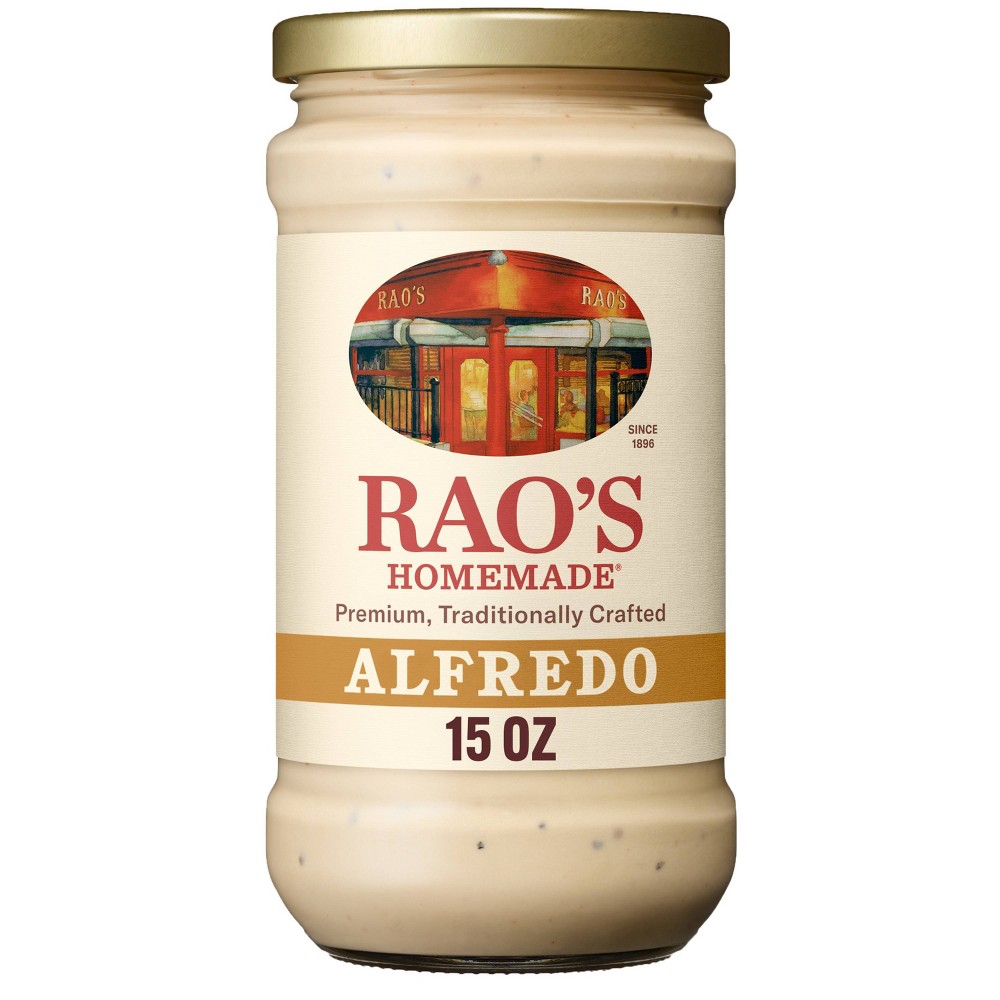

Rao's Homemade ALFREDO SAUCE
Analysis updated August 2026 · How Scout scores
At a glance
Summary
Rao's Homemade Alfredo Sauce contains high-quality ingredients like light cream, butter, and Parmesan cheese, which contribute to its nutritional value. However, the presence of additives such as disodium phosphate and xanthan gum, along with its classification as an ultra-processed product, limits its health score. The sauce's processing level and use of synthetic stabilizers are key factors in its rating.
Key ingredients 10
Light CreamGood
Light cream is a source of high-quality dairy fat and protein. It provides essential nutrients like calcium and vitamin D. The use of cream and milk indicates a less processed form of dairy.
Risks
Potential risks include lactose intolerance for sensitive individuals.
Benefits
Provides a rich source of calcium and vitamin D, supporting bone health.
ButterGood
Butter is a natural source of saturated fats and fat-soluble vitamins. It is minimally processed and provides a rich flavor. The presence of natural flavorings suggests no artificial additives.
Risks
High in saturated fats, which should be consumed in moderation.
Benefits
Contains fat-soluble vitamins like A, D, E, and K, supporting various bodily functions.
Parmesan and Romano CheeseGood
These cheeses are rich in protein and calcium, essential for bone health. They are made from pasteurized milk, ensuring safety and quality. The use of cheese cultures and enzymes indicates traditional cheese-making processes.
Risks
May contain lactose, which can be problematic for those with lactose intolerance.
Benefits
High in protein and calcium, supporting muscle and bone health.
Sea SaltGood
Sea salt is a natural source of sodium and trace minerals. It is less processed compared to table salt. The use of sea salt indicates a preference for natural ingredients.
Risks
Excessive sodium intake can lead to hypertension and cardiovascular issues.
Benefits
Contains trace minerals that support electrolyte balance and hydration.
Black PepperGood
Beneficial ingredient — whole-food or functional value in this product class.
Benefits
Contains piperine, which may enhance nutrient absorption.
White PepperGood
Beneficial ingredient — whole-food or functional value in this product class.
Benefits
May aid in digestion and enhance flavor.
Enzyme Modified Egg YolkNeutral
Enzyme modified egg yolk is used as an emulsifier and flavor enhancer. It is a processed ingredient but derived from natural sources. The modification process enhances its functional properties in food applications.
Risks
May pose allergy risks for individuals sensitive to eggs.
Benefits
Provides emulsification properties, improving texture and consistency.
Xanthan GumNeutral
Xanthan gum is a common food additive used as a thickener and stabilizer. It is produced through fermentation of sugars by bacteria. This ingredient helps maintain the desired texture and consistency of the sauce.
Risks
May cause digestive discomfort in some individuals when consumed in large amounts.
Benefits
Enhances texture and stability of the sauce.
Modified Food StarchBad
Chemically modified starch additive.
Risks
May cause digestive issues in sensitive individuals.
Benefits
Improves texture and consistency of the sauce.
Disodium PhosphateBad
Disodium phosphate is an additive used to stabilize and emulsify foods. It is a synthetic ingredient with potential health concerns. Its use in processed foods is common but not ideal for health-conscious consumers.
Risks
Excessive intake may lead to imbalances in phosphate levels, affecting bone health.
Processing
Ultra-Processed Foods
Get the full breakdown in the Scout appTake Scout shopping
Scan any product to see lab results, healthy alternatives, and your personalized analysis.
Download on theApp Store GET IT ONGoogle PlayAmazon pricing & content
Amazon price as of . Product prices and availability are accurate as of the date/time indicated and are subject to change. Any price and availability information displayed on Amazon.com at the time of purchase will apply to the purchase of this product.
CERTAIN CONTENT THAT APPEARS ON THIS SITE COMES FROM AMAZON. THIS CONTENT IS PROVIDED “AS IS” AND IS SUBJECT TO CHANGE OR REMOVAL AT ANY TIME.