


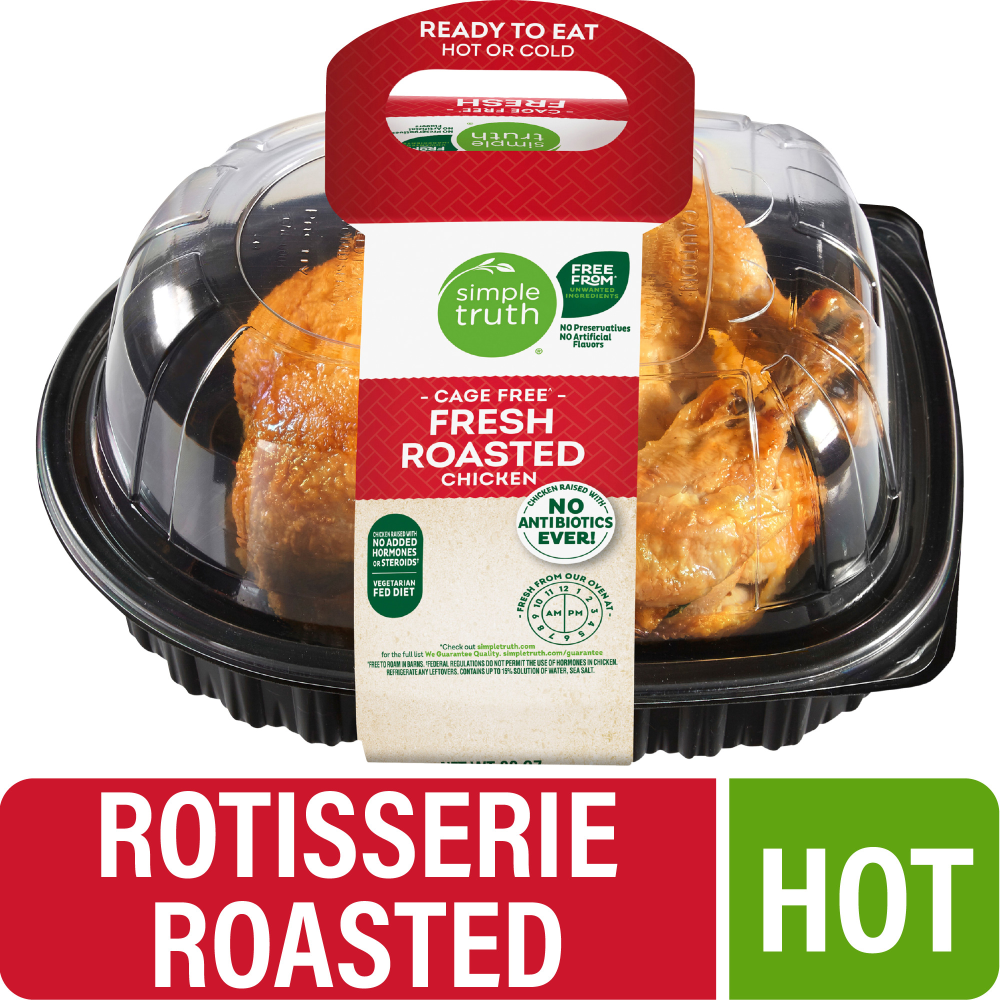

Restaurant Style Chicken Bites
Analysis updated August 2026 · How Scout scores
At a glance
Summary
This product contains high-quality chicken breast as its primary ingredient, providing a good source of lean protein. However, it is processed with added ingredients like wheat flour, corn starch, and sugar, which contribute to its processing level. The presence of refined sugar and starches, along with the processed nature of the product, limits its score despite the inclusion of beneficial ingredients like granulated garlic and sea salt.
Key ingredients 9
Boneless Skinless Chicken BreastGood
Chicken breast is a high-quality source of lean protein. It provides essential amino acids necessary for muscle growth and repair. As a minimally processed meat, it offers a rich nutrient profile compared to processed alternatives.
Benefits
Rich in protein and low in fat, supporting muscle maintenance and overall health.
Granulated GarlicGood
Granulated garlic adds flavor and potential health benefits due to its bioactive compounds. It may support immune function and cardiovascular health. As a natural seasoning, it enhances taste without significant calories.
Benefits
Contains antioxidants and compounds that may support heart health and immune function.
Sea SaltGood
Sea salt is a natural source of sodium and trace minerals. It is less processed than table salt and retains beneficial minerals. Used in moderation, it can enhance flavor without excessive sodium intake.
Risks
Excessive consumption can lead to high blood pressure and related health issues.
Benefits
Provides trace minerals and enhances flavor with less processing than refined salt.
WaterNeutral
Water is used as a processing aid and does not contribute nutritional value. It is essential for maintaining moisture in the product. As a neutral ingredient, it poses no health risks or benefits.
See more about Water →Corn StarchNeutral
Corn starch is used as a thickening agent and provides texture. It is a refined carbohydrate with minimal nutritional value. While it is generally safe, it offers no significant health benefits.
See more about Corn Starch →SaltNeutral
Salt is used for flavor enhancement and preservation. While necessary in small amounts, excessive consumption can lead to hypertension. It is a common culinary ingredient with no additional health benefits.
Risks
High sodium intake is linked to increased blood pressure and cardiovascular risk.
Benefits
Essential for maintaining electrolyte balance but should be consumed in moderation.
Food StarchNeutral
Food starch is used as a thickening agent and stabilizer. It is a processed carbohydrate with minimal nutritional value. It is generally safe but offers no significant health benefits.
See more about Food Starch →Wheat FlourBad
Refined grain flour stripped of bran and germ.
Risks
May cause adverse reactions in individuals with gluten intolerance or celiac disease.
Benefits
Provides carbohydrates for energy but lacks significant nutritional benefits compared to whole grains.
SugarBad
Refined sugar is associated with increased risk of metabolic disorders when consumed in excess. It provides empty calories without essential nutrients. Regular consumption can lead to weight gain and increased risk of chronic diseases.
Risks
Excessive intake can contribute to obesity, type 2 diabetes, and heart disease.
Processing
Processed Foods
Get the full breakdown in the Scout appTake Scout shopping
Scan any product to see lab results, healthy alternatives, and your personalized analysis.
Download on theApp Store GET IT ONGoogle Play