

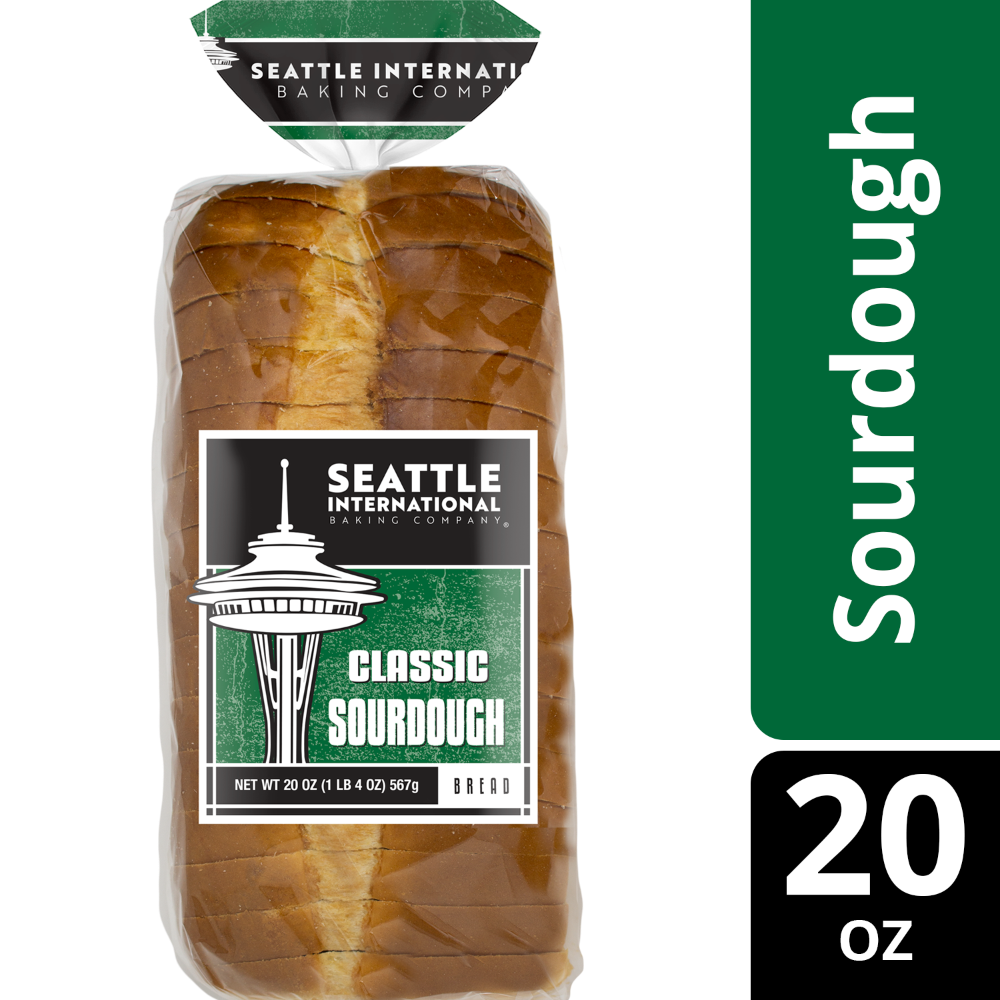
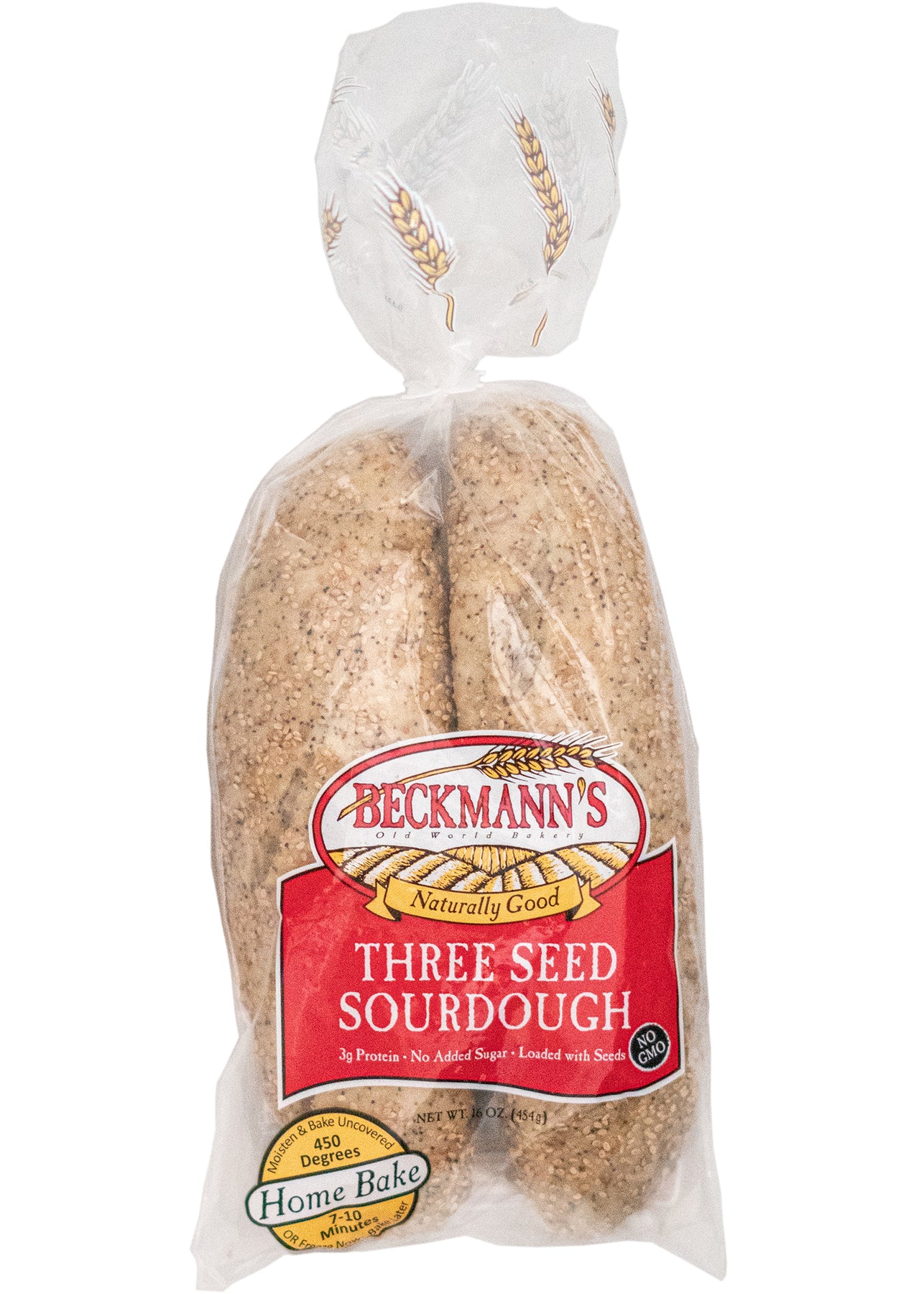


SOURDOUGH BREAD
Summary
This sourdough bread is made with enriched white flour and includes beneficial ingredients like honey, wheat bran, and yogurt, which contribute to its nutritional profile. However, it is classified as ultra-processed due to the use of refined flour and the presence of additives, which limits its overall healthiness. The processing level and the presence of refined ingredients prevent it from achieving a higher score despite some positive aspects.
At a glance
Key ingredients 10
Unbleached unbromated enriched white flourNeutral
This flour is enriched with vitamins and minerals, which can help replenish nutrients lost during processing. It is unbleached and unbromated, indicating fewer chemical treatments compared to standard white flour. However, it is still a refined flour, lacking the fiber and nutrients found in whole grain alternatives.
Risks
Refined flour can contribute to blood sugar spikes and lacks the fiber of whole grains.
Benefits
Enrichment adds back some nutrients like iron and B vitamins, which are beneficial for health.
WaterNeutral
Water is a fundamental ingredient in bread making, providing moisture and aiding in the activation of yeast. It is essential for the dough's consistency and texture. There are no health concerns associated with water in this context.
Benefits
Essential for hydration and dough formation, contributing to the bread's texture.
HoneyGood
Honey is a natural sweetener that provides a unique flavor and some antioxidants. It is less processed than refined sugars and can offer trace nutrients. Its use in moderation is generally considered healthier than refined sugar.
Risks
Excessive consumption can lead to increased calorie intake and potential blood sugar spikes.
Benefits
Contains antioxidants and has a lower glycemic index than refined sugar, offering a more natural sweetness.
Wheat branGood
Wheat bran is a rich source of dietary fiber, which aids in digestion and promotes a feeling of fullness. It also contains essential nutrients like magnesium and phosphorus. Including wheat bran can improve the nutritional profile of bread by adding fiber and micronutrients.
Risks
May cause digestive discomfort in some individuals if consumed in large amounts.
Benefits
High in fiber, which supports digestive health and can help regulate blood sugar levels.
Medium rye flourNeutral
Rye flour adds a distinct flavor and texture to bread and contains more fiber than white flour. It is less refined than white flour but not as nutrient-dense as whole grain rye. Rye flour can contribute to a lower glycemic response compared to wheat flour.
Risks
May cause allergic reactions in individuals with gluten sensitivity or celiac disease.
Benefits
Provides additional fiber and nutrients compared to refined white flour, contributing to a more complex flavor.
CornmealNeutral
Cornmeal is used to add texture and a slightly sweet flavor to bread. It is a whole grain product, providing some fiber and nutrients. However, it is often used in small quantities, limiting its nutritional impact.
Benefits
Adds texture and flavor, with some fiber and nutrients from whole grain corn.
YogurtGood
Yogurt adds moisture and a slight tangy flavor to bread, and it can contribute beneficial probiotics. It is made from cultured non-fat milk and pectin, providing some protein and calcium. The fermentation process can enhance digestibility and nutrient absorption.
Benefits
Contains probiotics that support gut health and provides protein and calcium.
SaltNeutral
Salt is essential in bread making for flavor enhancement and controlling yeast activity. It helps strengthen the gluten network, improving dough structure. While necessary in small amounts, excessive salt intake can lead to health issues.
Risks
High sodium intake can contribute to hypertension and cardiovascular issues.
Benefits
Enhances flavor and improves dough texture and structure.
YeastNeutral
Yeast is a crucial leavening agent in bread, responsible for fermentation and dough rising. It contributes to the bread's texture and flavor development. Yeast is a natural ingredient with no significant health concerns when used in baking.
Benefits
Essential for fermentation, contributing to bread's texture and flavor.
Egg washNeutral
Egg wash is applied to the bread's surface for browning and a glossy finish. It is made from whole eggs, providing a small amount of protein and nutrients. The quantity used is minimal, so its nutritional impact is limited.
Risks
May cause allergic reactions in individuals with egg allergies.
Benefits
Enhances the appearance of bread with a glossy finish and provides a small amount of protein.
Processing
Ultra-Processed Foods
Get the full breakdown in the Scout app
Scan any product to see lab results, healthy alternatives, and your personalized analysis.
Download on theApp Store