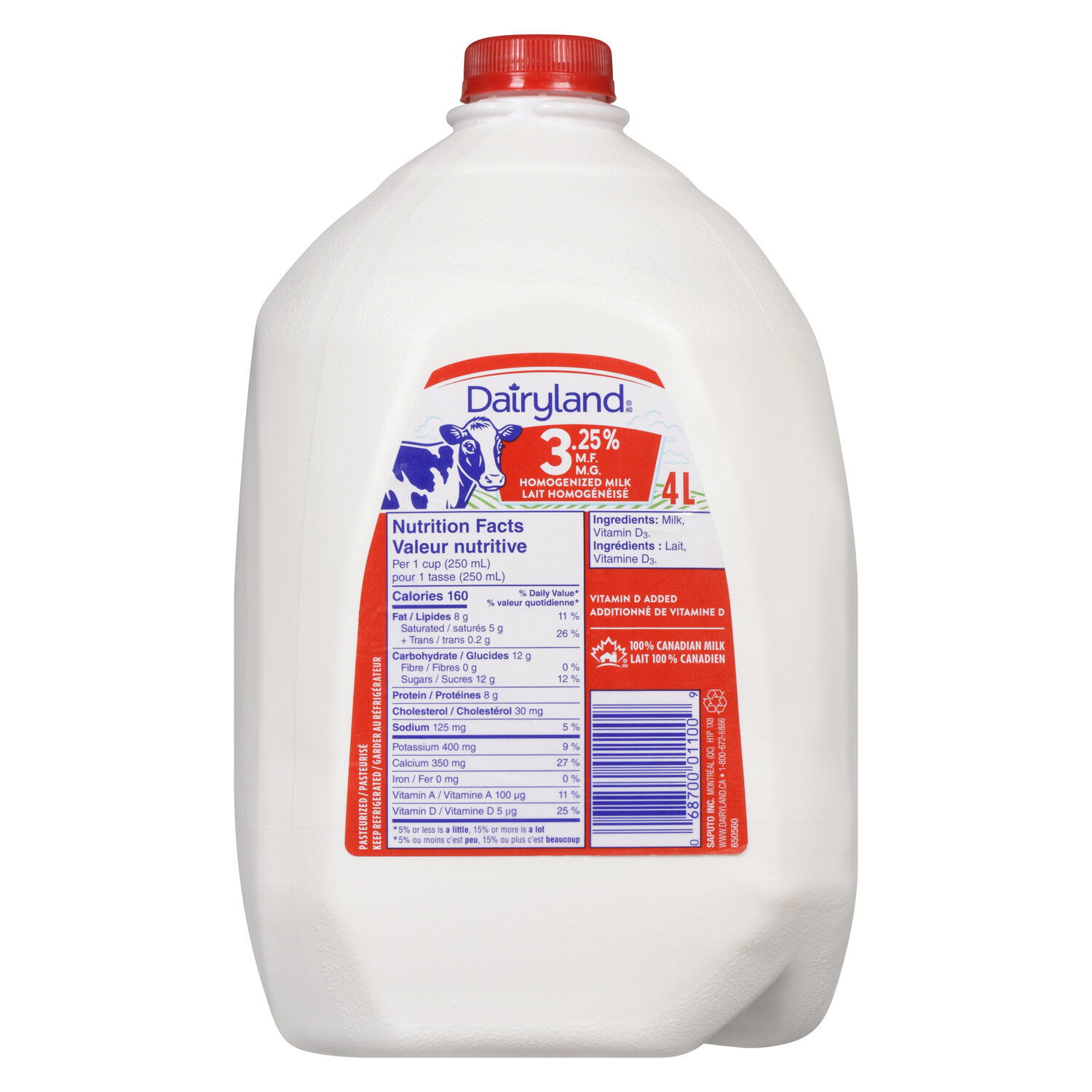
Reduced fat milk

At a glance
Summary
Reduced fat milk is minimally processed and retains essential nutrients like calcium and vitamin D, making it a healthy choice. The addition of vitamins A and D enhances its nutritional profile, supporting bone health and immune function. Its simple ingredient list and lack of harmful additives contribute to its high rating. Its plastic packaging can shed microplastics into the food and lowers its score.
Key ingredients 4
MilkGood
Milk is a natural source of high-quality protein and essential nutrients like calcium and vitamin B12. It is minimally processed and provides a balanced nutritional profile. The presence of lactose may be a concern for those with lactose intolerance.
Risks
Lactose intolerance can cause digestive discomfort in some individuals.
Benefits
Rich in calcium and protein, supporting bone health and muscle maintenance.
Fat free milkGood
Fat free milk offers the benefits of milk without the fat content, making it a lower-calorie option. It retains essential nutrients like calcium and vitamin D. Suitable for those looking to reduce fat intake while maintaining nutrient intake.
Risks
May lack the satiety provided by full-fat milk, potentially leading to increased hunger.
Benefits
Provides essential nutrients with reduced calorie content, supporting bone health and weight management.
Vitamin D3Good
Vitamin D3 is added to milk to enhance its nutritional profile, supporting bone health and calcium absorption. It is essential for maintaining healthy bones and immune function. Fortification helps prevent deficiencies, especially in regions with limited sunlight exposure.
Benefits
Enhances calcium absorption and supports bone health, reducing the risk of osteoporosis.
Vitamin A palmitateNeutral
Vitamin A palmitate is a synthetic form of vitamin A added to fortify milk. It helps maintain vision and immune function. The synthetic form is used to ensure consistent vitamin levels in processed foods.
Risks
Excessive intake of vitamin A can lead to toxicity, but this is unlikely from fortified foods alone.
Benefits
Supports vision and immune health by providing a stable source of vitamin A.
Processing
Unprocessed or Minimally Processed Foods
Get the full breakdown in the Scout appTake Scout shopping
Scan any product to see lab results, healthy alternatives, and your personalized analysis.