

Balsamic vinegar
Analysis updated July 2026 · How Scout scores
At a glance
Summary
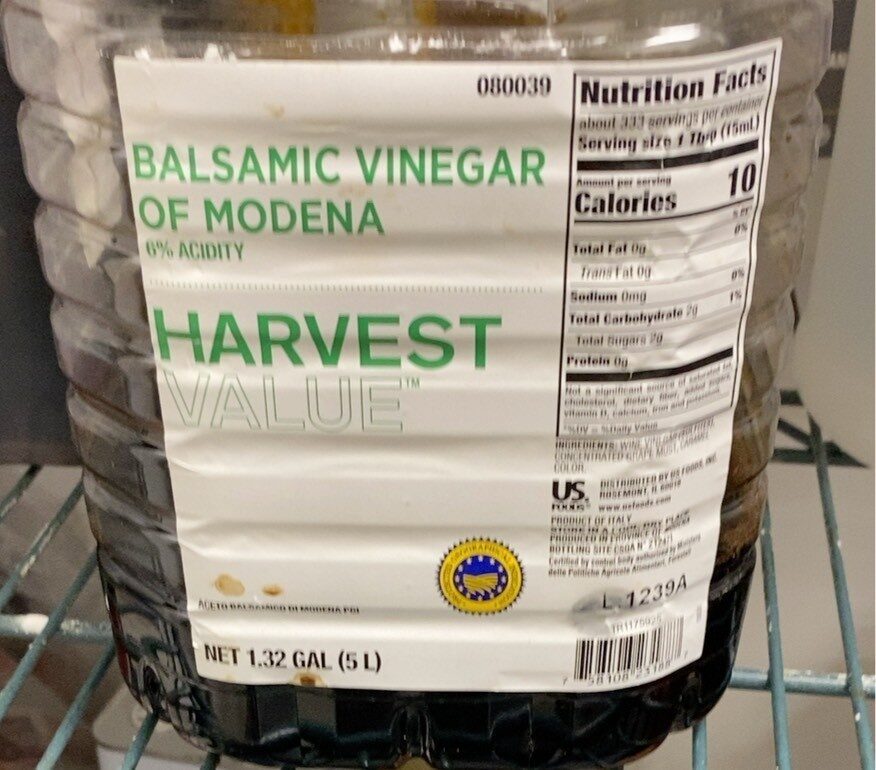
This balsamic vinegar is a processed culinary ingredient with a relatively simple ingredient list, primarily consisting of grape must and wine vinegar. However, the presence of 'natural flavors' introduces a level of processing and lack of transparency that can be concerning for consumers. While it does not contain any major harmful ingredients, the added flavors and naturally occurring sulfites slightly detract from its overall purity and quality.
Key ingredients 4
Grape MustNeutral
Grape must is the freshly crushed grape juice that contains the skins, seeds, and stems of the fruit. It is a traditional ingredient in balsamic vinegar, providing natural sweetness and complexity. The ingredient is minimally processed, retaining some natural nutrients from grapes.
Benefits
Provides natural sweetness and flavor complexity to balsamic vinegar. Contains some antioxidants and polyphenols from grapes.
Wine VinegarNeutral
Wine vinegar is produced through the fermentation of wine, resulting in acetic acid and other compounds. It is a common culinary ingredient used for its acidity and flavor. The fermentation process is natural and does not introduce significant health concerns.
Benefits
Adds acidity and flavor to dishes, which can enhance taste and preservation. Contains acetic acid, which may have some antimicrobial properties.
Naturally Occurring SulfitesNeutral
Naturally occurring sulfites are present in many fermented foods and act as preservatives. They help maintain the color and flavor of the product. While naturally occurring, they can cause reactions in sensitive individuals.
Risks
May cause allergic reactions or sensitivities in some individuals, particularly those with asthma.
Benefits
Acts as a natural preservative, helping to maintain product quality and shelf life.
Natural FlavorsBad
Natural flavors are additives used to enhance taste, derived from natural sources but often highly processed. The lack of transparency in their composition can be concerning for consumers with allergies or sensitivities. They do not provide nutritional benefits and may mask the quality of the base ingredients.
Risks
Potential allergen risk due to undisclosed ingredients and processing methods. May contain additives that some individuals prefer to avoid.
Processing
Processed Culinary Ingredients
Get the full breakdown in the Scout appTake Scout shopping
Scan any product to see lab results, healthy alternatives, and your personalized analysis.
Download on theApp Store GET IT ONGoogle PlayAmazon pricing & content
Amazon price as of . Product prices and availability are accurate as of the date/time indicated and are subject to change. Any price and availability information displayed on Amazon.com at the time of purchase will apply to the purchase of this product.
CERTAIN CONTENT THAT APPEARS ON THIS SITE COMES FROM AMAZON. THIS CONTENT IS PROVIDED “AS IS” AND IS SUBJECT TO CHANGE OR REMOVAL AT ANY TIME.