



At a glance
Summary
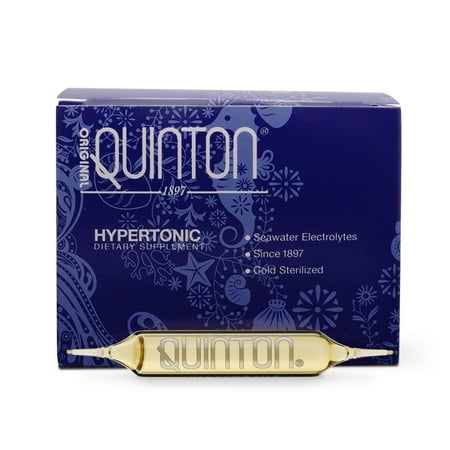
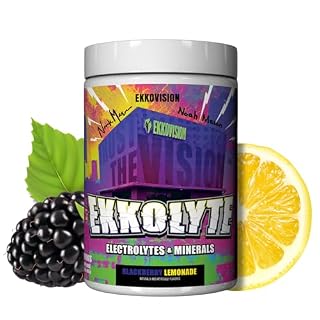
This electrolyte supplement contains beneficial minerals like sodium, potassium, calcium, and magnesium, which are essential for hydration and muscle function. However, the presence of dextrose as a sweetener and the use of 'natural flavor' without transparency slightly detract from its overall formulation quality. Despite these minor concerns, the product remains a relatively clean option with a focus on essential electrolytes.
Key ingredients 8
Magnesium OxideGood
Magnesium oxide is a source of magnesium, an essential mineral involved in over 300 biochemical reactions in the body. It supports muscle and nerve function, as well as energy production. It is often used to prevent or treat magnesium deficiency.
Risks
High doses can cause gastrointestinal issues such as diarrhea.
Benefits
Supports muscle and nerve function and helps maintain energy levels.
Citric AcidNeutral
Citric acid is a natural acid found in citrus fruits and is used as a preservative and flavor enhancer. It is generally recognized as safe and has minimal health concerns. It can enhance the flavor profile of products without adding calories.
Risks
Excessive consumption may lead to dental erosion.
Benefits
Acts as a natural preservative and can enhance the absorption of minerals.
Sodium BicarbonateNeutral
Standard formulation ingredient — neither beneficial nor harmful at typical use.
Risks
Excessive intake can lead to alkalosis and electrolyte imbalance.
Benefits
Helps neutralize stomach acid and can enhance physical performance by buffering lactic acid.
Potassium ChlorideNeutral
Standard formulation ingredient — neither beneficial nor harmful at typical use.
Risks
High doses can lead to hyperkalemia, which can affect heart function.
Benefits
Supports cardiovascular health and muscle function by maintaining electrolyte balance.
Sodium ChlorideNeutral
Standard formulation ingredient — neither beneficial nor harmful at typical use.
Risks
Excessive intake can lead to hypertension and cardiovascular issues.
Benefits
Essential for maintaining hydration and electrolyte balance, especially during physical activity.
Calcium CarbonateNeutral
Standard formulation ingredient — neither beneficial nor harmful at typical use.
Risks
Excessive intake can lead to kidney stones and impaired absorption of other minerals.
Benefits
Supports bone health and helps prevent calcium deficiency.
DextroseBad
Dextrose is a simple sugar that can cause rapid spikes in blood sugar levels. It is often used as a sweetener and can contribute to excessive calorie intake. While it provides quick energy, it lacks nutritional value and can lead to health issues if consumed in excess.
Risks
High consumption of dextrose can lead to weight gain and increased risk of diabetes.
Benefits
Provides quick energy, which can be beneficial in certain athletic or recovery scenarios.
Natural FlavorBad
Natural flavor is a vague term that can encompass a wide range of substances derived from natural sources. It lacks transparency and can include additives that are not disclosed. While derived from natural sources, it may still contain processed ingredients.
Risks
Lack of transparency can lead to consumption of unwanted additives or allergens.
Benefits
Enhances flavor without adding calories, but offers no nutritional benefits.
Processing
Processed Culinary Ingredients
Get the full breakdown in the Scout appTake Scout shopping
Scan any product to see lab results, healthy alternatives, and your personalized analysis.
Download on theApp Store GET IT ONGoogle Play