

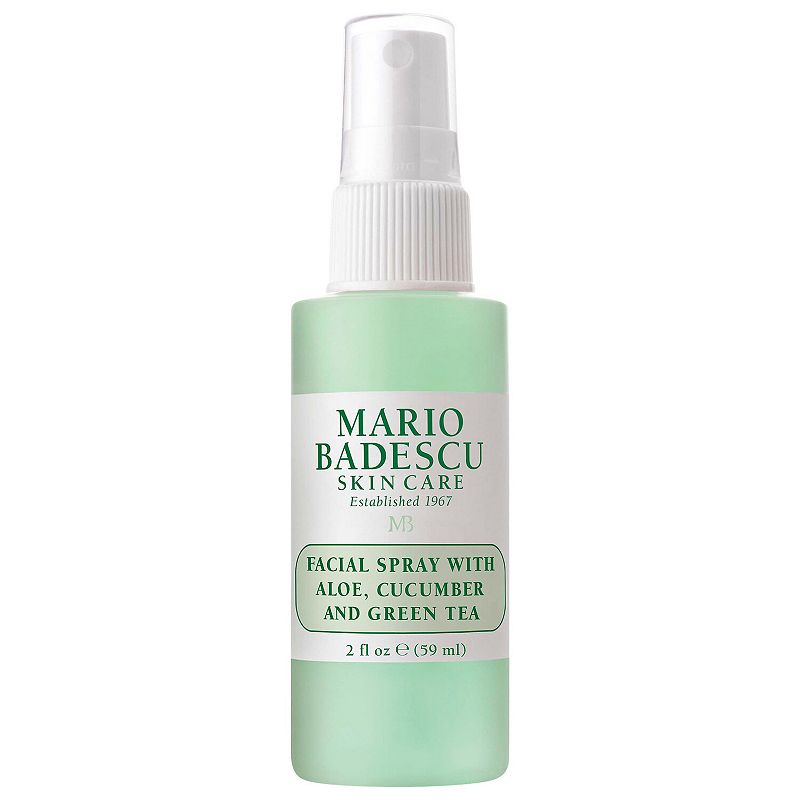
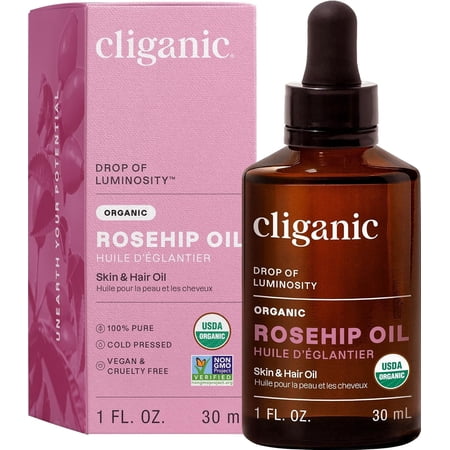
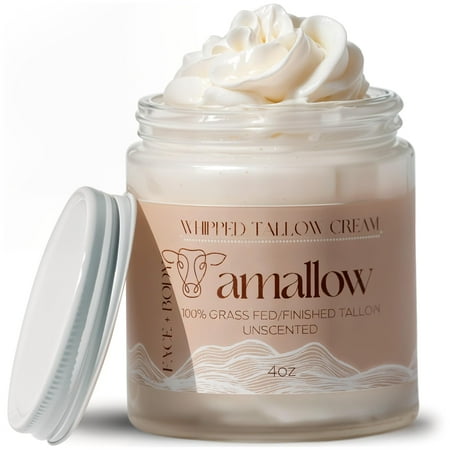

The Ordinary Aloe 2% + NAG 2% Solution for Post-Acne Marks, Size: 1 FL Oz, None
Analysis updated August 2026 · How Scout scores
At a glance
Summary
This skincare product contains beneficial ingredients such as glycerin, aloe vera, and peptides, which are known for their hydrating and skin-repairing properties. However, the presence of phenoxyethanol, a preservative that can cause skin irritation, slightly lowers its safety profile. The formulation is moderately processed, which affects its overall rating, but it remains a generally safe and effective option for skincare.
Key ingredients 18
Aloe Barbadensis Leaf Juice PowderVery Good
Aloe Barbadensis Leaf Juice is known for its soothing and hydrating properties. It is often used in skincare for its ability to calm irritated skin. It is considered safe and beneficial for most skin types.
Risks
Rarely, it may cause allergic reactions in sensitive individuals.
Benefits
Aloe vera provides anti-inflammatory and moisturizing benefits, making it ideal for soothing skin.
N-Acetyl GlucosamineVery Good
N-Acetyl Glucosamine is a skin-conditioning agent that can improve skin hydration and reduce hyperpigmentation. It is often used in anti-aging and brightening products. It is considered safe and effective for topical use.
Risks
There are minimal risks associated with this ingredient.
Benefits
It helps improve skin texture and tone, and can enhance the effects of other active ingredients.
Palmitoyl Pentapeptide-4Very Good
Palmitoyl Pentapeptide-4 is a peptide that promotes collagen production and skin repair. It is commonly used in anti-aging formulations for its ability to reduce the appearance of wrinkles. It is considered safe and effective.
Risks
There are minimal risks, though some individuals may experience mild irritation.
Benefits
It supports skin elasticity and firmness, contributing to a youthful appearance.
GlycerinGood
Glycerin is a well-known humectant that attracts moisture to the skin. It is widely used in skincare for its hydrating properties. It is considered safe and beneficial for most skin types.
Risks
There are minimal risks associated with glycerin, though overuse can lead to a sticky feeling on the skin.
Benefits
Glycerin helps maintain skin hydration and improves skin barrier function.
Aqua (Water)Neutral
Aqua is commonly used as a solvent in cosmetic formulations. It helps dissolve other ingredients and provides a base for the product. It is generally considered safe and non-reactive.
Risks
There are no significant risks associated with water in cosmetic products.
Benefits
Water hydrates the skin and helps in the application of the product.
PropanediolNeutral
Propanediol is a glycol that acts as a solvent and humectant in skincare products. It helps improve the texture and spreadability of formulations. It is generally considered safe for use in cosmetics.
Risks
In rare cases, it may cause skin irritation or allergic reactions.
Benefits
It can enhance the penetration of other ingredients and provide moisture to the skin.
Dipropylene GlycolNeutral
Dipropylene Glycol is used as a solvent and viscosity-decreasing agent in cosmetics. It helps dissolve other ingredients and improve product texture. It is generally regarded as safe for use in skincare.
Risks
It may cause mild irritation in sensitive individuals.
Benefits
It aids in the even distribution of the product on the skin.
Biosaccharide Gum-2Neutral
Biosaccharide Gum-2 is a polysaccharide used for its moisturizing and soothing properties. It forms a protective film on the skin, enhancing hydration. It is generally considered safe for use in cosmetics.
Risks
There are no significant risks associated with this ingredient.
Benefits
It provides long-lasting hydration and a smooth feel to the skin.
Pentylene GlycolNeutral
Pentylene Glycol is a multifunctional ingredient that acts as a solvent, humectant, and antimicrobial agent. It helps improve the texture and stability of formulations. It is generally regarded as safe for use in cosmetics.
Risks
In rare cases, it may cause skin irritation.
Benefits
It enhances skin hydration and helps preserve the product.
Xanthan GumNeutral
Xanthan Gum is a natural thickening agent used to stabilize and improve the texture of cosmetic products. It is derived from fermentation and is considered safe for use. It is widely used in various formulations.
Risks
There are no significant risks associated with xanthan gum.
Benefits
It helps maintain product consistency and enhances application.
Isoceteth-20Neutral
Isoceteth-20 is an emulsifier that helps blend oil and water-based ingredients. It improves the texture and stability of cosmetic formulations. It is generally considered safe for use in skincare products.
Risks
There are minimal risks, though it may cause irritation in sensitive skin.
Benefits
It enhances the spreadability and absorption of the product.
Hydroxymethoxyphenyl DecanoneNeutral
Hydroxymethoxyphenyl Decanone is a synthetic fragrance ingredient with antioxidant properties. It is used to improve the scent and stability of cosmetic products. It is generally considered safe for use.
Risks
It may cause irritation or allergic reactions in sensitive individuals.
Benefits
It provides antioxidant benefits and enhances the sensory experience of the product.
Sodium LactateNeutral
Sodium Lactate is a natural humectant derived from the fermentation of sugar. It helps maintain skin hydration and improve the texture of formulations. It is generally considered safe for use in cosmetics.
Risks
There are minimal risks associated with sodium lactate.
Benefits
It enhances skin moisture and supports a healthy skin barrier.
Lactic AcidNeutral
Standard formulation ingredient — neither beneficial nor harmful at typical use.
Risks
Overuse can lead to skin irritation or increased sensitivity to sunlight.
Benefits
It smooths and brightens the skin, reducing the appearance of fine lines and discoloration.
Sodium HydroxideNeutral
Sodium Hydroxide is used to adjust the pH of cosmetic formulations. It is a strong alkali that helps balance acidity in products. It is generally considered safe when used in small amounts.
Risks
In high concentrations, it can be corrosive and cause irritation.
Benefits
It ensures the stability and effectiveness of the product by maintaining the desired pH level.
EthylhexylglycerinNeutral
Ethylhexylglycerin is a preservative and skin-conditioning agent. It helps enhance the efficacy of other preservatives and provides a smooth feel to the skin. It is generally considered safe for use in cosmetics.
Risks
There are minimal risks, though it may cause irritation in sensitive individuals.
Benefits
It helps maintain product freshness and improves skin feel.
ChlorphenesinNeutral
Chlorphenesin is a preservative used to prevent the growth of bacteria and fungi in cosmetic products. It is effective in maintaining product safety and stability. It is generally considered safe for use in cosmetics.
Risks
It may cause skin irritation or allergic reactions in some individuals.
Benefits
It helps ensure the product remains free from microbial contamination.
PhenoxyethanolBad
Phenoxyethanol is a preservative used to prevent microbial growth in cosmetic products. It is effective in low concentrations but has been associated with skin irritation and allergic reactions. It is considered safe within recommended limits but is often scrutinized for potential toxicity.
Risks
It can cause skin irritation and allergic reactions, especially in sensitive individuals.
Benefits
It helps preserve the product and extend its shelf life.
Processing
Processed Foods
Get the full breakdown in the Scout appTake Scout shopping
Scan any product to see lab results, healthy alternatives, and your personalized analysis.
Download on theApp Store GET IT ONGoogle PlayAmazon pricing & content
Amazon price as of . Product prices and availability are accurate as of the date/time indicated and are subject to change. Any price and availability information displayed on Amazon.com at the time of purchase will apply to the purchase of this product.
CERTAIN CONTENT THAT APPEARS ON THIS SITE COMES FROM AMAZON. THIS CONTENT IS PROVIDED “AS IS” AND IS SUBJECT TO CHANGE OR REMOVAL AT ANY TIME.