
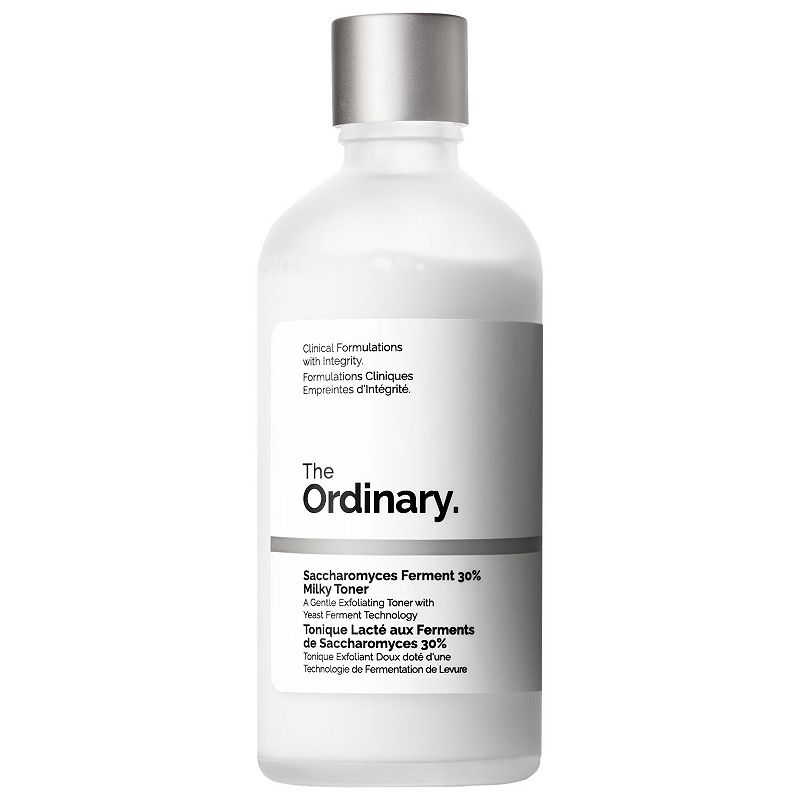
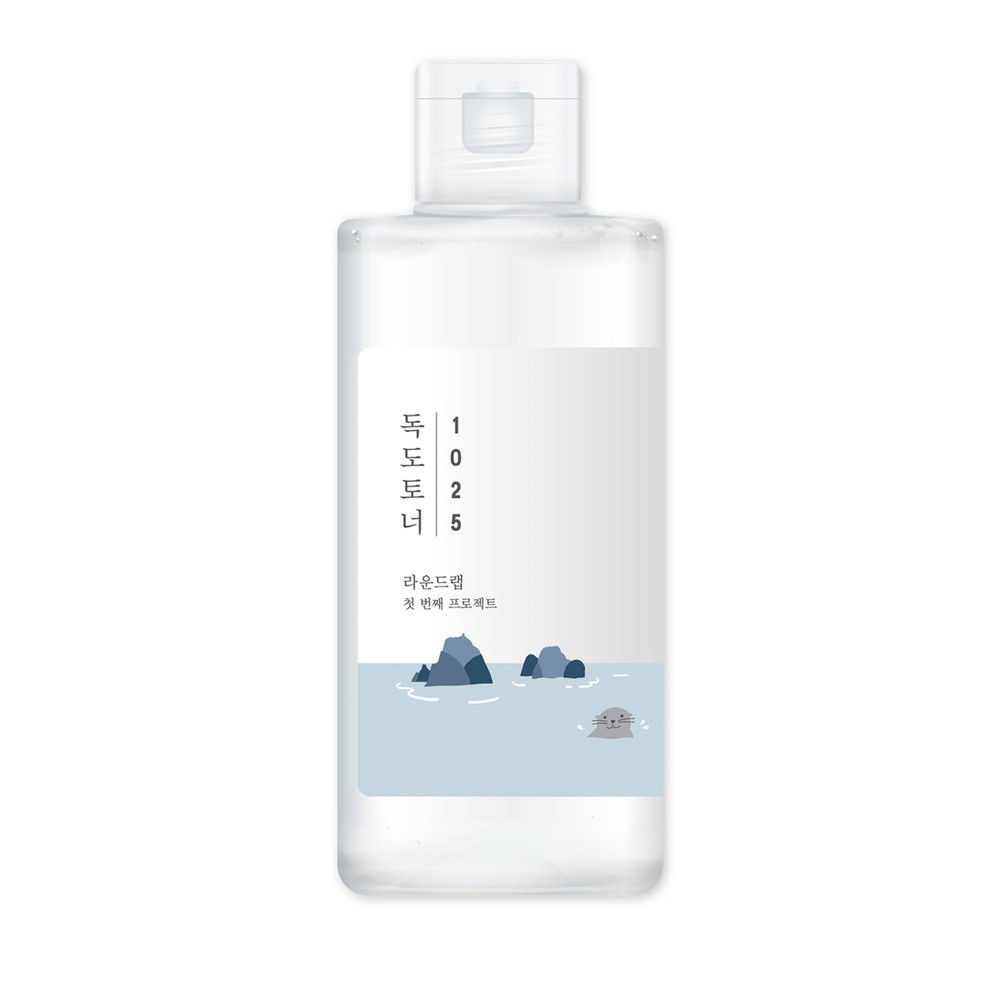
The Ordinary Saccharomyces Ferment 30% Milky Toner for Gentle Exfoliation & Hydration - Vegan Facial Treatment: 3.38 fl oz
Summary
This toner contains beneficial ingredients like saccharomyces ferment, which is known for its hydrating and exfoliating properties. However, the presence of synthetic preservatives and emulsifiers slightly lowers its score. The product is processed, but it avoids harsh chemicals and major endocrine disruptors, making it a relatively safe choice for skincare.
At a glance
Key ingredients 13
Aqua
Aqua, or water, is the most common ingredient in cosmetics, serving as a solvent. It helps dissolve other ingredients and provides a base for the formulation. It is essential for hydration and helps in the application of the product.
Risks
There are no significant risks associated with water in cosmetics.
Benefits
Water is crucial for hydration and helps in the even distribution of other ingredients.
Yeast Extract
Yeast extract is used for its moisturizing and conditioning properties. It is rich in nutrients and can help improve skin texture. It is often included for its potential to support skin barrier function.
Risks
Some individuals may experience irritation or allergic reactions.
Benefits
Yeast extract can enhance skin hydration and improve overall skin health.
Squalane
Squalane is a highly effective emollient and natural antioxidant. It mimics the skin's natural oils, making it an excellent moisturizer. It is known for its ability to penetrate the skin and provide deep hydration.
Risks
Squalane is generally considered safe with minimal risk of irritation.
Benefits
Squalane helps to lock in moisture and improve skin elasticity, making it a beneficial ingredient for dry skin.
Lauryl Glucoside
Lauryl glucoside is a mild surfactant derived from natural sources. It is used to help cleanse the skin by breaking down oils and dirt. It is known for being gentle and non-irritating.
Risks
There is a low risk of irritation, making it suitable for sensitive skin.
Benefits
Lauryl glucoside is effective in cleansing without stripping the skin of its natural oils.
Myristyl Glucoside
Myristyl glucoside is a gentle surfactant used in cosmetics for its cleansing properties. It is derived from natural sources and is biodegradable. It helps to create a stable and foamy texture in formulations.
Risks
It is generally considered safe with a low risk of irritation.
Benefits
Myristyl glucoside provides effective cleansing while being gentle on the skin.
Polyglyceryl-6 Laurate
Polyglyceryl-6 laurate is an emulsifier that helps to blend oil and water-based ingredients. It is derived from natural sources and is known for its mildness. It contributes to the stability and texture of the product.
Risks
There are minimal risks associated with this ingredient.
Benefits
It enhances the texture and stability of cosmetic formulations.
Isoceteth-20
Isoceteth-20 is a synthetic compound used as an emulsifier and surfactant. It helps to mix oil and water components in formulations. It is known for its ability to improve the spreadability of products.
Risks
Some individuals may experience mild irritation.
Benefits
It aids in creating a smooth and uniform product texture.
Trisodium Ethylenediamine Disuccinate
Trisodium ethylenediamine disuccinate is a chelating agent that helps to stabilize formulations. It binds to metal ions, preventing them from affecting the product's stability and efficacy. It is considered safe and effective in cosmetics.
Risks
There are no significant risks associated with this ingredient.
Benefits
It enhances the stability and shelf-life of cosmetic products.
Citric Acid
Citric acid is used to adjust the pH of cosmetic formulations. It is derived from citrus fruits and can also act as a mild exfoliant. It helps to maintain the stability and effectiveness of the product.
Risks
In high concentrations, it may cause irritation or sensitivity.
Benefits
Citric acid helps to balance the pH and can improve skin texture through mild exfoliation.
Sodium Citrate
Sodium citrate is a buffering agent used to control the pH of cosmetic products. It is derived from citric acid and helps to maintain product stability. It is considered safe and non-irritating.
Risks
There are minimal risks associated with sodium citrate.
Benefits
It helps to stabilize the pH, ensuring the product remains effective and gentle on the skin.
Sodium Hydroxide
Sodium hydroxide is used to adjust the pH of cosmetic formulations. It is a strong base that helps to neutralize acidic components. It is used in very small amounts to ensure product safety.
Risks
In high concentrations, it can be corrosive and irritating.
Benefits
When used correctly, it helps to balance the pH of the product, ensuring safety and efficacy.
Phenoxyethanol
Phenoxyethanol is a preservative used to prevent microbial growth in cosmetics. It is effective in extending the shelf-life of products. It is considered a safer alternative to parabens.
Risks
Some individuals may experience irritation or allergic reactions.
Benefits
It helps to preserve the product, ensuring it remains safe and effective for use.
Chlorphenesin
Chlorphenesin is a preservative used to prevent the growth of bacteria and fungi in cosmetics. It helps to extend the shelf-life of products. It is considered effective in maintaining product safety.
Risks
There is a potential for skin irritation in sensitive individuals.
Benefits
It ensures the product remains free from microbial contamination.
Processing
Processed Foods
Get the full breakdown in the Scout app
Scan any product to see lab results, healthy alternatives, and your personalized analysis.
Download on theApp Store