
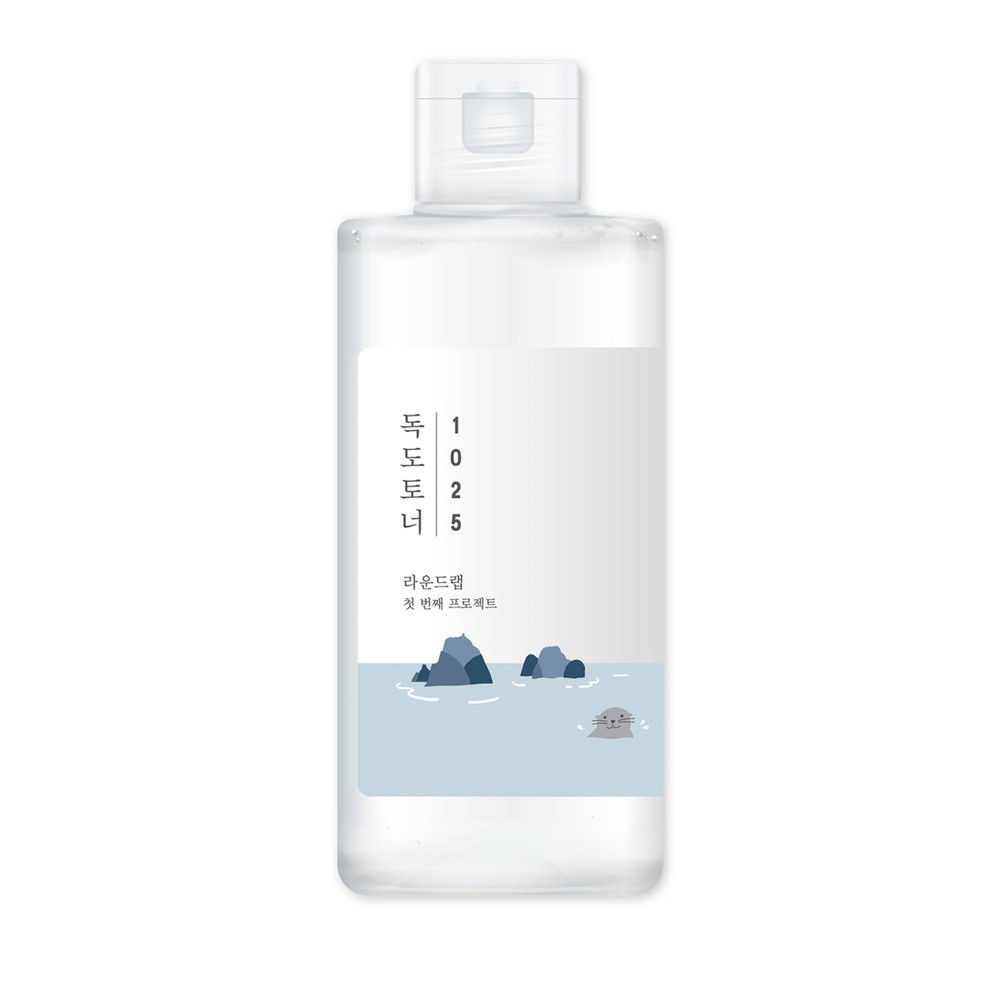
Round Lab 1025 Dokdo Toner Korean Skincare for Skin Balancing and Gentle Exfoliation with Soft Finish - 200ml
Analysis updated August 2026 · How Scout scores
At a glance
Summary
This toner features a clean and beneficial ingredient list, including glycerin, panthenol, and allantoin, which are known for their moisturizing and soothing properties. The product is minimally processed and free from harsh chemicals or synthetic fragrances, making it suitable for sensitive skin. The inclusion of natural extracts like Chondrus Crispus and Sugarcane further enhances its skin-nourishing qualities.
Key ingredients 16
PanthenolVery Good
Panthenol, also known as provitamin B5, is a powerful moisturizer and skin conditioner. It helps in improving skin hydration and reducing inflammation. It is widely used in skincare for its soothing and healing properties.
Risks
There are minimal risks associated with panthenol, though it may cause irritation in very sensitive skin.
Benefits
It enhances skin moisture, soothes irritation, and promotes healing.
AllantoinVery Good
Allantoin is known for its soothing and skin conditioning properties. It helps in promoting skin healing and reducing irritation. It is widely used in skincare for its ability to improve skin texture and comfort.
Risks
There are minimal risks associated with allantoin, though it may cause irritation in very sensitive skin.
Benefits
It soothes irritation, promotes healing, and improves skin texture.
GlycerinGood
Glycerin is a powerful humectant that attracts moisture to the skin, keeping it hydrated. It is widely used in skincare for its moisturizing properties. It is considered safe and beneficial for most skin types.
Risks
There are minimal risks associated with glycerin, though it may cause irritation in very sensitive skin.
Benefits
Glycerin helps maintain skin hydration and improves skin barrier function.
Chondrus Crispus ExtractGood
Chondrus Crispus Extract, also known as Irish Moss, is used for its moisturizing and soothing properties. It is rich in nutrients and helps improve skin texture. It is considered beneficial for skin health.
Risks
There are minimal risks associated with this extract, though it may cause irritation in very sensitive skin.
Benefits
It provides hydration and soothing effects to the skin.
Saccharum Officinarum (Sugarcane) ExtractGood
Sugarcane Extract is known for its exfoliating properties due to its natural glycolic acid content. It helps in removing dead skin cells and promoting skin renewal. It is beneficial for improving skin texture and tone.
Risks
Overuse may lead to skin irritation or sensitivity.
Benefits
It aids in gentle exfoliation and enhances skin radiance.
BetaineGood
Betaine is a natural humectant that helps in maintaining skin hydration. It is known for its soothing and anti-inflammatory properties. It is beneficial for improving skin moisture and reducing irritation.
Risks
There are minimal risks associated with betaine, though it may cause irritation in very sensitive skin.
Benefits
It enhances skin hydration and soothes irritation.
WaterNeutral
Water is a common solvent used in cosmetics to dissolve other ingredients. It helps in the application and absorption of the product. It does not provide direct benefits or risks.
Risks
There are no significant risks associated with water in cosmetics.
Benefits
Water helps in the even distribution of other active ingredients.
Butylene GlycolNeutral
Butylene Glycol is a common humectant that helps retain moisture in the skin. It also acts as a solvent and improves the texture of the product. It is generally considered safe for use in cosmetics.
Risks
In rare cases, it may cause irritation in sensitive skin.
Benefits
It helps in maintaining skin hydration and improves product spreadability.
Pentylene GlycolNeutral
Pentylene Glycol is used as a humectant and solvent in cosmetics. It helps in improving the texture and spreadability of the product. It is generally considered safe for use in skincare.
Risks
It may cause mild irritation in sensitive individuals.
Benefits
It enhances skin moisture retention and product stability.
PropanediolNeutral
Propanediol is a glycol that acts as a solvent and humectant in skincare products. It helps in improving the texture and absorption of the product. It is considered safe for use in cosmetics.
Risks
Propanediol may cause mild irritation in sensitive skin.
Benefits
It aids in skin hydration and enhances product performance.
Sea WaterNeutral
Sea Water is used in cosmetics for its mineral content, which can benefit the skin. It helps in hydrating and soothing the skin. It is generally considered safe for use in skincare.
Risks
There are minimal risks, though it may cause irritation in very sensitive skin.
Benefits
It provides minerals that can support skin health.
1,2-HexanediolNeutral
1,2-Hexanediol is used as a solvent and preservative in cosmetics. It helps in stabilizing the product and enhancing its shelf life. It is generally considered safe for use in skincare.
Risks
It may cause mild irritation in sensitive skin.
Benefits
It helps in preserving the product and maintaining its efficacy.
ProteaseNeutral
Protease is an enzyme that helps in breaking down proteins, which can aid in exfoliation. It is used in skincare to promote skin renewal. It is generally considered safe for use in cosmetics.
Risks
Overuse may lead to skin irritation or sensitivity.
Benefits
It aids in gentle exfoliation and promotes smoother skin.
EthylhexylglycerinNeutral
Ethylhexylglycerin is used as a preservative and skin conditioning agent in cosmetics. It helps in enhancing the efficacy of other preservatives. It is generally considered safe for use in skincare.
Risks
It may cause mild irritation in sensitive skin.
Benefits
It helps in preserving the product and improving skin feel.
Xanthan GumNeutral
Xanthan Gum is used as a thickening agent in cosmetics to improve texture and stability. It helps in maintaining the consistency of the product. It is generally considered safe for use in skincare.
Risks
There are minimal risks, though it may cause irritation in very sensitive skin.
Benefits
It enhances product texture and stability.
Disodium EDTABad
Processed additive flagged under Scout's ingredient doctrine.
Risks
It may cause mild irritation in sensitive skin.
Benefits
It enhances product stability and efficacy.
Get the full breakdown in the Scout appTake Scout shopping
Scan any product to see lab results, healthy alternatives, and your personalized analysis.
Download on theApp Store GET IT ONGoogle PlayAmazon pricing & content
Amazon price as of . Product prices and availability are accurate as of the date/time indicated and are subject to change. Any price and availability information displayed on Amazon.com at the time of purchase will apply to the purchase of this product.
CERTAIN CONTENT THAT APPEARS ON THIS SITE COMES FROM AMAZON. THIS CONTENT IS PROVIDED “AS IS” AND IS SUBJECT TO CHANGE OR REMOVAL AT ANY TIME.