
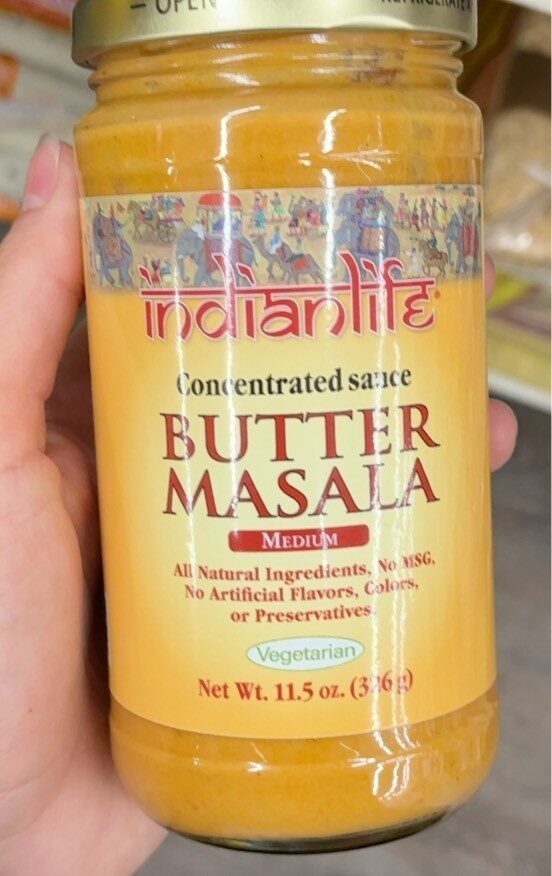


Butter Masala
Analysis updated June 2026 · How Scout scores
At a glance
Summary
This Butter Masala sauce contains beneficial ingredients like tomatoes, butter, and spices that contribute to its flavor and nutritional profile. However, the presence of sunflower oil, a seed oil high in omega-6 fatty acids, and evaporated cane juice, a refined sugar, negatively impact its healthiness. Additionally, the product is ultra-processed, which limits its overall score despite some redeeming qualities.
Key ingredients 15
TomatoesVery Good
Tomatoes are rich in vitamins, minerals, and antioxidants like lycopene. They contribute to the flavor and nutritional profile of the sauce. Fresh or minimally processed tomatoes are preferable for maximum nutrient retention.
Benefits
Rich in antioxidants such as lycopene, which may reduce the risk of chronic diseases.
Light creamGood
Light cream provides a source of dairy fat and contributes to the creamy texture of the sauce. It contains beneficial fats and fat-soluble vitamins. The quality of cream can vary based on the source of milk, with pasture-raised options being preferable.
Risks
Potential lactose intolerance issues for sensitive individuals.
Benefits
Contains beneficial fats and fat-soluble vitamins like A and D, which are important for various bodily functions.
ButterGood
Butter is a source of saturated fats and provides a rich flavor to the dish. It contains fat-soluble vitamins and is best when sourced from grass-fed cows. Moderation is key due to its high saturated fat content.
Risks
High in saturated fats, which should be consumed in moderation to avoid cardiovascular risks.
Benefits
Contains fat-soluble vitamins such as A, D, E, and K, and provides a rich flavor profile.
GingerGood
Ginger is a spice known for its anti-inflammatory and digestive benefits. It adds flavor and potential health benefits to the dish. Fresh ginger is preferable for maximum potency and flavor.
Benefits
Contains compounds that may aid digestion and reduce inflammation.
GarlicGood
Garlic is known for its potential cardiovascular and immune-boosting benefits. It adds a distinct flavor and aroma to the dish. Fresh garlic is preferable for maximum health benefits.
Benefits
May support cardiovascular health and boost the immune system.
Red chili powderGood
Red chili powder adds heat and flavor to the dish and contains capsaicin, which may have metabolic benefits. It is best used in moderation to avoid digestive discomfort. Freshly ground chili powder retains more flavor and potency.
Risks
Excessive consumption may cause digestive discomfort.
Benefits
Contains capsaicin, which may boost metabolism and provide anti-inflammatory effects.
Fenugreek leavesGood
Fenugreek leaves are used for their distinct flavor and potential health benefits, including blood sugar regulation. They are a source of vitamins and minerals. Fresh or dried leaves can be used, with fresh offering more flavor.
Benefits
May help regulate blood sugar levels and provide vitamins and minerals.
TurmericGood
Turmeric is known for its anti-inflammatory and antioxidant properties, largely due to curcumin. It adds color and health benefits to the dish. Fresh turmeric or high-quality powder is preferable for maximum benefits.
Benefits
Contains curcumin, which has strong anti-inflammatory and antioxidant properties.
CuminGood
Cumin is a spice that adds flavor and may aid digestion. It contains antioxidants and is used in various cuisines for its aromatic properties. Freshly ground cumin retains more flavor and potency.
Benefits
May aid digestion and provide antioxidant benefits.
SaltNeutral
Salt is used to enhance flavor but does not provide nutritional benefits. Excessive consumption can lead to health issues such as hypertension. It is important to monitor overall sodium intake from all dietary sources.
Risks
Excessive sodium intake can lead to hypertension and cardiovascular issues.
Corn starchNeutral
Corn starch is used as a thickening agent in sauces. It is a refined carbohydrate with minimal nutritional value. It is generally considered safe but offers no significant health benefits.
See more about Corn starch →Citric acidNeutral
Citric acid is used as an acidulant to enhance flavor and preserve the product. It is generally recognized as safe but offers no nutritional benefits. It is naturally found in citrus fruits but often synthesized for food use.
See more about Citric acid →Xanthan gumNeutral
Xanthan gum is used as a thickening and stabilizing agent in foods. It is a polysaccharide produced through fermentation and is generally recognized as safe. It offers no nutritional benefits but improves texture and consistency.
See more about Xanthan gum →Evaporated cane juiceBad
Evaporated cane juice is a form of sugar that contributes to the sweetness of the sauce. It is a refined sugar with minimal nutritional value. Excessive consumption of added sugars can lead to health issues such as obesity and diabetes.
Risks
Excessive sugar intake can lead to obesity, diabetes, and other metabolic disorders.
Sunflower oilVery Bad
Sunflower oil is a seed oil high in omega-6 fatty acids, which can promote inflammation if consumed in excess. It is often highly processed, which can degrade its nutritional quality. Alternatives like olive oil are preferable for a healthier fat profile.
Risks
High omega-6 content may promote inflammation when consumed in excess.
Processing
Ultra-Processed Foods
Get the full breakdown in the Scout appTake Scout shopping
Scan any product to see lab results, healthy alternatives, and your personalized analysis.
Download on theApp Store GET IT ONGoogle PlayAmazon pricing & content
Amazon price as of . Product prices and availability are accurate as of the date/time indicated and are subject to change. Any price and availability information displayed on Amazon.com at the time of purchase will apply to the purchase of this product.
CERTAIN CONTENT THAT APPEARS ON THIS SITE COMES FROM AMAZON. THIS CONTENT IS PROVIDED “AS IS” AND IS SUBJECT TO CHANGE OR REMOVAL AT ANY TIME.