


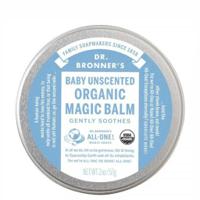
Dr. Bronner's Rose Bar Soap Made With Organic Ingredients 140
Dr. Bronner'sAnalysis updated August 2026 · How Scout scores
At a glance
Summary
This soap is made with high-quality organic ingredients such as coconut oil, olive oil, and hemp seed oil, which are known for their moisturizing and skin-nourishing properties. The product is minimally processed and free from harsh chemicals, though it contains natural rose fragrance, which can be a potential irritant for sensitive skin. Overall, the formulation is clean and beneficial for skin health, with only minor concerns related to fragrance.
Key ingredients 14
Organic Coconut OilVery Good
Organic Coconut Oil is a natural oil known for its moisturizing properties. It helps to nourish and hydrate the skin, making it a beneficial ingredient in skincare products. It is also rich in fatty acids that can help to maintain the skin's natural barrier.
Risks
There is a low risk of allergic reactions, but it is generally considered safe for most skin types.
Benefits
It provides excellent moisturization and can help to soothe dry skin.
Organic Olive OilVery Good
Organic Olive Oil is rich in antioxidants and vitamins, making it highly beneficial for skin health. It helps to moisturize and protect the skin, reducing signs of aging.
Risks
Generally safe, but may cause breakouts in very oily skin types.
Benefits
Deeply moisturizes and nourishes the skin, providing antioxidant protection.
Organic Hemp Seed OilVery Good
Organic Hemp Seed Oil is known for its anti-inflammatory properties and is rich in omega fatty acids. It helps to soothe and hydrate the skin, making it ideal for sensitive or dry skin.
Risks
Minimal risk of irritation, generally considered safe for all skin types.
Benefits
Provides excellent hydration and can help to calm irritated skin.
Organic Jojoba WaxVery Good
Organic Jojoba Wax closely resembles the skin's natural sebum, making it an excellent moisturizer. It helps to balance oil production and is non-comedogenic.
Risks
Very low risk of irritation or allergic reaction.
Benefits
Balances skin's natural oils and provides long-lasting hydration.
TocopherolVery Good
Tocopherol, or Vitamin E, is a powerful antioxidant that helps to protect the skin from free radical damage. It also has moisturizing properties, making it beneficial for skin health.
Risks
Generally safe, but high concentrations may cause skin irritation in some individuals.
Benefits
Protects the skin from oxidative stress and helps to maintain moisture levels.
Sea SaltGood
Beneficial ingredient — whole-food or functional value in this product class.
Risks
Can cause dryness or irritation if used in high concentrations.
Benefits
Exfoliates the skin, leaving it smooth and refreshed.
Organic Palm OilNeutral
Organic Palm Oil is used in cosmetics for its emollient properties. It helps to improve the texture and spreadability of products. However, its environmental impact due to deforestation is a concern.
Risks
The primary concern is environmental, as palm oil production can lead to deforestation and habitat destruction.
Benefits
It provides a smooth texture and helps to lock in moisture in skincare formulations.
Sodium HydroxideNeutral
Sodium Hydroxide is used in soap making to saponify oils, turning them into soap. It is necessary for the soap-making process but is not present in the final product. It can be irritating in high concentrations.
Risks
In its raw form, it is highly caustic and can cause skin irritation or burns.
Benefits
It is essential for the saponification process, which creates soap from oils.
Citric AcidNeutral
Citric Acid is used to adjust the pH of cosmetic products. It can also provide mild exfoliation. However, it may cause irritation in sensitive skin.
Risks
Potential for irritation, especially in sensitive skin types.
Benefits
Helps to maintain the product's pH balance and provides gentle exfoliation.
CitronellolNeutral
Citronellol is a fragrance component that provides a floral scent. It is naturally occurring in essential oils but can cause allergic reactions in sensitive individuals.
Risks
Potential allergen that may cause skin irritation or allergic reactions.
Benefits
Contributes a pleasant floral aroma to the product.
GeraniolNeutral
Geraniol is a naturally occurring fragrance compound found in essential oils. It is used for its pleasant rose-like scent but can be an allergen for some people.
Risks
May cause allergic reactions or skin irritation in sensitive individuals.
Benefits
Adds a rose-like fragrance to the product, enhancing its appeal.
Natural Rose FragranceBad
Fragrances, even natural ones, can cause skin irritation and allergic reactions in sensitive individuals. They are often criticized for their potential to cause contact dermatitis.
Risks
Potential for skin irritation and allergic reactions, especially in sensitive skin types.
Benefits
Provides a pleasant scent to the product, enhancing user experience.
LimoneneBad
Processed additive flagged under Scout's ingredient doctrine.
Risks
Can cause skin irritation or allergic reactions, especially when oxidized.
Benefits
Provides a fresh citrus aroma, enhancing the sensory experience.
LinaloolBad
Processed additive flagged under Scout's ingredient doctrine.
Risks
Potential allergen that may cause skin irritation or allergic reactions.
Benefits
Contributes a pleasant floral fragrance to the product.
Get the full breakdown in the Scout appTake Scout shopping
Scan any product to see lab results, healthy alternatives, and your personalized analysis.
Download on theApp Store GET IT ONGoogle PlayAmazon pricing & content
Amazon price as of . Product prices and availability are accurate as of the date/time indicated and are subject to change. Any price and availability information displayed on Amazon.com at the time of purchase will apply to the purchase of this product.
CERTAIN CONTENT THAT APPEARS ON THIS SITE COMES FROM AMAZON. THIS CONTENT IS PROVIDED “AS IS” AND IS SUBJECT TO CHANGE OR REMOVAL AT ANY TIME.