

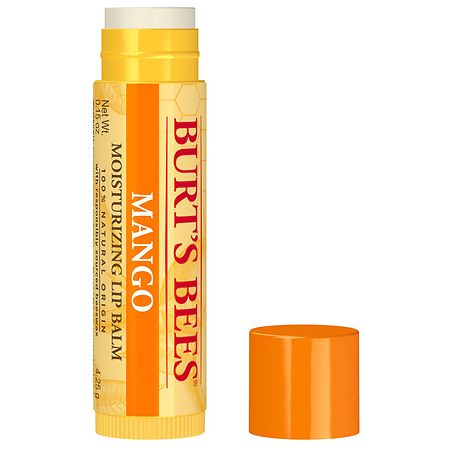

Burt s Bees Lip Care Strawberry Lip Balms 1ct
Analysis updated August 2026 · How Scout scores
At a glance
Summary
This lip balm contains a variety of natural oils and butters such as sunflower seed oil, coconut oil, beeswax, and shea butter, which are beneficial for moisturizing and protecting the lips. However, the presence of synthetic fragrance compounds like aroma, citral, and linalool, which can cause skin irritation, slightly lowers its rating. The product is processed, but the overall ingredient list is relatively clean with a focus on natural components.
Key ingredients 17
Helianthus Annuus (Sunflower) Seed OilVery Good
Sunflower seed oil is a natural oil rich in essential fatty acids and vitamin E. It is known for its moisturizing properties and ability to improve skin barrier function.
Risks
There are minimal risks associated with sunflower seed oil, though some individuals may experience mild allergic reactions.
Benefits
It provides excellent hydration and helps maintain the skin's natural barrier.
Cocos Nucifera (Coconut) OilVery Good
Coconut oil is a natural emollient that helps to moisturize and soften the skin. It contains medium-chain fatty acids that have antimicrobial properties.
Risks
Some people may experience clogged pores or allergic reactions.
Benefits
It deeply moisturizes and can help protect the skin from environmental damage.
BeeswaxVery Good
Beeswax is a natural wax that provides a protective barrier on the skin. It helps to lock in moisture and has anti-inflammatory properties.
Risks
Beeswax is generally safe, but some individuals may be allergic.
Benefits
It helps to retain moisture and protect the skin from environmental irritants.
Ricinus Communis (Castor) Seed OilVery Good
Castor seed oil is a thick, natural oil known for its moisturizing and anti-inflammatory properties. It is often used to soothe dry and irritated skin.
Risks
In rare cases, it may cause allergic reactions or skin irritation.
Benefits
It provides deep hydration and can help reduce inflammation.
LanolinVery Good
Lanolin is a natural emollient derived from sheep's wool. It is highly effective at moisturizing and protecting the skin.
Risks
Some individuals may be allergic to lanolin.
Benefits
It provides excellent moisture retention and skin protection.
Butyrospermum Parkii (Shea) ButterVery Good
Shea butter is a natural fat extracted from the nuts of the shea tree. It is rich in vitamins and fatty acids, making it an excellent moisturizer.
Risks
Rarely, it may cause allergic reactions.
Benefits
It deeply nourishes and hydrates the skin, improving elasticity.
Theobroma Cacao (Cocoa) Seed ButterVery Good
Cocoa seed butter is a natural fat that provides deep hydration and forms a protective barrier on the skin. It is rich in antioxidants.
Risks
May cause allergic reactions in sensitive individuals.
Benefits
It helps to moisturize and protect the skin from environmental damage.
TocopherolVery Good
Tocopherol, or vitamin E, is a powerful antioxidant that helps protect the skin from free radical damage. It also has moisturizing properties.
Risks
Generally safe, but high concentrations may cause skin irritation.
Benefits
It protects the skin from oxidative stress and helps maintain moisture.
Fragaria Ananassa (Strawberry) Seed OilGood
Strawberry seed oil is rich in antioxidants and essential fatty acids. It helps to nourish and protect the skin.
Risks
Potential for allergic reactions in sensitive individuals.
Benefits
It provides antioxidant protection and helps maintain skin health.
Glycine Soja (Soybean) OilGood
Soybean oil is a natural oil rich in essential fatty acids and vitamin E. It helps to moisturize and protect the skin.
Risks
May cause allergic reactions in individuals sensitive to soy.
Benefits
It provides hydration and helps improve skin barrier function.
Rebaudioside ANeutral
Rebaudioside A is a natural sweetener derived from the stevia plant. It is used to add sweetness without calories.
Risks
Generally considered safe, but excessive use may cause digestive issues.
Benefits
Provides sweetness without adding sugar or calories.
Aroma (Flavor)Bad
The term 'Aroma' or 'Flavor' often indicates the presence of synthetic fragrances. These can be irritating to the skin and may cause allergic reactions.
Risks
Potential for skin irritation and allergic reactions.
Benefits
Adds a pleasant scent or taste to the product.
CitralBad
Citral is a fragrance compound that can cause skin irritation and allergic reactions. It is often used for its lemon scent.
Risks
Potential for skin irritation and allergic reactions.
Benefits
Adds a fresh, citrus scent to products.
CitronellolBad
Citronellol is a fragrance ingredient that can cause skin irritation and allergic reactions. It is used for its floral scent.
Risks
Potential for skin irritation and allergic reactions.
Benefits
Provides a pleasant floral fragrance.
GeraniolBad
Geraniol is a fragrance compound that can cause skin irritation and allergic reactions. It is used for its rose-like scent.
Risks
Potential for skin irritation and allergic reactions.
Benefits
Contributes a rose-like fragrance to products.
LimoneneBad
Limonene is a fragrance ingredient that can oxidize and cause skin irritation. It is used for its citrus scent.
Risks
Potential for skin irritation and allergic reactions.
Benefits
Adds a citrus fragrance to products.
LinaloolBad
Linalool is a fragrance compound that can cause skin irritation and allergic reactions. It is used for its floral scent.
Risks
Potential for skin irritation and allergic reactions.
Benefits
Provides a floral fragrance to products.
Get the full breakdown in the Scout appTake Scout shopping
Scan any product to see lab results, healthy alternatives, and your personalized analysis.
Download on theApp Store GET IT ONGoogle PlayAmazon pricing & content
Amazon price as of . Product prices and availability are accurate as of the date/time indicated and are subject to change. Any price and availability information displayed on Amazon.com at the time of purchase will apply to the purchase of this product.
CERTAIN CONTENT THAT APPEARS ON THIS SITE COMES FROM AMAZON. THIS CONTENT IS PROVIDED “AS IS” AND IS SUBJECT TO CHANGE OR REMOVAL AT ANY TIME.