
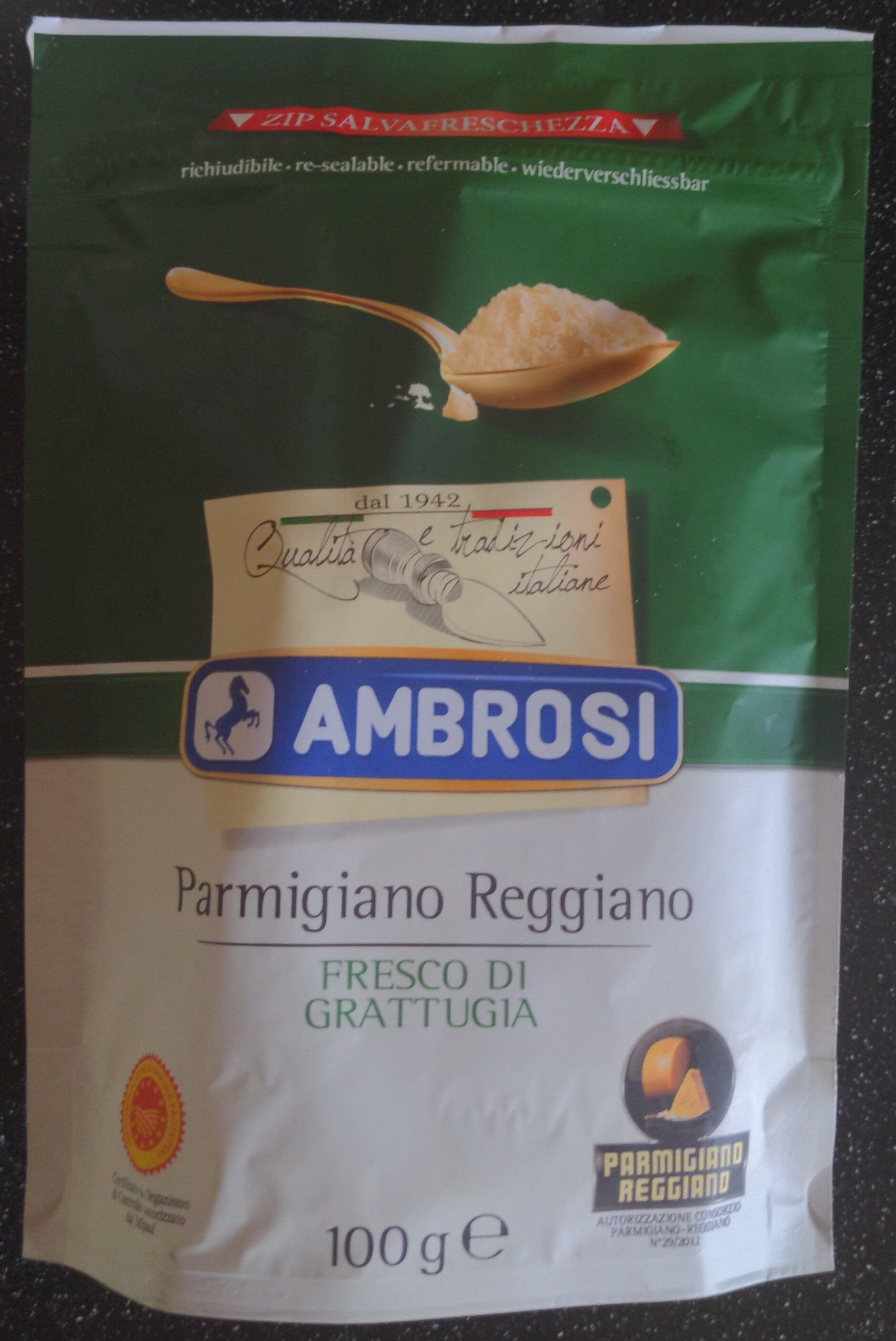
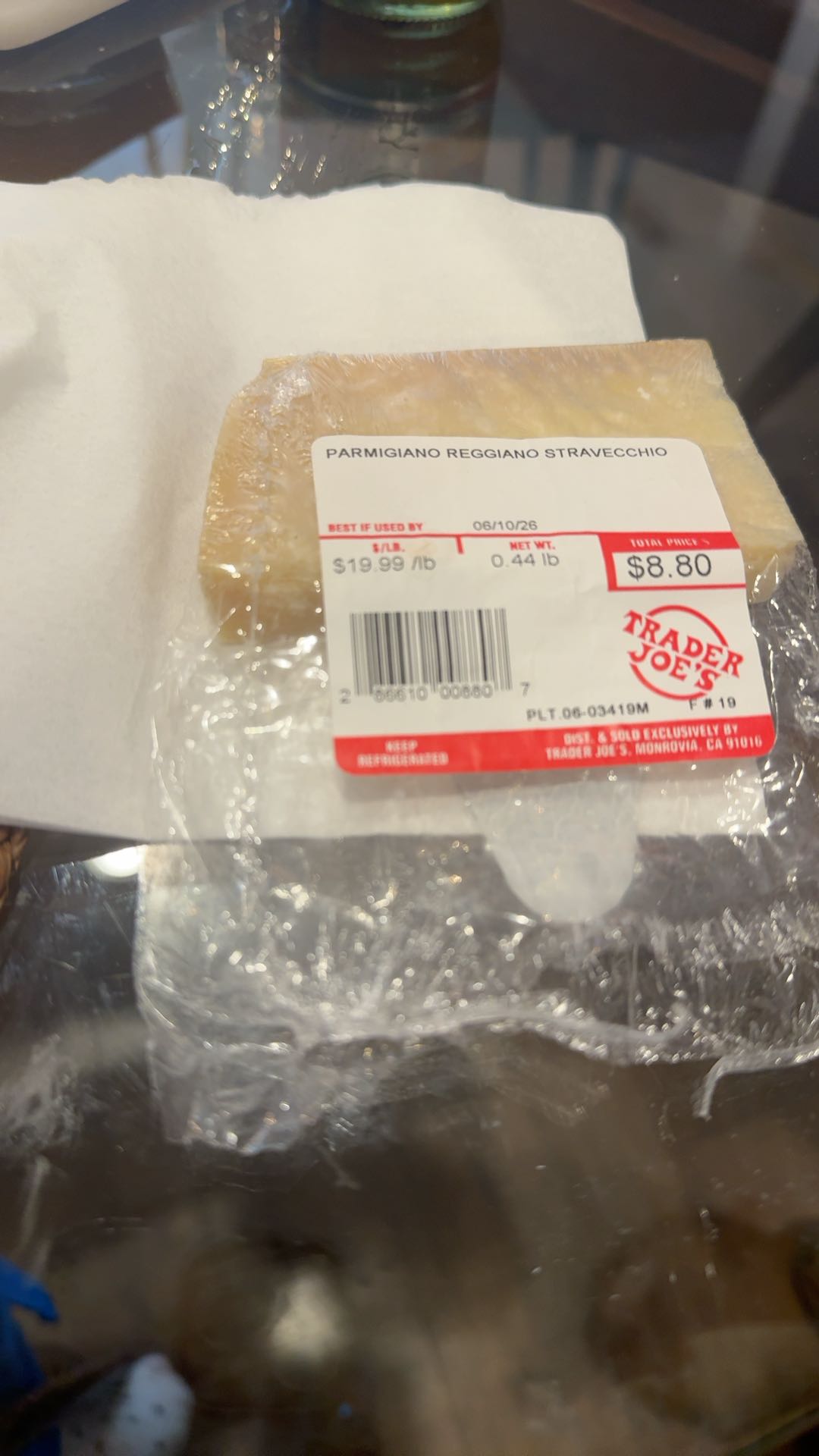


At a glance
Summary
This product is a processed cheese with a clean ingredient list, primarily composed of milk, salt, and rennet. It provides high-quality protein and essential nutrients with minimal additives, making it a healthier choice within its category. However, due to its processing level, the score is capped, despite the absence of harmful ingredients.
Key ingredients 4
MilkGood
Milk is a primary source of high-quality protein and essential nutrients like calcium. It is the foundational ingredient in cheese, providing a rich amino acid profile and supporting bone health. The use of milk in cheese production ensures a natural source of nutrients without excessive processing.
Benefits
Rich in protein and calcium, supporting muscle and bone health. Provides essential vitamins and minerals necessary for overall well-being.
RennetGood
Rennet is an enzyme used in cheese production to coagulate milk, forming curds. It is a traditional ingredient in cheese making, contributing to the texture and flavor development. The use of rennet is essential for producing authentic cheese varieties.
Benefits
Facilitates the cheese-making process, enhancing texture and flavor. Supports the production of traditional cheese varieties.
SaltNeutral
Salt is used in cheese making to enhance flavor and act as a preservative. It is a common ingredient in many processed foods, providing necessary sodium for bodily functions. However, excessive consumption can lead to health issues such as hypertension.
Risks
High sodium intake may contribute to increased blood pressure and cardiovascular issues.
Benefits
Essential for maintaining fluid balance and nerve function in the body.
30% Fat ContentNeutral
The fat content in cheese contributes to its creamy texture and rich flavor. While fat is an essential macronutrient, excessive intake can lead to weight gain and other health issues. The fat in cheese is primarily saturated, which should be consumed in moderation.
Risks
High intake of saturated fats may increase the risk of heart disease.
Benefits
Provides energy and supports the absorption of fat-soluble vitamins.
Processing
Processed Foods
Get the full breakdown in the Scout appTake Scout shopping
Scan any product to see lab results, healthy alternatives, and your personalized analysis.
Download on theApp Store GET IT ONGoogle Play