

Antica Erboristeria Dentifricio
Summary
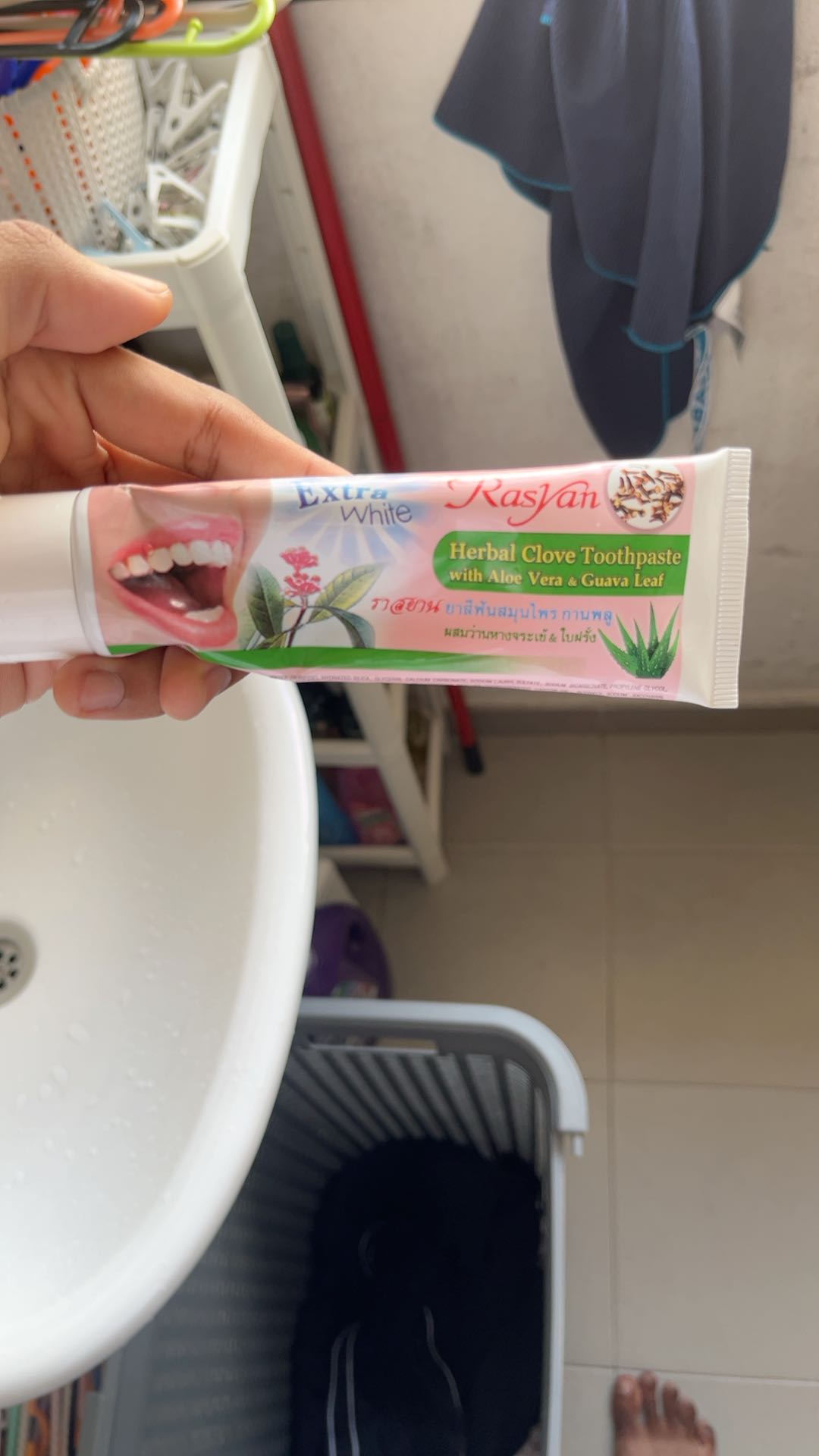
This toothpaste contains beneficial ingredients like sodium fluoride and zinc sulfate, which are effective in promoting oral health. However, the presence of artificial sweeteners such as sodium saccharin and synthetic compounds like trisodium phosphate raises concerns due to potential health risks and irritation. The product's processing level and inclusion of controversial ingredients limit its overall rating despite the presence of natural elements like sage and mint.
At a glance
Key ingredients 13
SorbitolNeutral
Sorbitol is a sugar alcohol used as a sweetener and humectant in toothpaste. It is produced through the hydrogenation of glucose, which is a common and safe process. Sorbitol is generally recognized as safe, but excessive consumption can lead to digestive issues.
Risks
Excessive use may cause gastrointestinal discomfort or laxative effects.
Benefits
Helps retain moisture in toothpaste, preventing it from drying out.
Hydrated SilicaNeutral
Hydrated silica is used as an abrasive agent to help remove plaque and stains from teeth. It is derived from silica, a natural mineral, and is processed to achieve the desired texture and abrasiveness. It is considered safe for use in oral care products.
Benefits
Effectively aids in cleaning teeth by removing surface stains and plaque.
Sodium FluorideGood
Sodium fluoride is a key ingredient in toothpaste for its ability to prevent dental cavities. It is a synthetic compound that strengthens tooth enamel and reduces the risk of tooth decay. Its effectiveness in oral health is well-documented and widely supported by dental professionals.
Risks
Excessive ingestion can lead to dental fluorosis, especially in children.
Benefits
Strengthens tooth enamel and helps prevent cavities.
Magnesium SulfateNeutral
Magnesium sulfate is used in toothpaste as a thickening agent and to provide texture. It is a naturally occurring mineral salt that is processed for purity and consistency. It does not have significant direct benefits or risks in oral care products.
Benefits
Contributes to the texture and consistency of the toothpaste.
Disodium PhosphateNeutral
Disodium phosphate is used as a buffering agent to maintain the pH balance in toothpaste. It is synthetically produced through the neutralization of phosphoric acid with sodium hydroxide. It helps stabilize the product but does not provide direct health benefits.
Benefits
Helps maintain the stability and pH balance of the toothpaste.
Sodium SaccharinBad
Sodium saccharin is an artificial sweetener used to enhance the flavor of toothpaste. It is synthesized through chemical processes and has been controversial due to potential health concerns. While deemed safe in small amounts, its artificial nature and lack of nutritional benefits are drawbacks.
Risks
May cause allergic reactions in sensitive individuals and has been linked to health concerns in high doses.
Benefits
Provides sweetness without contributing to tooth decay.
Zinc SulfateGood
Zinc sulfate is included in toothpaste for its antibacterial properties, which help reduce plaque and gingivitis. It is a mineral compound that is processed for purity and effectiveness in oral care. Its role in reducing oral bacteria makes it beneficial for dental health.
Risks
Excessive use can lead to nausea or stomach upset.
Benefits
Helps reduce plaque and gingivitis due to its antibacterial properties.
Trisodium PhosphateBad
Trisodium phosphate is used as a cleaning agent and pH stabilizer in toothpaste. It is a synthetic compound that can be harsh and is typically used in industrial cleaning products. Its presence in toothpaste is controversial due to potential irritation and health concerns.
Risks
May cause irritation to the oral mucosa and is considered harsh for regular use.
GlycerinGood
Glycerin is used in toothpaste as a humectant to prevent it from drying out. It is derived from plant oils through hydrolysis and is considered safe and effective. Its ability to retain moisture makes it a valuable ingredient in maintaining toothpaste consistency.
Benefits
Keeps toothpaste moist and prevents it from drying out.
Sodium ChlorideNeutral
Sodium chloride, or table salt, is used in toothpaste for its abrasive and flavor-enhancing properties. It is naturally occurring and minimally processed. While it does not provide significant health benefits, it contributes to the cleaning action of toothpaste.
Benefits
Enhances flavor and contributes to the abrasive action of toothpaste.
SageVery Good
Sage is a natural herb included for its antibacterial and anti-inflammatory properties. It is minimally processed and adds a natural element to the toothpaste. Its traditional use in oral care supports its inclusion for promoting gum health.
Benefits
Promotes gum health due to its antibacterial and anti-inflammatory properties.
MintVery Good
Mint is used in toothpaste for its refreshing flavor and potential antibacterial properties. It is derived from natural mint leaves and is minimally processed. Its pleasant taste and ability to freshen breath make it a popular choice in oral care products.
Benefits
Provides a refreshing flavor and helps freshen breath.
BicarbonateGood
Bicarbonate, commonly known as baking soda, is used for its mild abrasive properties and ability to neutralize acids. It is naturally occurring and minimally processed, making it a safe and effective ingredient in toothpaste. Its role in maintaining oral pH balance is well-regarded.
Benefits
Neutralizes acids and provides mild abrasive action to clean teeth.
Processing
Processed Foods
Get the full breakdown in the Scout app
Scan any product to see lab results, healthy alternatives, and your personalized analysis.
Download on theApp Store