
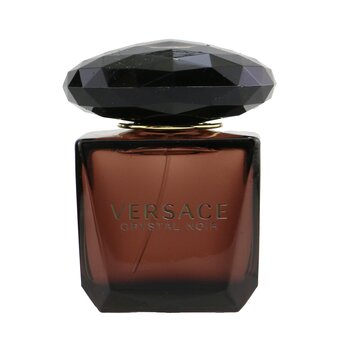

Versace Crystal Noir Eau de Toilette Perfume for Women, 1 Oz Mini & Travel Size
Analysis updated August 2026 · How Scout scores
At a glance
Summary
This perfume contains a blend of natural botanical extracts such as gardenia, peony, and sandalwood, which are generally considered safe. However, the product is classified as ultra-processed due to its complex formulation and potential synthetic additives used in fragrance production. The processing level limits its score despite the presence of natural ingredients.
Key ingredients 14
Black PepperGood
Beneficial ingredient — whole-food or functional value in this product class.
Risks
There are no significant risks associated with black pepper in perfumes.
Benefits
Black pepper provides a spicy note that adds depth to fragrance compositions.
GardeniaNeutral
Gardenia is often used for its pleasant fragrance in perfumes. It does not have significant known harmful effects in cosmetic applications.
Risks
There are no significant risks associated with gardenia in perfumes.
Benefits
Gardenia provides a floral scent that is appealing in fragrance products.
PeonyNeutral
Peony is used in perfumes for its floral fragrance. It is generally considered safe in cosmetic formulations.
Risks
There are no significant risks associated with peony in perfumes.
Benefits
Peony adds a delicate floral note to fragrance products.
AmberNeutral
Amber is used in perfumes for its warm, resinous scent. It is a common ingredient in fragrance formulations.
Risks
There are no significant risks associated with amber in perfumes.
Benefits
Amber provides a rich, warm scent that enhances the complexity of perfumes.
SandalwoodNeutral
Sandalwood is valued for its woody fragrance in perfumes. It is generally safe for use in cosmetic products.
Risks
There are no significant risks associated with sandalwood in perfumes.
Benefits
Sandalwood adds a smooth, woody aroma to fragrance products.
Orange BlossomNeutral
Orange blossom is used for its sweet, floral scent in perfumes. It is a common and safe ingredient in fragrance formulations.
Risks
There are no significant risks associated with orange blossom in perfumes.
Benefits
Orange blossom provides a fresh, floral note that is popular in perfumes.
NeroliNeutral
Neroli is used for its citrusy, floral fragrance in perfumes. It is considered safe for use in cosmetics.
Risks
There are no significant risks associated with neroli in perfumes.
Benefits
Neroli adds a bright, citrusy aroma to fragrance products.
BergamotNeutral
Bergamot is used for its fresh, citrus scent in perfumes. It is generally safe in cosmetic formulations.
Risks
There are no significant risks associated with bergamot in perfumes.
Benefits
Bergamot provides a refreshing citrus note that enhances fragrance complexity.
AngelicaNeutral
Angelica is used for its earthy, musky scent in perfumes. It is considered safe for use in cosmetics.
Risks
There are no significant risks associated with angelica in perfumes.
Benefits
Angelica adds a unique, earthy aroma to fragrance products.
SaffronNeutral
Saffron is used for its warm, exotic scent in perfumes. It is considered safe for use in cosmetics.
Risks
There are no significant risks associated with saffron in perfumes.
Benefits
Saffron adds a luxurious, exotic aroma to fragrance products.
CardamomNeutral
Cardamom is used for its spicy, sweet scent in perfumes. It is generally safe for use in cosmetic products.
Risks
There are no significant risks associated with cardamom in perfumes.
Benefits
Cardamom provides a spicy, sweet note that enhances fragrance complexity.
LadanumNeutral
Ladanum is used for its warm, resinous scent in perfumes. It is considered safe for use in cosmetics.
Risks
There are no significant risks associated with ladanum in perfumes.
Benefits
Ladanum adds a rich, resinous aroma to fragrance products.
Cashmere WoodNeutral
Cashmere wood is used for its soft, woody scent in perfumes. It is generally safe for use in cosmetic products.
Risks
There are no significant risks associated with cashmere wood in perfumes.
Benefits
Cashmere wood provides a soft, woody note that enhances fragrance compositions.
TobaccoNeutral
Tobacco is used for its warm, smoky scent in perfumes. It is considered safe for use in cosmetics.
Risks
There are no significant risks associated with tobacco in perfumes.
Benefits
Tobacco adds a rich, smoky aroma to fragrance products.
Processing
Ultra-Processed Foods
Get the full breakdown in the Scout appTake Scout shopping
Scan any product to see lab results, healthy alternatives, and your personalized analysis.
Download on theApp Store GET IT ONGoogle PlayAmazon pricing & content
Amazon price as of . Product prices and availability are accurate as of the date/time indicated and are subject to change. Any price and availability information displayed on Amazon.com at the time of purchase will apply to the purchase of this product.
CERTAIN CONTENT THAT APPEARS ON THIS SITE COMES FROM AMAZON. THIS CONTENT IS PROVIDED “AS IS” AND IS SUBJECT TO CHANGE OR REMOVAL AT ANY TIME.