
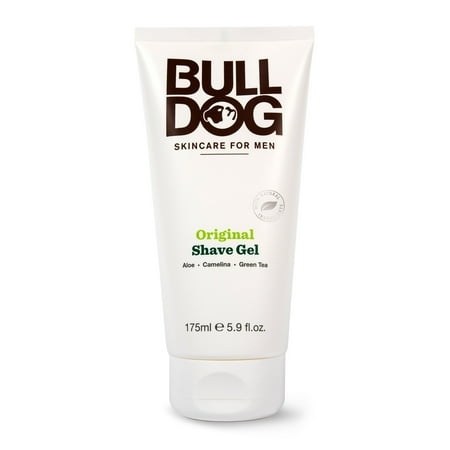


Bulldog Skincare for Men Original Shave Gel 5.9 Oz
Analysis updated August 2026 · How Scout scores
At a glance
Summary
This shave gel contains beneficial ingredients like aloe vera, glycerin, and green tea, which provide soothing, moisturizing, and antioxidant benefits. However, the presence of phenoxyethanol, a preservative that can cause irritation, slightly lowers its safety profile. The product is moderately processed, which also impacts its overall rating.
Key ingredients 9
Aloe Barbadensis Leaf JuiceVery Good
Aloe vera is known for its soothing and moisturizing properties. It is beneficial for calming irritated skin and providing hydration. It is a natural ingredient with a long history of safe use.
Risks
There are minimal risks associated with aloe vera, though some individuals may experience allergic reactions.
Benefits
Aloe vera provides soothing and hydrating benefits to the skin.
Green TeaVery Good
Green tea is known for its antioxidant properties, helping to protect the skin from environmental damage. It has anti-inflammatory effects and can soothe irritated skin. It is a beneficial botanical ingredient in skincare.
Risks
There are minimal risks associated with green tea.
Benefits
Provides antioxidant protection and soothes the skin.
GlycerinGood
Glycerin is a humectant that attracts moisture to the skin, helping to keep it hydrated. It is widely used in skincare for its moisturizing properties. It is considered safe and effective for most skin types.
Risks
There are minimal risks associated with glycerin.
Benefits
Glycerin helps maintain skin hydration and softness.
Coco-GlucosideGood
Coco-glucoside is a mild, non-ionic surfactant derived from coconut oil and glucose. It is used for its gentle cleansing properties and is biodegradable. It is suitable for sensitive skin.
Risks
There are minimal risks associated with coco-glucoside.
Benefits
Provides gentle cleansing without stripping natural oils.
Camelina OilGood
Camelina oil is rich in omega fatty acids and antioxidants, providing nourishment and protection to the skin. It is a natural oil that helps improve skin elasticity and hydration. It is considered beneficial for skin health.
Risks
There are minimal risks associated with camelina oil.
Benefits
Nourishes and protects the skin with essential fatty acids.
WaterNeutral
Water is a common solvent used in cosmetic formulations. It helps dissolve other ingredients and provides a base for the product. It does not have any direct benefits or risks.
Risks
There are no significant risks associated with water in cosmetics.
Benefits
Water helps in the application and spreadability of the product.
Cocamidopropyl BetaineNeutral
Cocamidopropyl betaine is a mild surfactant used to create foam and cleanse the skin. It is derived from coconut oil and is generally considered safe. However, it can cause irritation in some sensitive individuals.
Risks
Potential for skin irritation, especially in sensitive individuals.
Benefits
Helps in cleansing the skin without being overly harsh.
Acrylates/C10-30 Alkyl Acrylate CrosspolymerBad
Processed additive flagged under Scout's ingredient doctrine.
Risks
There are minimal risks, though some individuals may experience sensitivity.
Benefits
Improves product texture and stability.
PhenoxyethanolBad
Phenoxyethanol is a preservative used to prevent microbial growth in cosmetics. It is effective but can cause irritation and allergic reactions in some individuals. It is considered a moderate risk ingredient.
Risks
Potential for skin irritation and allergic reactions.
Benefits
Helps preserve the product by preventing microbial growth.
Processing
Processed Foods
Get the full breakdown in the Scout appTake Scout shopping
Scan any product to see lab results, healthy alternatives, and your personalized analysis.
Download on theApp Store GET IT ONGoogle PlayAmazon pricing & content
Amazon price as of . Product prices and availability are accurate as of the date/time indicated and are subject to change. Any price and availability information displayed on Amazon.com at the time of purchase will apply to the purchase of this product.
CERTAIN CONTENT THAT APPEARS ON THIS SITE COMES FROM AMAZON. THIS CONTENT IS PROVIDED “AS IS” AND IS SUBJECT TO CHANGE OR REMOVAL AT ANY TIME.