
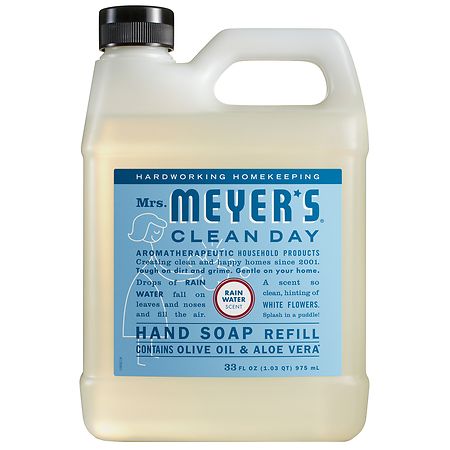
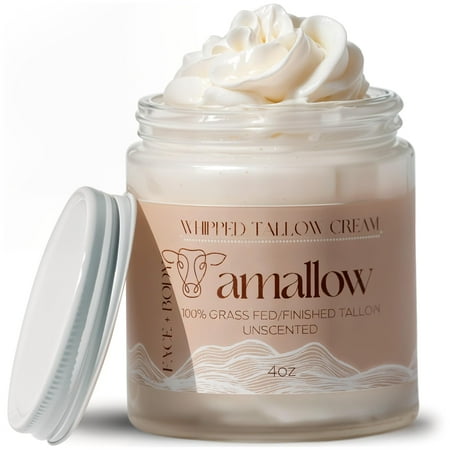

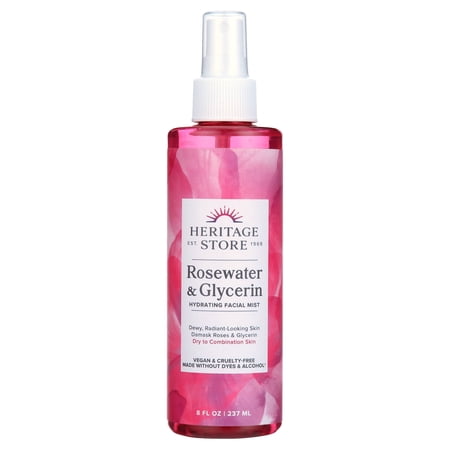
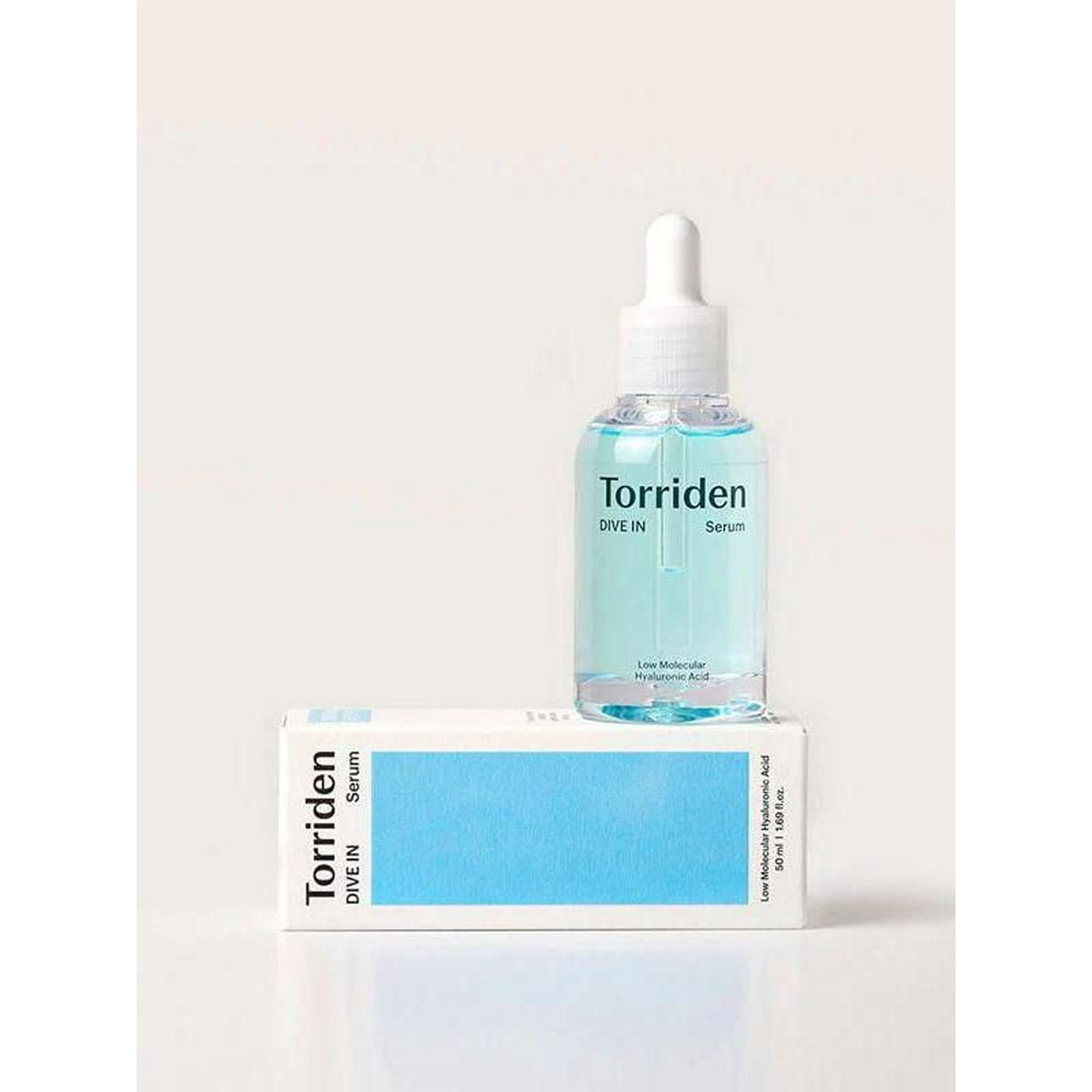
Mrs. Meyer s Clean Day Hand Soap Refill Rain Water Scent 33 Fl Oz
Analysis updated July 2026 · How Scout scores
At a glance
Summary
This hand soap contains synthetic fragrance, which can be a concern due to potential skin irritation and allergenic properties. However, it does not include harsh surfactants like SLS or SLES, which is a positive aspect. The product's formulation is moderately processed, with a mix of safe and less desirable ingredients, leading to a balanced score.
Key ingredients 14
Olea Europaea (Olive) Fruit OilVery Good
Olive oil is rich in antioxidants and beneficial fatty acids, making it excellent for moisturizing and nourishing the skin. It is a natural oil that supports skin barrier function. It is well-tolerated by most skin types.
Risks
Generally safe with minimal risk of irritation.
Benefits
Moisturizes and nourishes the skin with antioxidants.
Aloe Barbadensis Leaf JuiceVery Good
Aloe vera is known for its soothing and hydrating properties. It helps calm irritated skin and provides moisture. It is widely used in skincare for its beneficial effects.
Risks
Rarely causes allergic reactions.
Benefits
Soothes and hydrates the skin effectively.
GlycerinGood
Glycerin is a humectant that attracts moisture to the skin, helping to keep it hydrated. It is widely used in skincare for its moisturizing properties. It is considered safe and beneficial for most skin types.
Risks
Generally considered safe with minimal risk.
Benefits
Helps maintain skin hydration and softness.
Citrus Aurantium Bergamia (Bergamot) Fruit OilGood
Bergamot oil is used for its fragrance and potential antibacterial properties. It can enhance the scent of the product and provide a refreshing aroma. However, it can cause photosensitivity if not properly formulated.
Risks
May cause photosensitivity if exposed to sunlight.
Benefits
Provides a pleasant scent and potential antibacterial benefits.
Juniperus Virginiana (Cedarwood) OilGood
Cedarwood oil is known for its aromatic properties and potential skin benefits. It can help soothe and calm the skin. It is generally considered safe for use in cosmetics.
Risks
Rarely causes skin irritation.
Benefits
Offers soothing and calming effects on the skin.
WaterNeutral
Water is a common solvent used in cosmetic formulations. It helps dissolve other ingredients and provides a base for the product. It does not have any direct benefits or risks.
Risks
There are no inherent risks associated with water in cosmetic products.
Benefits
Water acts as a solvent and carrier for other ingredients.
Cocamidopropyl HydroxysultaineNeutral
Cocamidopropyl Hydroxysultaine is a surfactant and foam booster derived from coconut oil. It is generally considered mild and suitable for sensitive skin. However, it can cause irritation in some individuals.
Risks
Potential skin irritation for sensitive individuals.
Benefits
Provides gentle cleansing and foaming properties.
Sodium Methyl 2-SulfolaurateNeutral
Sodium Methyl 2-Sulfolaurate is a mild surfactant used for its cleansing properties. It is considered less irritating than traditional sulfates. It is generally safe for use in personal care products.
Risks
Minimal risk of irritation compared to harsher sulfates.
Benefits
Offers gentle cleansing without stripping natural oils.
Disodium 2-SulfolaurateNeutral
Disodium 2-Sulfolaurate is a surfactant used for its cleansing properties. It is considered mild and suitable for sensitive skin. It is generally safe for use in personal care products.
Risks
Minimal risk of irritation.
Benefits
Provides gentle cleansing action.
Citric AcidNeutral
Citric acid is used to adjust the pH of cosmetic products. It can also act as a mild exfoliant. It is generally safe when used in appropriate concentrations.
Risks
May cause irritation in high concentrations.
Benefits
Helps maintain product stability and pH balance.
Sodium ChlorideNeutral
Sodium chloride, or table salt, is used to thicken and stabilize formulations. It is generally considered safe in cosmetic products. It does not have significant benefits or risks at typical concentrations.
Risks
Minimal risk when used in standard amounts.
Benefits
Helps stabilize and thicken formulations.
Potassium SorbateBad
Synthetic preservative — flagged in daily-use products.
Risks
Rarely causes skin irritation.
Benefits
Prevents microbial growth and extends shelf life.
Sodium BenzoateBad
Synthetic preservative that can form benzene in the presence of vitamin C.
Risks
Minimal risk of irritation.
Benefits
Inhibits microbial growth and preserves product quality.
FragranceVery Bad
Fragrance is often a mixture of various chemicals used to impart scent. It can cause allergic reactions and skin irritation in sensitive individuals. The exact composition is usually not disclosed, leading to potential concerns.
Risks
Potential allergen and irritant for sensitive skin.
Benefits
Enhances the sensory experience of the product.
Get the full breakdown in the Scout appTake Scout shopping
Scan any product to see lab results, healthy alternatives, and your personalized analysis.
Download on theApp Store GET IT ONGoogle PlayAmazon pricing & content
Amazon price as of . Product prices and availability are accurate as of the date/time indicated and are subject to change. Any price and availability information displayed on Amazon.com at the time of purchase will apply to the purchase of this product.
CERTAIN CONTENT THAT APPEARS ON THIS SITE COMES FROM AMAZON. THIS CONTENT IS PROVIDED “AS IS” AND IS SUBJECT TO CHANGE OR REMOVAL AT ANY TIME.