


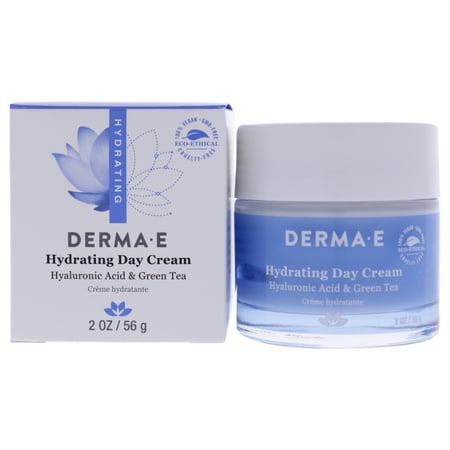

Neostrata Restore Ultra Moisturizing Face Cream 10 PHA 40g/1.4oz
Analysis updated October 2026 · How Scout scores
At a glance
Summary
This face cream contains beneficial ingredients like gluconolactone, macadamia seed oil, and evening primrose oil, which provide moisturizing and antioxidant benefits. However, the presence of triethanolamine, phenoxyethanol, and chlorphenesin, which can cause irritation and have potential toxicity concerns, affects its overall safety profile. The formulation includes both natural and synthetic components, leading to a moderate processing level.
Key ingredients 30
Macadamia Ternifolia Seed OilVery Good
Macadamia Ternifolia Seed Oil is a natural oil rich in fatty acids. It provides excellent moisturizing and emollient properties. It is beneficial for dry and sensitive skin types.
Risks
Generally considered safe with low risk of irritation.
Benefits
Moisturizes and nourishes the skin, improving hydration.
Tocopheryl (Vitamin E) AcetateVery Good
Tocopheryl Acetate is a form of Vitamin E that provides antioxidant benefits. It helps protect the skin from free radical damage and improves skin health. It is beneficial for maintaining youthful skin.
Risks
Generally considered safe with low risk of irritation.
Benefits
Provides antioxidant protection and improves skin health.
Oenothera Biennis (Evening Primrose) OilVery Good
Evening Primrose Oil is rich in essential fatty acids and provides excellent moisturizing properties. It helps soothe and nourish the skin, making it beneficial for dry and sensitive skin types. It is widely used for its skin-calming effects.
Risks
Generally considered safe with low risk of irritation.
Benefits
Moisturizes and soothes the skin, improving hydration.
GluconolactoneGood
Gluconolactone is a polyhydroxy acid (PHA) known for its gentle exfoliating properties. It helps improve skin texture and provides antioxidant benefits. It is suitable for sensitive skin types.
Risks
May cause mild irritation in very sensitive skin.
Benefits
Improves skin texture and provides antioxidant protection.
ArginineGood
Arginine is an amino acid that helps improve skin hydration and elasticity. It also has antioxidant properties that protect the skin from damage. It is beneficial for maintaining healthy skin.
Risks
Generally considered safe with low risk of irritation.
Benefits
Improves skin hydration and provides antioxidant protection.
GlycerinGood
Glycerin is a powerful humectant that attracts moisture to the skin. It helps maintain hydration and improves skin barrier function. It is widely used in skincare for its moisturizing benefits.
Risks
Generally considered safe with low risk of irritation.
Benefits
Attracts moisture and improves skin hydration.
Aqua (Water)Neutral
Water is a common solvent used in cosmetic formulations. It helps dissolve other ingredients and provides a base for the product. It does not have any direct benefits or risks.
Benefits
Provides a base for other ingredients to be effective.
Butylene GlycolNeutral
Butylene Glycol is a common humectant that helps retain moisture in the skin. It also acts as a solvent for other ingredients. It is generally considered safe for use in cosmetics.
Risks
May cause irritation in very sensitive skin types.
Benefits
Helps retain moisture and improves product texture.
Isocetyl StearateNeutral
Isocetyl Stearate is an emollient that helps to soften and smooth the skin. It is used to improve the texture and spreadability of the product. It is generally well-tolerated.
Risks
May cause mild irritation in sensitive individuals.
Benefits
Softens and smooths the skin, improving product texture.
Glyceryl StearateNeutral
Glyceryl Stearate is an emulsifier that helps blend water and oil components. It also acts as a skin conditioning agent. It is widely used in cosmetic formulations.
Risks
Generally considered safe with low risk of irritation.
Benefits
Helps blend ingredients and conditions the skin.
Peg-100 StearateNeutral
PEG-100 Stearate is an emulsifier that helps stabilize formulations. It is derived from stearic acid and polyethylene glycol. It is generally considered safe for use in cosmetics.
Risks
May cause irritation in very sensitive skin types.
Benefits
Stabilizes formulations and improves texture.
IsododecaneNeutral
Isododecane is a solvent that helps improve the spreadability of products. It evaporates quickly, leaving a smooth finish. It is commonly used in cosmetics for its lightweight feel.
Risks
Generally considered safe with low risk of irritation.
Benefits
Improves spreadability and provides a smooth finish.
CyclopentasiloxaneNeutral
Cyclopentasiloxane is a silicone that provides a silky, smooth feel to products. It helps improve spreadability and leaves a lightweight finish. It is generally considered safe for use in cosmetics.
Risks
May cause mild irritation in sensitive skin types.
Benefits
Provides a silky feel and improves spreadability.
Palmitic AcidNeutral
Palmitic Acid is a fatty acid that acts as an emollient and thickening agent. It helps to soften and smooth the skin. It is commonly used in skincare products.
Risks
Generally considered safe with low risk of irritation.
Benefits
Softens and smooths the skin, improving texture.
Stearic AcidNeutral
Stearic Acid is a fatty acid used as an emulsifier and thickener. It helps stabilize formulations and provides a smooth texture. It is widely used in cosmetics.
Risks
Generally considered safe with low risk of irritation.
Benefits
Stabilizes formulations and improves texture.
C12-15 Alkyl BenzoateNeutral
C12-15 Alkyl Benzoate is an emollient that provides a silky feel to the skin. It helps improve the spreadability of products. It is generally considered safe for use in cosmetics.
Risks
Generally considered safe with low risk of irritation.
Benefits
Provides a silky feel and improves product spreadability.
Diisostearyl MalateNeutral
Diisostearyl Malate is an emollient that provides a smooth, soft feel to the skin. It helps improve the texture and spreadability of products. It is generally considered safe for use in cosmetics.
Risks
Generally considered safe with low risk of irritation.
Benefits
Improves texture and provides a smooth feel.
Cetyl RicinoleateNeutral
Cetyl Ricinoleate is an emollient that helps soften and smooth the skin. It is used to improve the texture and spreadability of products. It is generally well-tolerated in cosmetic formulations.
Risks
Generally considered safe with low risk of irritation.
Benefits
Softens and smooths the skin, improving product texture.
Cetearyl AlcoholNeutral
Cetearyl Alcohol is a fatty alcohol used as an emollient and emulsifier. It helps stabilize formulations and provides a creamy texture. It is widely used in cosmetics for its conditioning properties.
Risks
Generally considered safe with low risk of irritation.
Benefits
Stabilizes formulations and conditions the skin.
CyclohexasiloxaneNeutral
Cyclohexasiloxane is a silicone that provides a silky, smooth feel to products. It helps improve spreadability and leaves a lightweight finish. It is generally considered safe for use in cosmetics.
Risks
May cause mild irritation in sensitive skin types.
Benefits
Provides a silky feel and improves spreadability.
Myristic AcidNeutral
Myristic Acid is a fatty acid used as an emulsifier and thickener. It helps stabilize formulations and provides a smooth texture. It is widely used in cosmetics.
Risks
Generally considered safe with low risk of irritation.
Benefits
Stabilizes formulations and improves texture.
Magnesium Aluminum SilicateNeutral
Magnesium Aluminum Silicate is a naturally occurring mineral used as a thickener and stabilizer. It helps improve the texture and consistency of products. It is generally considered safe for use in cosmetics.
Risks
Generally considered safe with low risk of irritation.
Benefits
Improves texture and stabilizes formulations.
Steareth-2Neutral
Steareth-2 is an emulsifier that helps blend water and oil components. It is used to stabilize formulations and improve texture. It is generally considered safe for use in cosmetics.
Risks
Generally considered safe with low risk of irritation.
Benefits
Stabilizes formulations and improves texture.
Xanthan GumNeutral
Xanthan Gum is a natural thickening agent that helps stabilize formulations. It provides a smooth texture and improves product consistency. It is widely used in cosmetics for its thickening properties.
Risks
Generally considered safe with low risk of irritation.
Benefits
Thickens and stabilizes formulations, improving texture.
Caprylyl GlycolNeutral
Caprylyl Glycol is a humectant and skin conditioning agent. It helps retain moisture and improves the texture of products. It is generally considered safe for use in cosmetics.
Risks
Generally considered safe with low risk of irritation.
Benefits
Retains moisture and conditions the skin.
TriethanolamineBad
Triethanolamine is used to adjust pH and stabilize emulsions. However, it can be irritating to the skin and eyes, and there are concerns about nitrosamine contamination. It is best used in low concentrations.
Risks
Potential skin and eye irritant; concerns about nitrosamine contamination.
Benefits
Helps stabilize emulsions and adjust pH.
DimethiconeBad
Occlusive silicone film-former — flagged under clean-beauty doctrine.
Risks
Generally considered safe with low risk of irritation.
Benefits
Smooths skin texture and reduces water loss.
Disodium EdtaBad
Processed additive flagged under Scout's ingredient doctrine.
Risks
Generally considered safe with low risk of irritation.
Benefits
Stabilizes formulations and improves product efficacy.
PhenoxyethanolBad
Phenoxyethanol is a preservative used to prevent microbial growth in products. However, it can be irritating to the skin and eyes, and there are concerns about its potential toxicity. It is best used in low concentrations.
Risks
Potential skin and eye irritant; concerns about toxicity.
Benefits
Prevents microbial growth, extending product shelf-life.
ChlorphenesinBad
Chlorphenesin is a preservative used to prevent microbial growth in cosmetics. It can cause skin irritation and allergic reactions in some individuals. It is best used in low concentrations to minimize risks.
Risks
Potential skin irritant and allergen.
Benefits
Prevents microbial growth, extending product shelf-life.
Get the full breakdown in the Scout appTake Scout shopping
Scan any product to see lab results, healthy alternatives, and your personalized analysis.
Download on theApp Store GET IT ONGoogle PlayAmazon pricing & content
Amazon price as of . Product prices and availability are accurate as of the date/time indicated and are subject to change. Any price and availability information displayed on Amazon.com at the time of purchase will apply to the purchase of this product.
CERTAIN CONTENT THAT APPEARS ON THIS SITE COMES FROM AMAZON. THIS CONTENT IS PROVIDED “AS IS” AND IS SUBJECT TO CHANGE OR REMOVAL AT ANY TIME.