

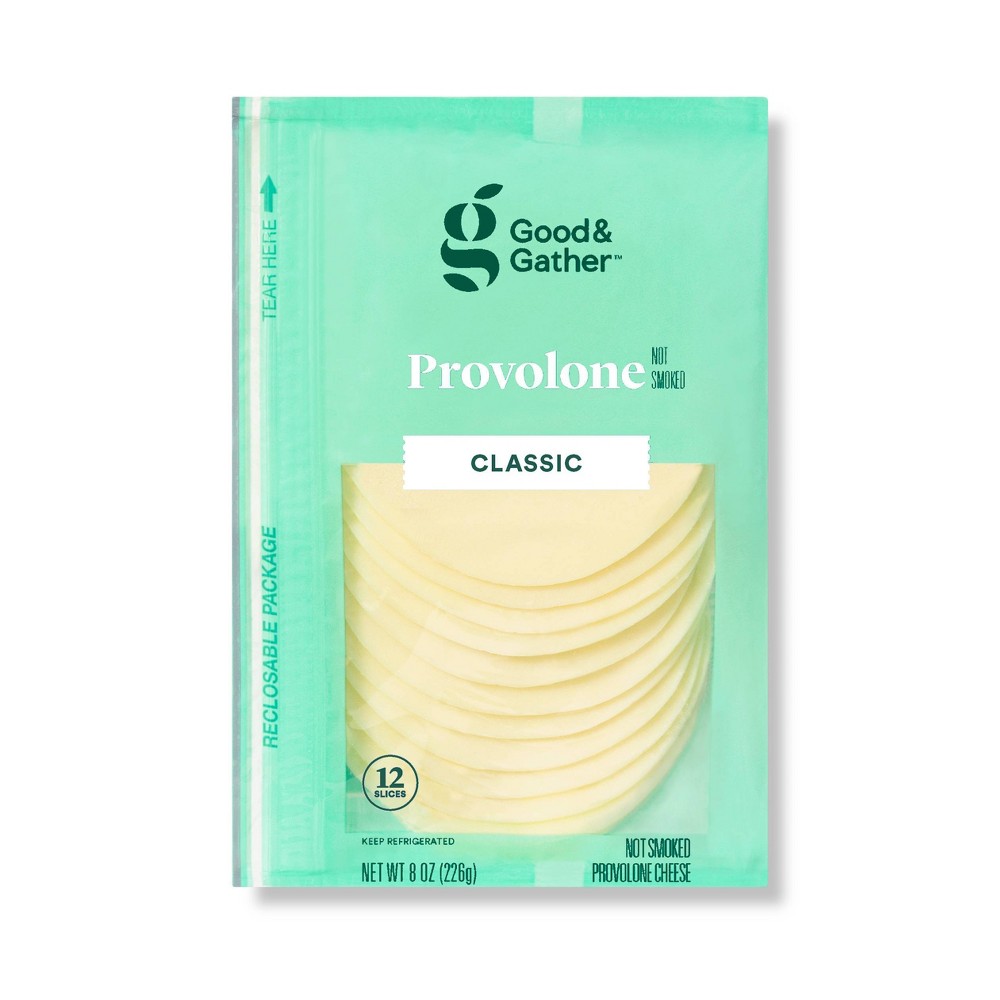


Italian Dry Salame & Smoked Provolone Cheese
Analysis updated July 2026 · How Scout scores
At a glance
Summary
This product is ultra-processed, which limits its potential health benefits despite containing high-quality ingredients like pork and milk. The presence of preservatives such as potassium nitrate and sodium nitrate raises health concerns due to their potential to form harmful compounds. While the cheese component provides beneficial nutrients, the overall processing level and use of additives necessitate a cautious approach.
Key ingredients 12
PorkGood
Pork is a high-quality source of protein and essential nutrients. It provides a rich amino acid profile beneficial for muscle maintenance and growth. When sourced from well-raised animals, it can be a nutritious component of a balanced diet.
Risks
Potential risks include high saturated fat content and the presence of nitrates if not properly sourced.
Benefits
Rich in protein and essential vitamins such as B12 and zinc, supporting overall health and energy metabolism.
Sea SaltGood
Sea salt is a minimally processed source of sodium and trace minerals. It enhances flavor without the additives found in refined salts. Its natural mineral content can contribute to electrolyte balance.
Risks
Excessive consumption can lead to high blood pressure and related health issues.
Benefits
Provides essential minerals and helps maintain fluid balance in the body.
SpicesGood
Whole-food seasonings, antioxidant-bearing.
Benefits
May provide antioxidants and enhance the flavor profile of foods.
MilkGood
Milk is a primary ingredient in cheese, providing essential nutrients like calcium and protein. It supports bone health and muscle function. When sourced from high-quality dairy, it can be a nutritious part of the diet.
Risks
Potential allergen for those with lactose intolerance or milk allergies.
Benefits
Rich in calcium and protein, supporting bone health and muscle maintenance.
RennetGood
Beneficial ingredient — whole-food or functional value in this product class.
Benefits
Crucial for cheese production, aiding in milk coagulation.
Sodium AscorbateNeutral
Sodium ascorbate is a form of vitamin C used as a preservative and antioxidant. It helps maintain color and freshness in processed meats. It is generally recognized as safe when used in moderation.
Benefits
Acts as an antioxidant and can contribute to vitamin C intake.
Lactic Acid Starter CultureNeutral
Lactic acid starter culture is used in fermentation to develop flavor and texture in cheese and cured meats. It promotes beneficial bacterial growth and enhances preservation. It is a natural component of traditional cheese-making processes.
Benefits
Supports fermentation and contributes to flavor development.
SaltNeutral
Salt is used for flavor enhancement and preservation in cheese. It is essential for taste but should be consumed in moderation to avoid health issues. It is a common ingredient in processed foods.
Risks
Excessive intake can lead to high blood pressure and cardiovascular issues.
Benefits
Enhances flavor and acts as a preservative.
Bacterial CultureNeutral
Bacterial culture is used in cheese-making to develop flavor and texture. It promotes the growth of beneficial bacteria and is a natural part of the fermentation process. It is essential for the production of many traditional cheeses.
Benefits
Supports fermentation and enhances flavor development in cheese.
DextroseBad
Refined added sugar.
Risks
Excessive intake can contribute to weight gain and blood sugar spikes.
Benefits
Provides a quick source of energy, useful in small amounts for physical activity.
Potassium NitrateBad
Potassium nitrate is used as a preservative and curing agent in processed meats. It helps prevent bacterial growth but can form nitrosamines, which are potential carcinogens, during cooking. Its use is regulated due to health concerns.
Risks
Potential formation of nitrosamines, which are linked to cancer risk.
Benefits
Effective in preserving meat and preventing spoilage.
Sodium NitrateBad
Sodium nitrate is a preservative that helps maintain color and prevent spoilage in cured meats. It can convert to nitrosamines, which are associated with cancer risk, especially when meats are cooked at high temperatures. Its use is closely monitored due to these health concerns.
Risks
Linked to the formation of nitrosamines, which may increase cancer risk.
Benefits
Prevents bacterial growth and extends shelf life of cured meats.
Processing
Ultra-Processed Foods
Get the full breakdown in the Scout appTake Scout shopping
Scan any product to see lab results, healthy alternatives, and your personalized analysis.
Download on theApp Store GET IT ONGoogle Play