
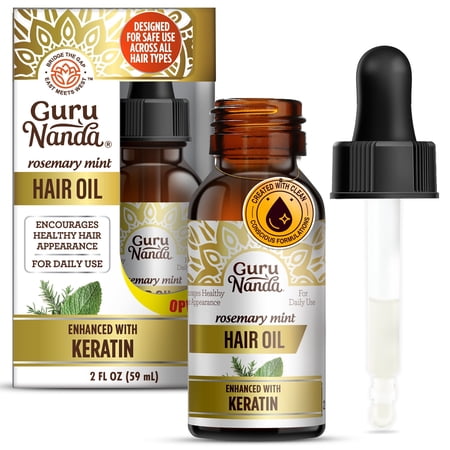
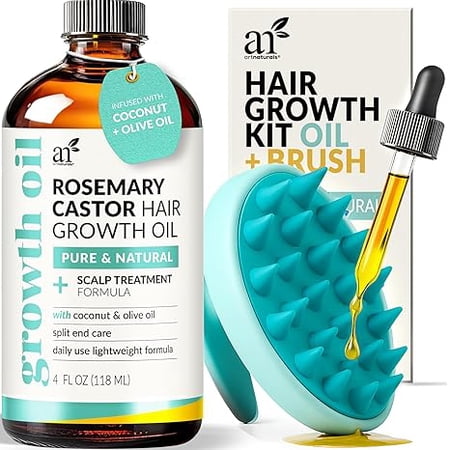
GuruNanda Rosemary Mint Hair Oil -Travel Size - For All Hair Types - 2oz
Summary
This hair oil contains several beneficial natural oils like castor, coconut, and rice bran oil, which are known for their nourishing and moisturizing properties. However, the presence of 1-Chloronaphthalene, a synthetic compound with potential toxicity concerns, impacts the overall safety profile. The product is processed, which limits its maximum potential score, but the use of mostly natural ingredients helps maintain a moderate rating.
At a glance
Key ingredients 32
Soybean OilGood
Soybean oil is a natural oil that provides moisturizing properties for hair. It is typically extracted through cold pressing, preserving its nutrient content. It is rich in omega-3 fatty acids which can enhance hair health.
Risks
High omega-6 content may promote inflammation when consumed in excess.
Benefits
Rich in omega-3 fatty acids that can improve hair texture and shine.
Castor OilVery Good
Castor oil is known for its ability to promote hair growth and thickness. It is extracted from castor seeds and is often cold-pressed to retain its beneficial properties. Its high ricinoleic acid content helps nourish the scalp.
Benefits
Promotes hair growth and improves scalp health due to its high ricinoleic acid content.
Coconut OilVery Good
Coconut oil is a highly beneficial natural oil for hair care, known for its deep conditioning properties. It is usually extracted through cold pressing, which helps retain its lauric acid content. It penetrates the hair shaft to reduce protein loss.
Benefits
Deeply conditions hair and reduces protein loss, enhancing hair strength and shine.
Equisetum Arvense TopGood
Equisetum arvense, or horsetail, is used for its silica content which strengthens hair. It is typically dried and powdered for use in hair products. Silica helps improve hair texture and resilience.
Benefits
Rich in silica, which strengthens hair and improves its texture.
Pogostemon Cablin Leaf OilGood
Pogostemon cablin leaf oil, also known as patchouli oil, is used for its soothing and anti-inflammatory properties. It is steam distilled from the leaves, preserving its aromatic compounds. It can help calm scalp irritation.
Benefits
Soothes scalp irritation and provides anti-inflammatory benefits.
Silicon DioxideNeutral
Silicon dioxide is used as an anti-caking agent in cosmetic formulations. It is a naturally occurring mineral that is processed to a fine powder. It does not provide direct benefits to hair health.
See more about Silicon Dioxide →Rice Bran OilGood
Rice bran oil is valued for its moisturizing and antioxidant properties. It is extracted from the outer layer of rice grains and is rich in vitamin E and fatty acids. It helps protect hair from environmental damage.
Benefits
Moisturizes hair and provides antioxidant protection due to its vitamin E content.
GlycerinGood
Glycerin is a humectant that attracts moisture to the hair, improving hydration. It is typically derived from plant oils through hydrolysis. It helps maintain hair moisture balance.
Benefits
Attracts moisture to the hair, enhancing hydration and softness.
Ocimum Gratissimum Leaf OilGood
Ocimum gratissimum leaf oil, also known as basil oil, is used for its antimicrobial and soothing properties. It is steam distilled from the leaves, retaining its essential oils. It can help maintain a healthy scalp environment.
Benefits
Provides antimicrobial benefits and soothes the scalp.
Vitamin A PalmitateGood
Vitamin A palmitate is a form of vitamin A used for its antioxidant properties. It is synthesized for stability and effectiveness in formulations. It helps protect hair from oxidative stress.
Benefits
Acts as an antioxidant, protecting hair from oxidative damage.
Ascorbic AcidGood
Ascorbic acid, or vitamin C, is used for its antioxidant properties in hair care. It is typically synthesized for stability in formulations. It helps protect hair from environmental damage.
Benefits
Provides antioxidant protection, reducing environmental damage to hair.
1-ChloronaphthaleneBad
1-Chloronaphthalene is a synthetic compound used as a solvent in some formulations. It is not naturally derived and may pose environmental concerns. Its use in cosmetics is limited due to potential toxicity.
Risks
Potential toxicity and environmental concerns associated with its use.
Urtica Dioica LeafGood
Urtica dioica, or nettle leaf, is used for its anti-inflammatory and hair-strengthening properties. It is typically dried and powdered for use in hair products. It helps improve scalp health and hair strength.
Benefits
Strengthens hair and improves scalp health due to its anti-inflammatory properties.
Almond OilVery Good
Almond oil is a nourishing oil rich in vitamins and fatty acids. It is extracted from almonds through cold pressing, preserving its nutrient content. It deeply moisturizes and conditions hair.
Benefits
Deeply moisturizes hair and provides essential nutrients for hair health.
Alpha-Tocopherol AcetateGood
Alpha-tocopherol acetate is a form of vitamin E used for its antioxidant properties. It is synthesized for stability in cosmetic formulations. It helps protect hair from oxidative damage.
Benefits
Acts as an antioxidant, protecting hair from oxidative stress.
BiotinVery Good
Biotin is a B-vitamin known for its role in promoting hair health and growth. It is often included in hair care products to strengthen hair and improve its resilience. It supports keratin production, enhancing hair structure.
Benefits
Promotes hair growth and strengthens hair by supporting keratin production.
Arctium Lappa Root OilGood
Arctium lappa root oil, or burdock root oil, is used for its scalp-soothing and hair-strengthening properties. It is extracted from the roots and is rich in phytosterols. It helps improve scalp health and hair resilience.
Benefits
Soothes the scalp and strengthens hair due to its phytosterol content.
Safflower OilGood
Safflower oil is a natural oil used for its moisturizing properties. It is extracted from safflower seeds and is rich in linoleic acid. It helps maintain hair moisture and improve texture.
Benefits
Moisturizes hair and improves texture due to its linoleic acid content.
Isotachysterol 3Neutral
Isotachysterol 3 is a synthetic compound used in some cosmetic formulations. It is not naturally derived and its specific role in hair care is not well-documented. It does not provide direct benefits to hair health.
Aloe Vera FlowerGood
Aloe vera flower is used for its soothing and moisturizing properties. It is typically extracted from the aloe plant and retains its beneficial polysaccharides. It helps soothe the scalp and hydrate hair.
Benefits
Soothes the scalp and hydrates hair due to its polysaccharide content.
Sage OilGood
Sage oil is used for its antimicrobial and anti-inflammatory properties. It is steam distilled from sage leaves, preserving its essential oils. It helps maintain a healthy scalp environment.
Benefits
Provides antimicrobial benefits and soothes the scalp.
Rosemary OilVery Good
Rosemary oil is known for its ability to stimulate hair growth and improve circulation. It is steam distilled from rosemary leaves, retaining its active compounds. It enhances scalp health and promotes hair growth.
Benefits
Stimulates hair growth and improves scalp circulation.
Mentha Piperita LeafGood
Mentha piperita leaf, or peppermint leaf, is used for its cooling and soothing properties. It is typically dried and powdered for use in hair products. It helps soothe scalp irritation and provides a refreshing sensation.
Benefits
Soothes scalp irritation and provides a refreshing sensation.
Jojoba OilVery Good
Jojoba oil is a natural oil that closely resembles the skin's sebum, making it an excellent moisturizer. It is extracted from jojoba seeds through cold pressing, preserving its beneficial properties. It helps balance scalp oil production and moisturize hair.
Benefits
Balances scalp oil production and deeply moisturizes hair.
Eucalyptus Globulus LeafGood
Eucalyptus globulus leaf is used for its antimicrobial and refreshing properties. It is typically dried and powdered for use in hair products. It helps maintain a healthy scalp environment and provides a refreshing sensation.
Benefits
Provides antimicrobial benefits and a refreshing sensation.
Tea Tree OilVery Good
Tea tree oil is renowned for its antimicrobial and anti-inflammatory properties. It is steam distilled from tea tree leaves, retaining its active compounds. It helps treat scalp conditions and maintain a healthy scalp environment.
Benefits
Treats scalp conditions and maintains a healthy scalp environment.
Lavender OilVery Good
Lavender oil is used for its calming and antimicrobial properties. It is steam distilled from lavender flowers, preserving its essential oils. It helps soothe the scalp and promote relaxation.
Benefits
Soothes the scalp and promotes relaxation due to its calming properties.
Wheat Germ OilGood
Wheat germ oil is rich in vitamins and fatty acids, providing nourishment to hair. It is extracted from wheat germ through cold pressing, preserving its nutrient content. It helps strengthen hair and improve its texture.
Benefits
Nourishes hair and improves texture due to its vitamin and fatty acid content.
Evening Primrose OilGood
Evening primrose oil is used for its moisturizing and anti-inflammatory properties. It is extracted from evening primrose seeds and is rich in gamma-linolenic acid. It helps soothe the scalp and improve hair moisture.
Benefits
Moisturizes hair and soothes the scalp due to its gamma-linolenic acid content.
Grape Seed OilGood
Grape seed oil is a lightweight oil used for its moisturizing properties. It is extracted from grape seeds and is rich in linoleic acid. It helps condition hair without weighing it down.
Benefits
Conditions hair and improves moisture without adding weight.
Benzyl NicotinateNeutral
Benzyl nicotinate is a synthetic compound used to enhance blood circulation in the scalp. It is not naturally derived and is used in small amounts in formulations. It does not provide direct benefits to hair health.
See more about Benzyl Nicotinate →Celery SeedNeutral
Celery seed is used for its potential antioxidant properties in hair care. It is typically dried and powdered for use in formulations. Its specific benefits for hair health are not well-documented.
Processing
Processed Foods
Get the full breakdown in the Scout app
Scan any product to see lab results, healthy alternatives, and your personalized analysis.
Download on theApp Store