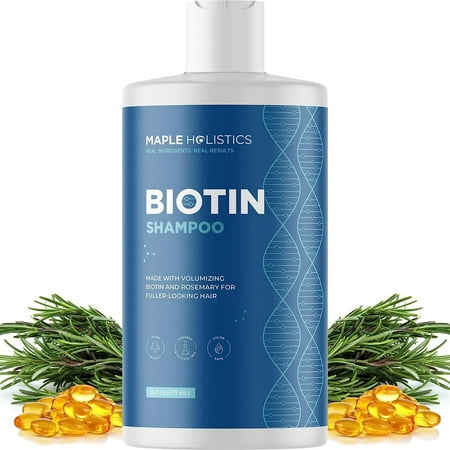
Tea Tree Oil Shampoo Sulfate Free - Deep Cleansing Vegan Tea Tree Shampoo for Oily Hair and Scalp - Daily Clarifying Shampoo for Build up with Rosemary Essential Oil for All Hair Types 25 Fl Oz

At a glance
Summary
This shampoo features a sulfate-free formula with gentle coconut-derived surfactants like sodium cocoyl isethionate and coco-glucoside, which are known for their mild cleansing properties. It is enriched with beneficial ingredients such as tea tree oil, rosemary oil, and jojoba oil, which support scalp health and provide nourishment. The absence of harsh chemicals like SLS, parabens, and silicones contributes to its high rating, making it a clean and effective choice for hair care. Its plastic packaging can shed microplastics into the product and lowers its score.
Key ingredients 26
Sodium Cocoyl IsethionateVery Good
Sodium Cocoyl Isethionate is a gentle surfactant derived from coconut oil. It is known for its mildness and ability to cleanse without stripping natural oils. It is often used in sulfate-free formulations for its gentle cleansing properties.
Risks
There are minimal risks associated with this ingredient, making it suitable for sensitive skin.
Benefits
It provides a gentle cleansing action and helps maintain the natural moisture balance of the scalp.
Lauryl GlucosideVery Good
Lauryl Glucoside is a non-ionic surfactant derived from glucose and coconut oil. It is known for its mildness and ability to cleanse without stripping natural oils. It is often used in formulations for sensitive skin due to its gentle nature.
Risks
There are minimal risks associated with this ingredient.
Benefits
It provides gentle cleansing and is suitable for sensitive skin.
Coco-GlucosideVery Good
Coco-Glucoside is a mild, non-ionic surfactant derived from coconut oil and glucose. It is known for its gentle cleansing properties and ability to produce a stable foam. It is suitable for sensitive skin and helps to maintain the natural moisture balance.
Risks
There are minimal risks associated with this ingredient.
Benefits
It provides gentle cleansing and helps maintain moisture balance.
Melaleuca Alternifolia (Tea Tree) Leaf OilVery Good
Tea Tree Oil is known for its antimicrobial and anti-inflammatory properties. It helps to cleanse the scalp and reduce dandruff, making it a popular ingredient in hair care products. It is often used for its soothing and purifying effects.
Risks
In rare cases, it may cause irritation in sensitive individuals.
Benefits
It provides antimicrobial benefits and helps reduce dandruff.
Simmondsia Chinensis (Jojoba) Seed OilVery Good
Jojoba Oil is known for its moisturizing and conditioning properties. It helps to improve the texture and manageability of hair. It is often used in formulations to enhance shine and reduce dryness.
Risks
There are minimal risks associated with this ingredient.
Benefits
It provides moisture and improves hair texture and manageability.
Argania Spinosa (Argan) Kernel OilVery Good
Argan Oil is known for its moisturizing and conditioning properties. It helps to improve the texture and manageability of hair. It is often used in formulations to enhance shine and reduce frizz.
Risks
There are minimal risks associated with this ingredient.
Benefits
It provides moisture and improves hair texture and shine.
Sodium LauroamphoacetateGood
Sodium Lauroamphoacetate is a mild amphoteric surfactant that helps to cleanse and condition the hair. It is known for its ability to reduce irritation potential in formulations. It is often used in products for sensitive skin due to its mild nature.
Risks
There are minimal risks associated with this ingredient.
Benefits
It provides gentle cleansing and conditioning, making it ideal for sensitive scalps.
Sodium Methyl Cocoyl TaurateGood
Sodium Methyl Cocoyl Taurate is a mild surfactant derived from coconut oil. It is known for its gentle cleansing properties and ability to produce a creamy lather. It is often used in sulfate-free formulations for its mildness.
Risks
There are minimal risks associated with this ingredient.
Benefits
It provides a creamy lather and gentle cleansing, suitable for sensitive skin.
Sodium Lauryl Glucoside CarboxylateGood
Sodium Lauryl Glucoside Carboxylate is a mild surfactant derived from glucose and coconut oil. It is used for its gentle cleansing properties and ability to produce a stable foam. It is suitable for sensitive skin and helps to maintain the natural moisture balance.
Risks
There are minimal risks associated with this ingredient.
Benefits
It provides gentle cleansing and helps maintain moisture balance.
Sodium Cocoyl GlutamateGood
Sodium Cocoyl Glutamate is a mild surfactant derived from coconut oil and glutamic acid. It is known for its gentle cleansing properties and ability to maintain the skin's natural moisture balance. It is often used in formulations for sensitive skin.
Risks
There are minimal risks associated with this ingredient.
Benefits
It provides gentle cleansing and helps maintain moisture balance.
Glyceryl OleateGood
Glyceryl Oleate is an emulsifier and conditioning agent derived from natural oils. It helps to improve the texture of the product and provides conditioning benefits to the hair. It is often used in formulations to enhance the feel and manageability of hair.
Risks
There are minimal risks associated with this ingredient.
Benefits
It provides conditioning benefits and improves hair manageability.
GlycerinGood
Glycerin is a humectant that helps to attract and retain moisture in the hair and scalp. It is known for its hydrating properties and ability to improve the overall feel of the hair. It is often used in formulations to enhance moisture retention.
Risks
There are minimal risks associated with this ingredient.
Benefits
It provides hydration and improves moisture retention in hair.
Rosmarinus Officinalis (Rosemary) Leaf OilGood
Rosemary Oil is known for its stimulating and antioxidant properties. It helps to improve scalp circulation and promote healthy hair growth. It is often used in formulations for its invigorating and refreshing effects.
Risks
In rare cases, it may cause irritation in sensitive individuals.
Benefits
It promotes healthy hair growth and improves scalp circulation.
Sodium PCAGood
Sodium PCA is a humectant that helps to attract and retain moisture in the hair and scalp. It is known for its hydrating properties and ability to improve the overall feel of the hair. It is often used in formulations to enhance moisture retention.
Risks
There are minimal risks associated with this ingredient.
Benefits
It provides hydration and improves moisture retention in hair.
D-PanthenolGood
D-Panthenol, also known as provitamin B5, is known for its moisturizing and conditioning properties. It helps to improve the texture and manageability of hair. It is often used in formulations to enhance shine and reduce split ends.
Risks
There are minimal risks associated with this ingredient.
Benefits
It provides moisture and improves hair manageability and shine.
Hydrolyzed Corn ProteinGood
Hydrolyzed Corn Protein is known for its strengthening and conditioning properties. It helps to improve the elasticity and resilience of hair. It is often used in formulations to enhance the overall health and appearance of hair.
Risks
There are minimal risks associated with this ingredient.
Benefits
It strengthens hair and improves elasticity and resilience.
Hydrolyzed Wheat ProteinGood
Hydrolyzed Wheat Protein is known for its strengthening and conditioning properties. It helps to improve the texture and manageability of hair. It is often used in formulations to enhance shine and reduce breakage.
Risks
There are minimal risks associated with this ingredient.
Benefits
It strengthens hair and improves texture and manageability.
Hydrolyzed Soy ProteinGood
Hydrolyzed Soy Protein is known for its strengthening and conditioning properties. It helps to improve the texture and manageability of hair. It is often used in formulations to enhance shine and reduce breakage.
Risks
There are minimal risks associated with this ingredient.
Benefits
It strengthens hair and improves texture and manageability.
Lavandula Officinalis (Lavender) Flower OilGood
Lavender Oil is known for its soothing and calming properties. It helps to improve scalp health and promote relaxation. It is often used in formulations for its pleasant fragrance and calming effects.
Risks
In rare cases, it may cause irritation in sensitive individuals.
Benefits
It soothes the scalp and provides a calming fragrance.
WaterNeutral
Water is a common solvent used in cosmetic formulations. It helps to dissolve other ingredients and provides a base for the product. It does not have any direct benefits or risks associated with its use in shampoos.
Risks
There are no known risks associated with water in cosmetic formulations.
Benefits
Water acts as a solvent and helps in the even distribution of other ingredients.
Cocamidopropyl BetaineNeutral
Standard formulation ingredient — neither beneficial nor harmful at typical use.
Risks
In rare cases, it may cause irritation in sensitive individuals.
Benefits
It enhances foam and provides gentle cleansing, making it suitable for daily use.
Caprylhydroxamic AcidNeutral
Caprylhydroxamic Acid is a preservative used to prevent microbial growth in cosmetic formulations. It is effective in maintaining product stability and safety. It does not have any direct benefits or risks associated with its use in shampoos.
Risks
There are no known risks associated with this ingredient in cosmetic formulations.
Benefits
It helps maintain product stability and safety.
Glyceryl CaprylateNeutral
Glyceryl Caprylate is an emulsifier and skin conditioning agent derived from natural oils. It helps to improve the texture of the product and provides mild conditioning benefits. It does not have any direct benefits or risks associated with its use in shampoos.
Risks
There are no known risks associated with this ingredient in cosmetic formulations.
Benefits
It improves product texture and provides mild conditioning.
Glycol DistearateNeutral
Glycol Distearate is used as a pearlizing agent and thickener in cosmetic formulations. It helps to improve the appearance and texture of the product. It does not have any direct benefits or risks associated with its use in shampoos.
Risks
There are no known risks associated with this ingredient in cosmetic formulations.
Benefits
It improves product appearance and texture.
Laureth-4Neutral
Laureth-4 is used as an emulsifier and surfactant in cosmetic formulations. It helps to stabilize the product and improve its texture. It does not have any direct benefits or risks associated with its use in shampoos.
Risks
There are no known risks associated with this ingredient in cosmetic formulations.
Benefits
It stabilizes the product and improves texture.
Acrylates CopolymerBad
Processed additive flagged under Scout's ingredient doctrine.
Risks
There are no known risks associated with this ingredient in cosmetic formulations.
Benefits
It improves product texture and stability.
Get the full breakdown in the Scout appTake Scout shopping
Scan any product to see lab results, healthy alternatives, and your personalized analysis.
Are you Maple Holistics? Fix an error Get the badge Get tested
Amazon pricing & content
Amazon price as of . Product prices and availability are accurate as of the date/time indicated and are subject to change. Any price and availability information displayed on Amazon.com at the time of purchase will apply to the purchase of this product.
CERTAIN CONTENT THAT APPEARS ON THIS SITE COMES FROM AMAZON. THIS CONTENT IS PROVIDED “AS IS” AND IS SUBJECT TO CHANGE OR REMOVAL AT ANY TIME.