


At a glance
Summary
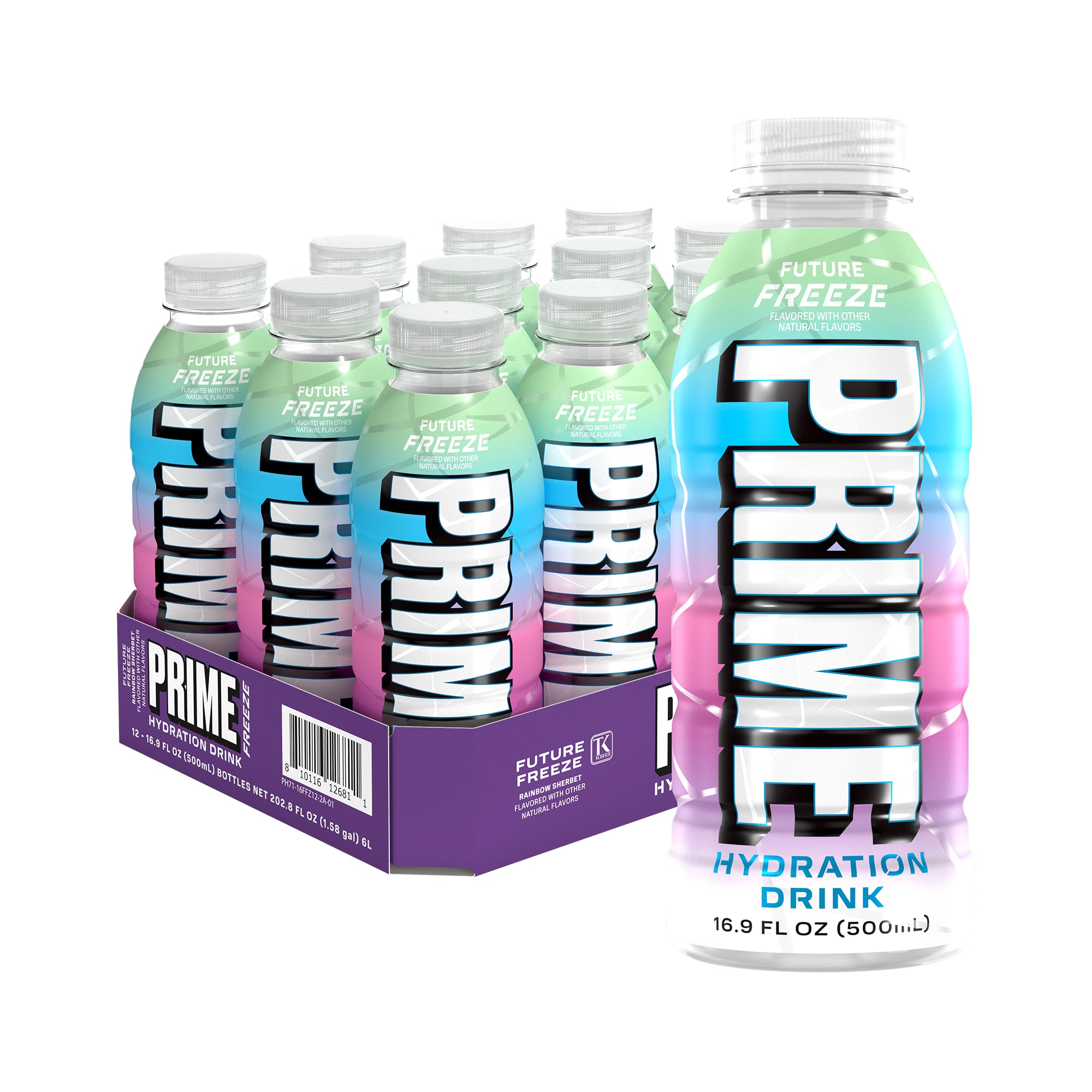
This beverage contains coconut water concentrate, which is a beneficial ingredient providing natural electrolytes. However, the presence of sucralose, an artificial sweetener, and natural flavors, which are often heavily processed and lack transparency, detracts from its overall healthiness. The product is moderately processed, which further impacts its score, despite having some redeeming qualities.
Key ingredients 9
Coconut Water ConcentrateGood
Coconut water concentrate is a natural ingredient that provides electrolytes such as potassium and magnesium. It is minimally processed and retains some of the nutritional benefits of fresh coconut water. This ingredient can aid in hydration and provide a natural source of minerals.
Benefits
Rich in electrolytes, it supports hydration and replenishes essential minerals.
WaterNeutral
Water is a neutral ingredient that serves as the base for most beverages. It is essential for hydration and does not contribute any calories or nutrients. There are no processing concerns associated with water in this context.
See more about Water →Citric AcidNeutral
Citric acid is commonly used as a preservative and flavor enhancer in beverages. It is naturally found in citrus fruits and is generally recognized as safe. However, it is synthetically produced for commercial use, which may not appeal to those seeking natural products.
Risks
Excessive consumption may lead to dental erosion due to its acidic nature.
Benefits
Acts as a preservative and enhances flavor without adding calories.
Dipotassium PhosphateNeutral
Dipotassium phosphate is used as a stabilizer and emulsifier in beverages. It helps maintain the consistency and shelf-life of the product. While it is generally safe, it is a synthetic additive that may not be preferred by those seeking natural ingredients.
Risks
High intake may affect kidney function in susceptible individuals.
Benefits
Helps stabilize the beverage and maintain its quality over time.
Trimagnesium CitrateNeutral
Trimagnesium citrate is a magnesium supplement used to fortify beverages. It is a bioavailable form of magnesium, which is essential for various bodily functions. However, it is synthetically produced and may not be necessary for all consumers.
Risks
Excessive intake can lead to digestive issues such as diarrhea.
Benefits
Provides a source of magnesium, supporting muscle and nerve function.
L-IsoleucineNeutral
L-Isoleucine is an essential amino acid included for its role in muscle metabolism. It is beneficial for muscle repair and energy production. However, it is typically consumed in adequate amounts through a balanced diet.
Benefits
Supports muscle repair and energy production.
L-LeucineNeutral
L-Leucine is an essential amino acid important for protein synthesis and muscle repair. It is often included in sports drinks for its anabolic properties. While beneficial, it is usually obtained sufficiently from dietary protein sources.
Benefits
Promotes muscle protein synthesis and recovery.
Natural FlavorsBad
Natural flavors are a catch-all term for flavoring agents derived from natural sources but often heavily processed. The lack of transparency about their specific composition can be concerning for consumers. They may contain additives or solvents used in the extraction process.
Risks
Potential allergens or sensitivities due to undisclosed components.
Benefits
Provides flavor enhancement without adding calories.
SucraloseBad
Sucralose is an artificial sweetener used to provide sweetness without calories. It is highly processed and has been associated with potential negative health effects. Some studies suggest it may alter gut microbiota and affect insulin sensitivity.
Risks
May impact gut health and insulin response with excessive consumption.
Benefits
Provides sweetness without adding calories, suitable for low-calorie diets.
Processing
Processed Foods
Get the full breakdown in the Scout appTake Scout shopping
Scan any product to see lab results, healthy alternatives, and your personalized analysis.
Download on theApp Store GET IT ONGoogle Play