
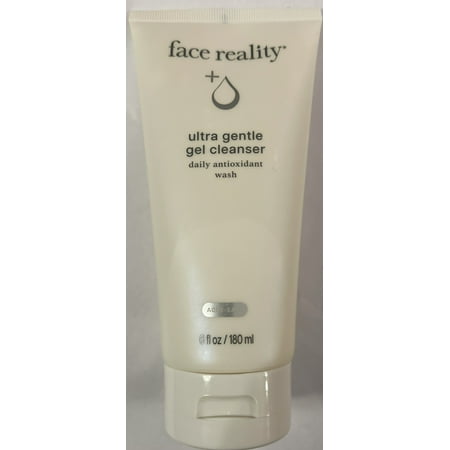

Face Reality Ultra Gentle Cleanser
Analysis updated August 2026 · How Scout scores
At a glance
Summary
This face cleanser contains several beneficial ingredients such as glycerin, licorice root extract, and green tea extract, which provide hydration, anti-inflammatory, and antioxidant benefits. However, the presence of alcohol and phenoxyethanol, which can be drying and irritating to the skin, slightly lowers its safety profile. The product is moderately processed, which also impacts its overall rating.
Key ingredients 18
Glycyrrhiza Glabra (Licorice) Root ExtractVery Good
Licorice Root Extract is known for its anti-inflammatory and skin-brightening properties. It helps to soothe irritated skin and reduce hyperpigmentation. It is a natural ingredient with a long history of use in skincare.
Risks
Rarely, it may cause allergic reactions in sensitive individuals.
Benefits
Reduces inflammation and helps brighten the skin tone.
Camellia Oleifera (Green Tea) Leaf ExtractVery Good
Green Tea Extract is rich in antioxidants and has anti-inflammatory properties. It helps protect the skin from environmental damage and soothes irritation. It is a well-regarded botanical in skincare.
Risks
There are minimal risks associated with green tea extract; it is generally safe for all skin types.
Benefits
Provides antioxidant protection and soothes the skin.
Panthenol (D)Very Good
Panthenol is a form of Vitamin B5 that acts as a moisturizer and skin conditioner. It helps to improve skin hydration and elasticity. It is well-tolerated and beneficial for all skin types.
Risks
There are minimal risks associated with panthenol; it is generally safe for all skin types.
Benefits
Enhances skin hydration and improves elasticity.
GlycerinGood
Glycerin is a humectant that attracts moisture to the skin, helping to keep it hydrated. It is a natural compound that is well-tolerated by most skin types. It enhances the skin's barrier function and smoothness.
Risks
There are minimal risks associated with glycerin; it is generally safe for all skin types.
Benefits
Helps maintain skin hydration and improves skin barrier function.
Decyl GlucosideGood
Decyl Glucoside is a mild, non-ionic surfactant derived from glucose and coconut oil. It is used for its gentle cleansing properties. It is biodegradable and suitable for sensitive skin.
Risks
Rarely, it may cause mild irritation in very sensitive skin.
Benefits
Provides gentle cleansing and is environmentally friendly.
Lauryl GlucosideGood
Lauryl Glucoside is a mild surfactant derived from natural sources like coconut oil and sugar. It is used for its gentle cleansing properties and is suitable for sensitive skin. It is biodegradable and non-irritating.
Risks
May cause mild irritation in very sensitive individuals.
Benefits
Offers gentle cleansing and is environmentally friendly.
Fomes Officinalis (Mushroom) ExtractGood
Mushroom Extract is known for its astringent and pore-tightening properties. It helps to refine skin texture and reduce the appearance of pores. It is a natural ingredient with antioxidant benefits.
Risks
There are minimal risks associated with mushroom extract; it is generally safe for all skin types.
Benefits
Tightens pores and provides antioxidant protection.
Aqua (Water)Neutral
Water is a universal solvent and is used as a base in many cosmetic formulations. It helps dissolve other ingredients and provides hydration. It is generally considered safe and non-irritating.
Risks
There are no significant risks associated with water in cosmetics.
Benefits
Water helps to hydrate the skin and acts as a carrier for other beneficial ingredients.
Cocamidopropyl BetaineNeutral
Cocamidopropyl Betaine is a mild surfactant derived from coconut oil. It helps to cleanse the skin by removing dirt and oil. It is generally well-tolerated but can cause irritation in some individuals.
Risks
May cause skin irritation or allergic reactions in sensitive individuals.
Benefits
Provides gentle cleansing without stripping the skin of its natural oils.
Xanthan GumNeutral
Xanthan Gum is a natural thickening agent used to stabilize and thicken cosmetic formulations. It is derived from fermented sugars. It is generally considered safe and non-irritating.
Risks
There are minimal risks associated with xanthan gum; it is generally safe for all skin types.
Benefits
Helps stabilize formulations and improve texture.
Hamamelis Virginiana (Witch Hazel) WaterNeutral
Witch Hazel Water is known for its astringent and anti-inflammatory properties. It helps to tone the skin and reduce inflammation. It is a natural ingredient commonly used in skincare.
Risks
May cause irritation or dryness in sensitive skin.
Benefits
Tones the skin and reduces inflammation.
Citric AcidNeutral
Citric Acid is used to adjust the pH of cosmetic formulations. It is a natural acid found in citrus fruits. It is generally considered safe and non-irritating in low concentrations.
Risks
May cause irritation in sensitive skin if used in high concentrations.
Benefits
Helps maintain the pH balance of the product.
AlcoholNeutral
Standard formulation ingredient — neither beneficial nor harmful at typical use.
Risks
Can cause dryness, irritation, and disrupt the skin barrier.
Benefits
Acts as a solvent and helps preserve the product.
Butylene GlycolNeutral
Butylene Glycol is a humectant that helps to retain moisture in the skin. It is used to improve the texture and spreadability of cosmetic products. It is generally considered safe and non-irritating.
Risks
May cause irritation in very sensitive skin.
Benefits
Helps retain moisture and improves product texture.
EthylhexylglycerinNeutral
Ethylhexylglycerin is used as a preservative and skin conditioning agent in cosmetics. It enhances the efficacy of other preservatives and provides mild skin conditioning benefits. It is generally considered safe and non-irritating.
Risks
May cause irritation in very sensitive skin.
Benefits
Enhances preservative efficacy and conditions the skin.
Disodium EDTABad
Processed additive flagged under Scout's ingredient doctrine.
Risks
May cause irritation in very sensitive skin when used in high concentrations.
Benefits
Improves product stability and prevents metal ion interference.
Potassium SorbateBad
Synthetic preservative — flagged in daily-use products.
Risks
May cause irritation in sensitive skin when used in high concentrations.
Benefits
Prevents microbial growth and extends product shelf life.
PhenoxyethanolBad
Phenoxyethanol is a preservative used to prevent microbial growth in cosmetics. It can cause irritation and allergic reactions in some individuals. It is a common alternative to parabens but still has potential risks.
Risks
Can cause irritation and allergic reactions in sensitive individuals.
Benefits
Prevents microbial growth and extends product shelf life.
Get the full breakdown in the Scout appTake Scout shopping
Scan any product to see lab results, healthy alternatives, and your personalized analysis.
Download on theApp Store GET IT ONGoogle PlayAmazon pricing & content
CERTAIN CONTENT THAT APPEARS ON THIS SITE COMES FROM AMAZON. THIS CONTENT IS PROVIDED “AS IS” AND IS SUBJECT TO CHANGE OR REMOVAL AT ANY TIME.