
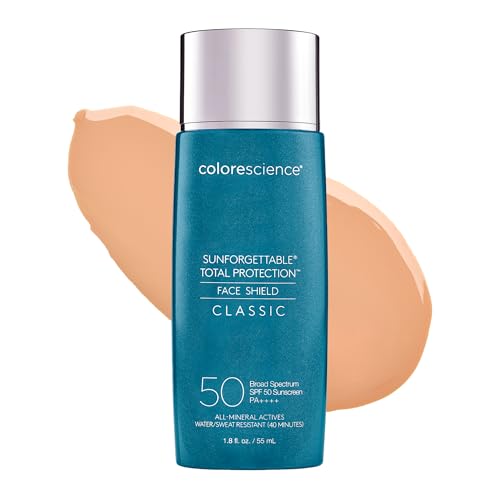
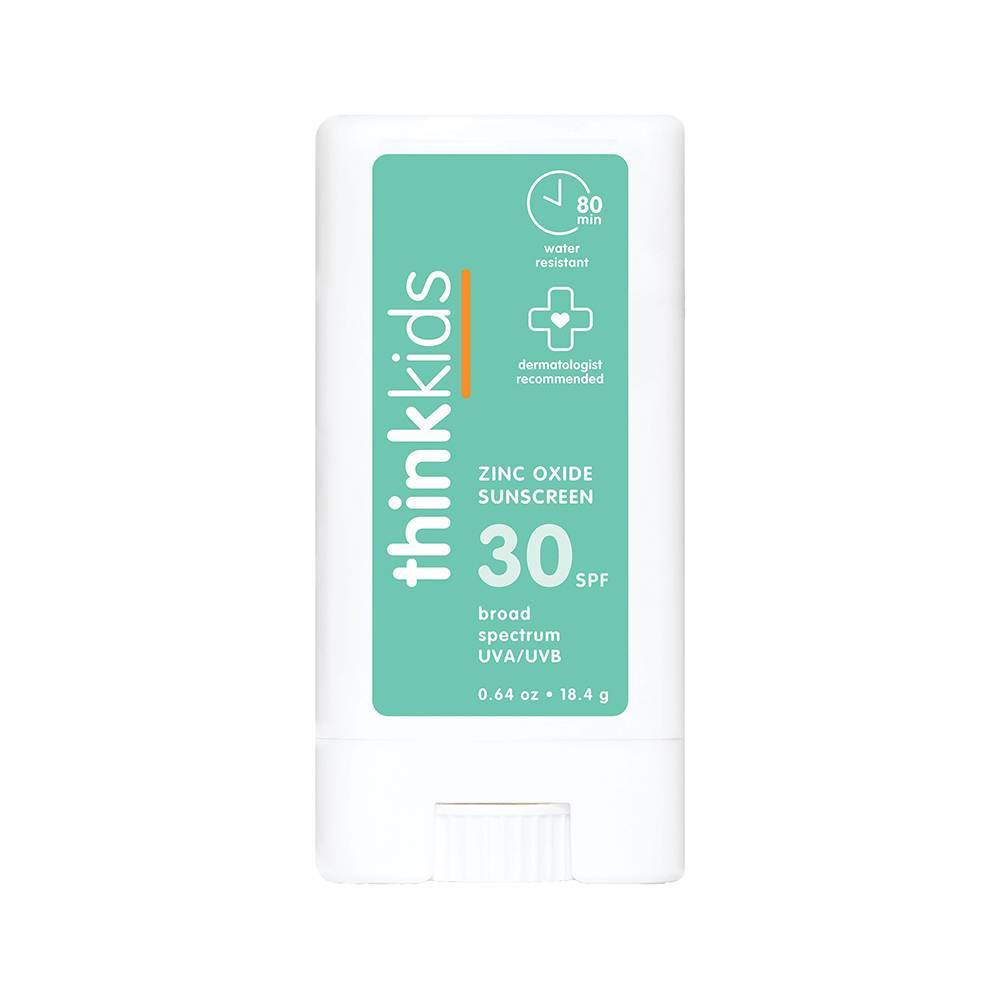
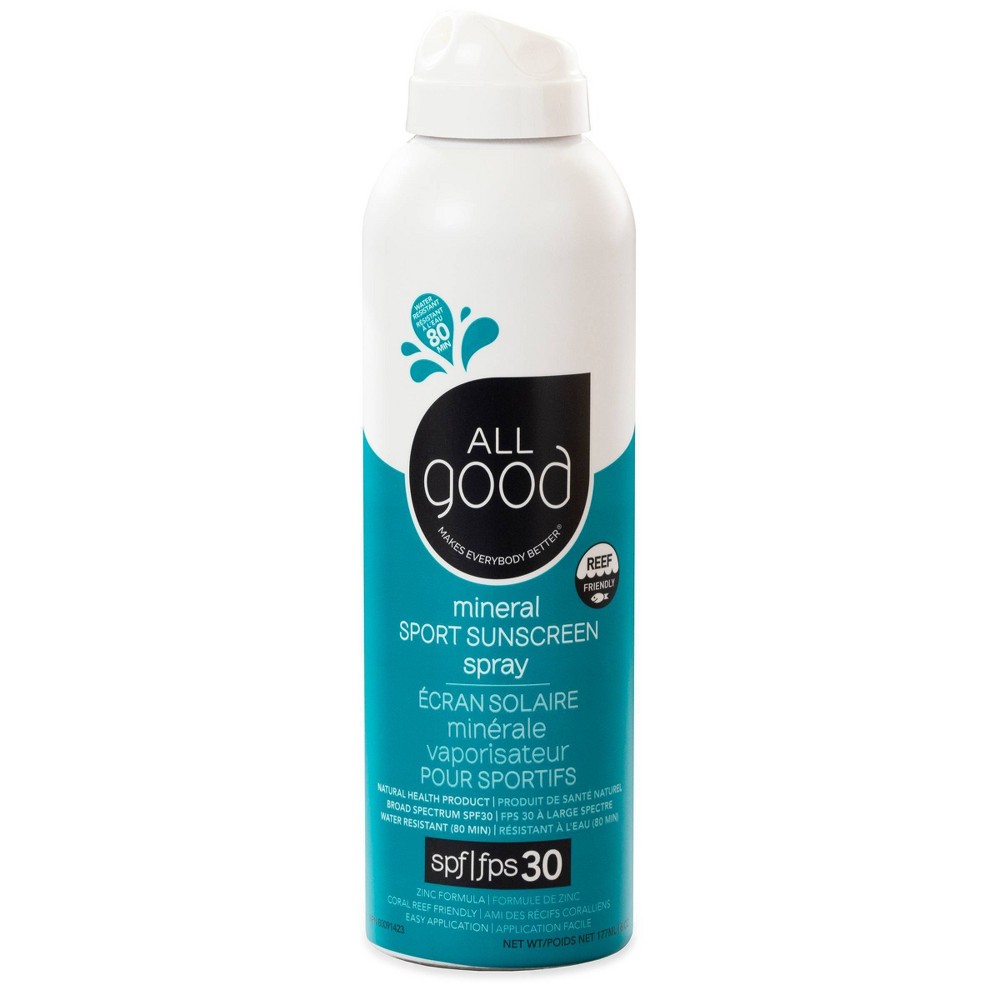
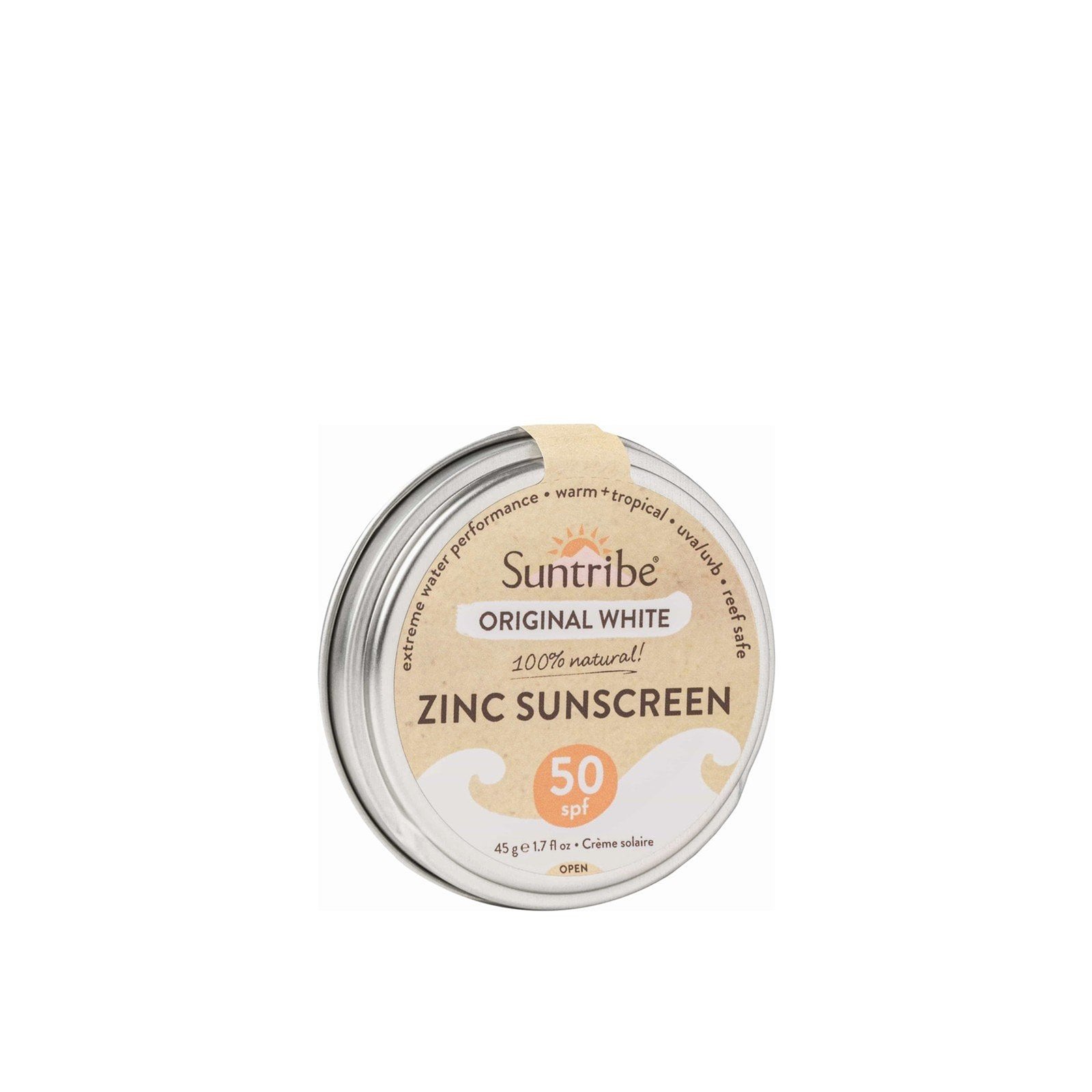


Colorescience Sunforgettable Total Protection Face Shield SPF 50 - Classic 1.8 oz
Analysis updated August 2026 · How Scout scores
At a glance
Summary
This sunscreen features zinc oxide as its primary active ingredient, providing effective mineral UV protection without the risks associated with chemical filters. It includes beneficial skin-soothing ingredients like niacinamide, bisabolol, and allantoin, which enhance its skin-friendly profile. However, the presence of synthetic compounds such as dimethicone and PEG derivatives indicates a moderate level of processing, which slightly impacts its overall rating.
Key ingredients 30
BisabololVery Good
Bisabolol is a natural compound known for its soothing and anti-inflammatory properties. It is derived from chamomile and is effective in calming irritated skin. It is often used in skincare products for its gentle nature.
Risks
There are minimal risks associated with Bisabolol, making it suitable for sensitive skin.
Benefits
It helps to soothe and calm the skin, reducing redness and irritation.
AllantoinVery Good
Allantoin is a compound known for its skin-soothing and moisturizing properties. It promotes skin healing and is often used in products for sensitive skin. It is recognized for its ability to improve skin smoothness.
Risks
Allantoin is generally considered safe with a low risk of irritation.
Benefits
It helps to moisturize and soothe the skin, promoting a healthy skin barrier.
Zinc OxideGood
Zinc Oxide is a mineral sunscreen agent that provides broad-spectrum UV protection. It is considered safe and effective for sensitive skin. It is often used in creams and lotions for its protective properties.
Risks
There are minimal risks associated with Zinc Oxide when used in topical applications.
Benefits
It offers excellent protection against both UVA and UVB rays, making it a preferred choice for sun protection.
NiacinamideGood
Niacinamide is a form of Vitamin B3 that is known for its anti-inflammatory and skin-soothing properties. It helps improve skin barrier function and reduces redness. It is widely used in skincare for its multiple benefits.
Risks
Niacinamide is generally well-tolerated with minimal risk of irritation.
Benefits
It can improve skin texture, reduce the appearance of pores, and enhance skin radiance.
MicaGood
Beneficial ingredient — whole-food or functional value in this product class.
Risks
There are minimal risks associated with Mica, though inhalation of fine particles should be avoided.
Benefits
It provides a shimmering effect, enhancing the visual appeal of cosmetic products.
GlycerinGood
Beneficial ingredient — whole-food or functional value in this product class.
Risks
There are minimal risks associated with Glycerin, though it may cause mild irritation in sensitive individuals.
Benefits
It helps to attract and retain moisture in the skin, improving hydration and texture.
WaterNeutral
Water is a common solvent used in cosmetic formulations. It acts as a base for many ingredients and helps in the application of the product. It is essential for the formulation but does not provide direct skin benefits.
Risks
There are no significant risks associated with water in cosmetic formulations.
Benefits
It helps to dissolve other ingredients and provides a smooth application.
C12-15 Alkyl BenzoateNeutral
C12-15 Alkyl Benzoate is an emollient that helps to improve the texture and feel of skincare products. It provides a silky finish and enhances the spreadability of formulations. It is commonly used in sunscreens and moisturizers.
Risks
There are minimal risks associated with this ingredient, though it may cause mild irritation in sensitive individuals.
Benefits
It enhances the texture of products, making them feel smooth and non-greasy.
IsododecaneNeutral
Isododecane is a lightweight hydrocarbon used to improve the spreadability and texture of cosmetic products. It evaporates quickly, leaving a non-greasy finish. It is often used in formulations to enhance the feel of the product.
Risks
There are minimal risks associated with Isododecane, though it may cause mild irritation in sensitive individuals.
Benefits
It provides a lightweight, non-greasy feel to products, enhancing user experience.
Lauryl PEG-8 DimethiconeNeutral
Lauryl PEG-8 Dimethicone is a silicone-based surfactant that helps to improve the spreadability of products. It provides a smooth application and enhances the texture of formulations. It is commonly used in skincare and cosmetic products.
Risks
There are minimal risks associated with this ingredient, though it may cause mild irritation in sensitive individuals.
Benefits
It enhances the texture and application of products, providing a smooth and even finish.
Tridecyl SalicylateNeutral
Tridecyl Salicylate is used in sunscreens to enhance UV protection and improve water resistance. It acts as an emollient and solvent, contributing to the product's overall effectiveness. It is a common ingredient in sun care products.
Risks
There are minimal risks associated with Tridecyl Salicylate, though it may cause mild irritation in some individuals.
Benefits
It helps to improve the efficacy of sunscreens by enhancing UV protection and water resistance.
PropanediolNeutral
Propanediol is a glycol used as a solvent and humectant in cosmetic formulations. It helps to improve the texture and moisture retention of products. It is considered safe for use in cosmetics.
Risks
There are minimal risks associated with Propanediol, though it may cause mild irritation in sensitive individuals.
Benefits
It helps to improve the texture and moisture retention of products, enhancing user experience.
Caprylyl MethiconeNeutral
Caprylyl Methicone is a silicone-based emollient that improves the spreadability and texture of cosmetic products. It provides a lightweight, non-greasy feel and enhances the application of formulations. It is commonly used in skincare and makeup products.
Risks
There are minimal risks associated with Caprylyl Methicone, though it may cause mild irritation in sensitive individuals.
Benefits
It provides a lightweight, non-greasy feel to products, enhancing user experience.
DimethiconolNeutral
Dimethiconol is a silicone-based polymer used to improve the texture and spreadability of cosmetic products. It provides a smooth, silky feel and helps to lock in moisture. It is widely used in skincare and haircare products.
Risks
There are minimal risks associated with Dimethiconol, though it may cause mild irritation in sensitive individuals.
Benefits
It provides a smooth, silky feel to products and helps to lock in moisture, enhancing user experience.
PropylsilsesquioxaneNeutral
Propylsilsesquioxane is a silicone-based film-former that helps to improve the texture and durability of cosmetic products. It provides a smooth, even finish and enhances the wear of formulations. It is commonly used in skincare and makeup products.
Risks
There are minimal risks associated with Propylsilsesquioxane, though it may cause mild irritation in sensitive individuals.
Benefits
It provides a smooth, even finish to products and enhances their durability, improving user experience.
Silicate CrosspolymerNeutral
Silicate Crosspolymer is a silicone-based film-former that helps to improve the texture and durability of cosmetic products. It provides a smooth, even finish and enhances the wear of formulations. It is commonly used in skincare and makeup products.
Risks
There are minimal risks associated with Silicate Crosspolymer, though it may cause mild irritation in sensitive individuals.
Benefits
It provides a smooth, even finish to products and enhances their durability, improving user experience.
Trilaureth-4 PhosphateNeutral
Trilaureth-4 Phosphate is a surfactant and emulsifier used to improve the texture and stability of cosmetic products. It helps to blend ingredients and enhance the application of formulations. It is commonly used in skincare and makeup products.
Risks
There are minimal risks associated with Trilaureth-4 Phosphate, though it may cause mild irritation in sensitive individuals.
Benefits
It helps to blend ingredients and enhance the application of products, improving user experience.
Lauryl PEG-10 Tris(trimethylsiloxy)silylethyl DimethiconeNeutral
Lauryl PEG-10 Tris(trimethylsiloxy)silylethyl Dimethicone is a silicone-based surfactant that helps to improve the spreadability of products. It provides a smooth application and enhances the texture of formulations. It is commonly used in skincare and cosmetic products.
Risks
There are minimal risks associated with this ingredient, though it may cause mild irritation in sensitive individuals.
Benefits
It enhances the texture and application of products, providing a smooth and even finish.
Synthetic FluorphlogopiteNeutral
Synthetic Fluorphlogopite is a synthetic mica used to add shimmer and shine to cosmetic products. It is commonly used in makeup to provide a luminous finish. It is considered safe for use in cosmetics.
Risks
There are minimal risks associated with Synthetic Fluorphlogopite, though inhalation of fine particles should be avoided.
Benefits
It provides a shimmering effect, enhancing the visual appeal of cosmetic products.
MaltodextrinNeutral
Maltodextrin is a polysaccharide used as a binder and stabilizer in cosmetic formulations. It helps to improve the texture and stability of products. It is considered safe for use in cosmetics.
Risks
There are minimal risks associated with Maltodextrin, though it may cause mild irritation in sensitive individuals.
Benefits
It helps to improve the texture and stability of products, enhancing user experience.
Sodium ChlorideNeutral
Sodium Chloride, or table salt, is used as a thickening agent and stabilizer in cosmetic formulations. It helps to improve the texture and consistency of products. It is considered safe for use in cosmetics.
Risks
There are minimal risks associated with Sodium Chloride, though it may cause mild irritation in sensitive individuals.
Benefits
It helps to improve the texture and consistency of products, enhancing user experience.
Disodium Lauriminodipropionate Tocopheryl PhosphateNeutral
Disodium Lauriminodipropionate Tocopheryl Phosphate is a derivative of Vitamin E used for its antioxidant properties. It helps to protect the skin from environmental damage. It is commonly used in skincare products for its protective benefits.
Risks
There are minimal risks associated with this ingredient, though it may cause mild irritation in sensitive individuals.
Benefits
It provides antioxidant protection, helping to protect the skin from environmental damage.
EthylhexylglycerinNeutral
Ethylhexylglycerin is a preservative and skin-conditioning agent used in cosmetic formulations. It helps to improve the texture and stability of products. It is considered safe for use in cosmetics.
Risks
There are minimal risks associated with Ethylhexylglycerin, though it may cause mild irritation in sensitive individuals.
Benefits
It helps to improve the texture and stability of products, enhancing user experience.
BetaineNeutral
Betaine is a naturally derived humectant that helps to improve the hydration and texture of cosmetic products. It provides a smooth, silky feel and enhances the application of formulations. It is commonly used in skincare products for its moisturizing properties.
Risks
There are minimal risks associated with Betaine, though it may cause mild irritation in sensitive individuals.
Benefits
It helps to improve the hydration and texture of products, enhancing user experience.
Dimethylmethoxy ChromanolNeutral
Dimethylmethoxy Chromanol is an antioxidant used to protect the skin from environmental damage. It helps to improve the stability and efficacy of cosmetic products. It is commonly used in skincare formulations for its protective benefits.
Risks
There are minimal risks associated with Dimethylmethoxy Chromanol, though it may cause mild irritation in sensitive individuals.
Benefits
It provides antioxidant protection, helping to protect the skin from environmental damage.
Caesalpinia Spinosa Fruit Pod ExtractNeutral
Caesalpinia Spinosa Fruit Pod Extract is a natural extract used for its skin-conditioning properties. It helps to improve the texture and hydration of cosmetic products. It is commonly used in skincare formulations for its moisturizing benefits.
Risks
There are minimal risks associated with this extract, though it may cause mild irritation in sensitive individuals.
Benefits
It helps to improve the texture and hydration of products, enhancing user experience.
TremellaNeutral
Tremella, also known as snow mushroom, is used for its hydrating and skin-conditioning properties. It helps to improve the texture and moisture retention of cosmetic products. It is commonly used in skincare formulations for its moisturizing benefits.
Risks
There are minimal risks associated with Tremella, though it may cause mild irritation in sensitive individuals.
Benefits
It helps to improve the texture and moisture retention of products, enhancing user experience.
Butyloctyl SalicylateBad
Processed additive flagged under Scout's ingredient doctrine.
Risks
There are minimal risks associated with Butyloctyl Salicylate, though it may cause mild irritation in some individuals.
Benefits
It helps to improve the efficacy of sunscreens by enhancing UV protection and water resistance.
DimethiconeBad
Occlusive silicone film-former — flagged under clean-beauty doctrine.
Risks
There are minimal risks associated with Dimethicone, though it may cause mild irritation in sensitive individuals.
Benefits
It provides a smooth, silky feel to products and helps to lock in moisture, enhancing user experience.
Dimethicone/Vinyl Dimethicone CrosspolymerBad
Processed additive flagged under Scout's ingredient doctrine.
Risks
There are minimal risks associated with this ingredient, though it may cause mild irritation in sensitive individuals.
Benefits
It provides a smooth, even finish to products and enhances their durability, improving user experience.
Processing
Processed Foods
Get the full breakdown in the Scout appTake Scout shopping
Scan any product to see lab results, healthy alternatives, and your personalized analysis.
Download on theApp Store GET IT ONGoogle PlayAmazon pricing & content
Amazon price as of . Product prices and availability are accurate as of the date/time indicated and are subject to change. Any price and availability information displayed on Amazon.com at the time of purchase will apply to the purchase of this product.
CERTAIN CONTENT THAT APPEARS ON THIS SITE COMES FROM AMAZON. THIS CONTENT IS PROVIDED “AS IS” AND IS SUBJECT TO CHANGE OR REMOVAL AT ANY TIME.