

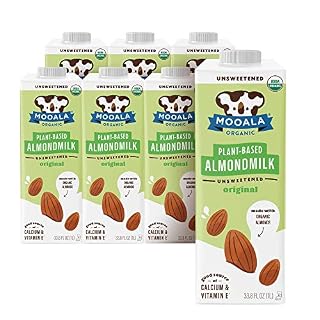

ORGANIC ORIGINAL ALMONDMILK
Summary
This almond milk is fortified with beneficial vitamins such as A, D2, E, and B12, which enhance its nutritional profile. However, it contains sunflower lecithin, a seed oil derivative, which can contribute to an imbalance in omega-6 fatty acids. The product is also ultra-processed, which limits its score despite the presence of organic ingredients and minimal added sugars.
At a glance
Key ingredients 11
Organic AlmondmilkGood
Organic almondmilk is a plant-based milk alternative that is low in calories and contains healthy fats. The use of organic almonds ensures minimal pesticide exposure and higher nutrient quality. It is a suitable option for those with lactose intolerance or dairy allergies.
Benefits
Rich in vitamin E and healthy fats, supporting skin health and providing antioxidant benefits.
Organic Locust Bean GumNeutral
Organic locust bean gum is a natural thickening agent derived from carob seeds. It is used to improve texture and stability in food products. Being organic, it is free from synthetic additives and pesticides.
Risks
Excessive consumption may cause digestive discomfort in sensitive individuals.
Sea SaltGood
Unrefined sea salt — a minimally processed, natural source of sodium and essential trace minerals, and a legitimate whole-food seasoning. Treated as a positive ingredient.
Risks
High sodium intake can lead to increased blood pressure and cardiovascular issues.
Benefits
Provides essential minerals like magnesium and calcium in small amounts.
Sunflower LecithinBad
Sunflower lecithin is an emulsifier derived from sunflower seeds, often used to improve texture and blend ingredients. Despite being a natural product, it is a seed oil derivative, which may contribute to an imbalance in omega-6 fatty acids. Its processing can involve chemical solvents, raising health concerns.
Risks
High omega-6 content may promote inflammation when consumed in excess.
Benefits
May support brain health and improve lipid profiles due to its phospholipid content.
Tricalcium PhosphateNeutral
Tricalcium phosphate is used as a calcium fortification agent in food products. It helps in maintaining bone health by providing a source of calcium. It is generally recognized as safe when consumed in typical amounts.
Risks
Excessive intake may lead to hypercalcemia, affecting kidney function.
Benefits
Supports bone health by providing a bioavailable form of calcium.
Gellan GumNeutral
Gellan gum is a gelling agent used to stabilize and thicken food products. It is produced through bacterial fermentation, making it a natural additive. It is considered safe for consumption in regulated amounts.
Risks
May cause digestive issues in sensitive individuals if consumed in large quantities.
Potassium CitrateNeutral
Potassium citrate is used to regulate acidity and improve mineral content in foods. It is a source of potassium, an essential mineral for maintaining electrolyte balance. It is generally safe when consumed in moderation.
Risks
Excessive intake can lead to hyperkalemia, affecting heart function.
Benefits
Helps maintain electrolyte balance and supports nerve and muscle function.
Vitamin A PalmitateGood
Vitamin A palmitate is a form of vitamin A used to fortify foods, supporting vision and immune function. It is a stable form of the vitamin, ensuring consistent nutrient delivery. Fortification helps prevent deficiencies in populations with limited dietary vitamin A.
Risks
Excessive intake can lead to hypervitaminosis A, causing liver damage and other health issues.
Benefits
Essential for maintaining healthy vision, skin, and immune function.
Vitamin D2Good
Vitamin D2 is a plant-derived form of vitamin D used to fortify foods, supporting bone health and calcium absorption. It is particularly beneficial for individuals with limited sun exposure. Fortification helps prevent vitamin D deficiency, which is common in many populations.
Risks
Excessive intake can lead to hypercalcemia and associated health issues.
Benefits
Supports bone health and immune function by aiding calcium absorption.
Dl-alpha-tocopherol Acetate (Vitamin E)Good
Dl-alpha-tocopherol acetate is a synthetic form of vitamin E used to fortify foods, providing antioxidant benefits. It helps protect cells from oxidative damage and supports immune function. Fortification ensures adequate intake of this essential nutrient.
Risks
High doses may interfere with blood clotting and increase bleeding risk.
Benefits
Acts as an antioxidant, protecting cells from damage and supporting skin health.
Vitamin B12Good
Vitamin B12 is an essential nutrient used to fortify foods, crucial for nerve function and red blood cell formation. It is particularly important for vegetarians and vegans who may have limited dietary sources. Fortification helps prevent deficiencies, which can lead to anemia and neurological issues.
Benefits
Supports energy metabolism and neurological health.
Processing
Ultra-Processed Foods
Get the full breakdown in the Scout app
Scan any product to see lab results, healthy alternatives, and your personalized analysis.
Download on theApp Store