
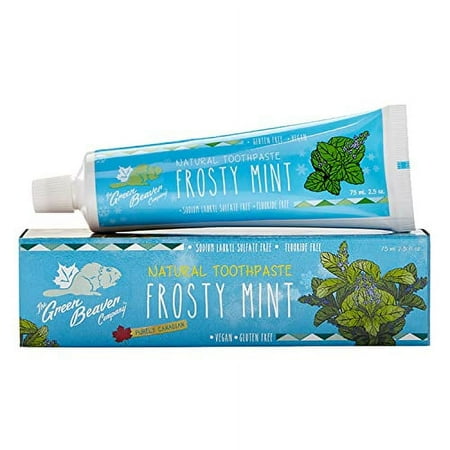


Green Beaver Toothpaste Frosty Mint 2.5 Ounce
Analysis updated June 2026 · How Scout scores
At a glance
Summary
This toothpaste contains beneficial ingredients like peppermint leaf oil, menthol, xylitol, and tea tree oil, which contribute to oral health by reducing bacteria and freshening breath. However, it is classified as ultra-processed due to the presence of multiple additives, which limits its score. Despite the beneficial components, the processing level and presence of additives prevent it from achieving a higher rating.
Key ingredients 12
XylitolVery Good
Xylitol is a sugar alcohol used as a sweetener in toothpaste that has been shown to reduce the risk of tooth decay. It is derived from plant materials and is known for its ability to inhibit the growth of cavity-causing bacteria. Xylitol is considered beneficial for oral health due to its protective effects on teeth.
Risks
Excessive consumption may cause digestive issues such as bloating or diarrhea.
Benefits
Helps reduce the risk of tooth decay and promotes oral health.
GlycerinGood
Beneficial ingredient — whole-food or functional value in this product class.
Benefits
Helps maintain moisture and texture in the toothpaste.
Mentha Piperita (Peppermint) Leaf OilGood
Peppermint leaf oil is used for its flavoring and potential antimicrobial properties in oral care products. It is derived from the leaves of the peppermint plant and is known for its refreshing taste and aroma. Additionally, it may help reduce oral bacteria and freshen breath.
Benefits
Provides a refreshing taste and may have antimicrobial properties.
Melaleuca Alternifolia (Tea Tree) Leaf OilGood
Tea tree leaf oil is included for its potential antimicrobial and anti-inflammatory properties. It is extracted from the leaves of the tea tree and is known for its ability to help reduce oral bacteria and support gum health. Tea tree oil is valued for its natural therapeutic effects in oral care.
Benefits
May provide antimicrobial and anti-inflammatory benefits for oral health.
Calcium CarbonateNeutral
Calcium carbonate is primarily used as an abrasive in toothpaste to help remove plaque and surface stains. It is a naturally occurring mineral that is generally considered safe and effective for dental care. However, it does not provide any additional health benefits beyond its mechanical cleaning action.
Benefits
Provides effective abrasive action to aid in cleaning teeth.
Aqua/Water/EauNeutral
Water is used as a solvent in toothpaste formulations to dissolve other ingredients and provide the desired consistency. The quality and purity of water are crucial to ensure no contaminants are present. In this context, water serves a functional role without direct health benefits or risks.
See more about Aqua/Water/Eau →SorbitolNeutral
Sorbitol is a sugar alcohol used as a sweetener and humectant in toothpaste. It helps maintain moisture and provides a pleasant taste without promoting tooth decay. Sorbitol is generally considered safe, but excessive consumption can lead to digestive discomfort.
Risks
Excessive consumption may cause digestive issues such as bloating or diarrhea.
Benefits
Helps retain moisture and provides sweetness without contributing to tooth decay.
Hydrated SilicaNeutral
Hydrated silica is used as an abrasive agent in toothpaste to aid in cleaning and polishing teeth. It is a form of silicon dioxide that is processed to achieve the desired abrasiveness. While effective for cleaning, it does not provide additional health benefits.
Benefits
Provides effective cleaning and polishing action for teeth.
MentholNeutral
Standard formulation ingredient — neither beneficial nor harmful at typical use.
Benefits
Provides a cooling sensation and helps freshen breath.
Citrus Grandis (Grapefruit) Seed ExtractNeutral
Grapefruit seed extract is used for its potential antimicrobial properties in oral care products. It is derived from the seeds of the grapefruit and is believed to help reduce oral bacteria. However, its efficacy and safety are sometimes debated due to potential contamination during processing.
Risks
Potential contamination during processing may pose safety concerns.
Benefits
May provide antimicrobial benefits in oral care.
Xanthan GumNeutral
Xanthan gum is used as a thickening agent in toothpaste to provide the desired consistency and stability. It is a polysaccharide produced through fermentation and is generally recognized as safe. Xanthan gum does not offer direct health benefits but is important for product formulation.
Benefits
Helps maintain the consistency and stability of the toothpaste.
Coco-GlucosideNeutral
Coco-glucoside is a mild surfactant used in toothpaste to help with foaming and cleaning. It is derived from coconut oil and glucose, making it a gentle and biodegradable option. While it aids in cleaning, it does not provide additional health benefits.
Benefits
Provides mild foaming and cleaning action in toothpaste.
Get the full breakdown in the Scout appTake Scout shopping
Scan any product to see lab results, healthy alternatives, and your personalized analysis.
Download on theApp Store GET IT ONGoogle PlayAmazon pricing & content
Amazon price as of . Product prices and availability are accurate as of the date/time indicated and are subject to change. Any price and availability information displayed on Amazon.com at the time of purchase will apply to the purchase of this product.
CERTAIN CONTENT THAT APPEARS ON THIS SITE COMES FROM AMAZON. THIS CONTENT IS PROVIDED “AS IS” AND IS SUBJECT TO CHANGE OR REMOVAL AT ANY TIME.