

At a glance
Summary
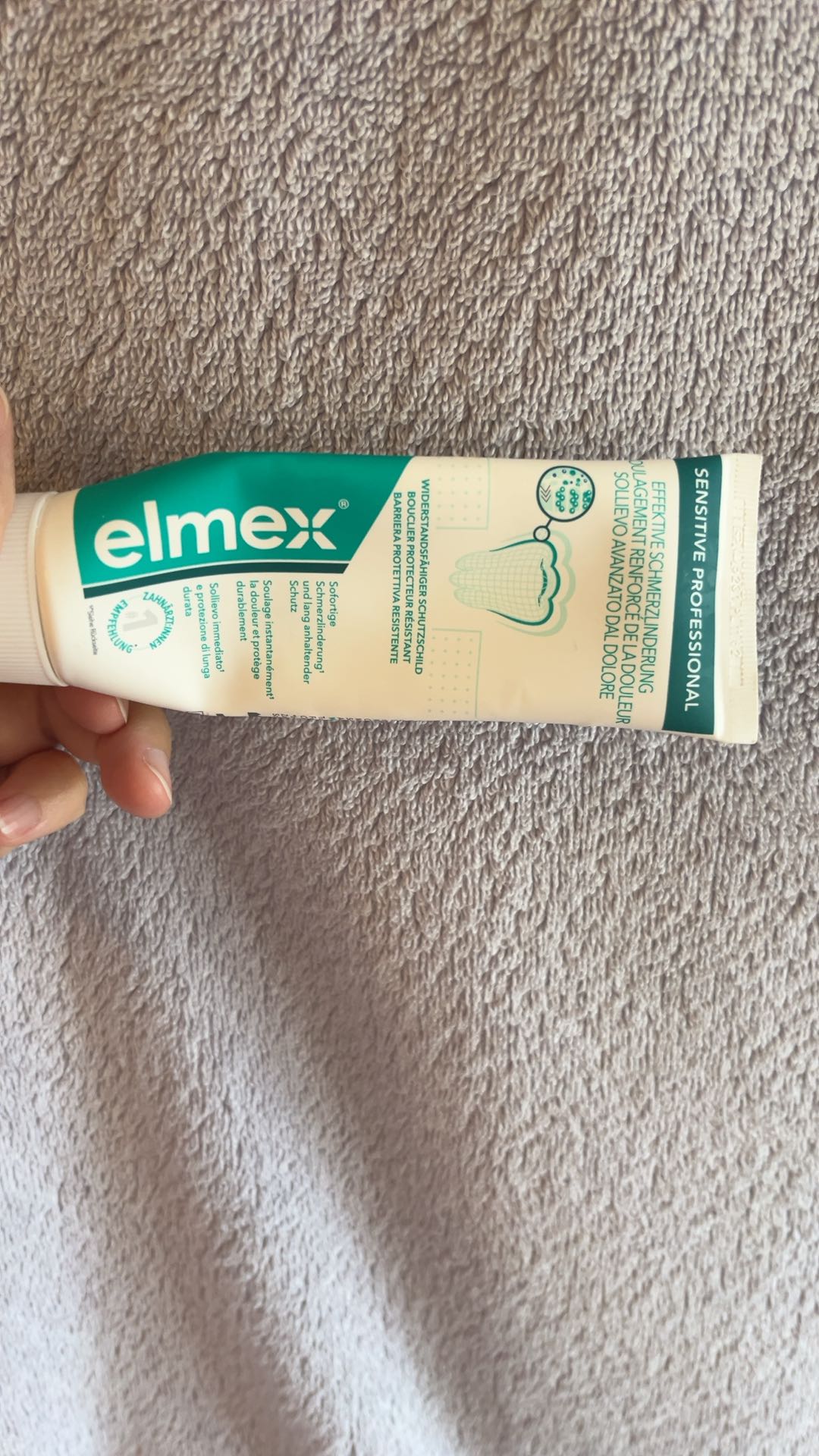
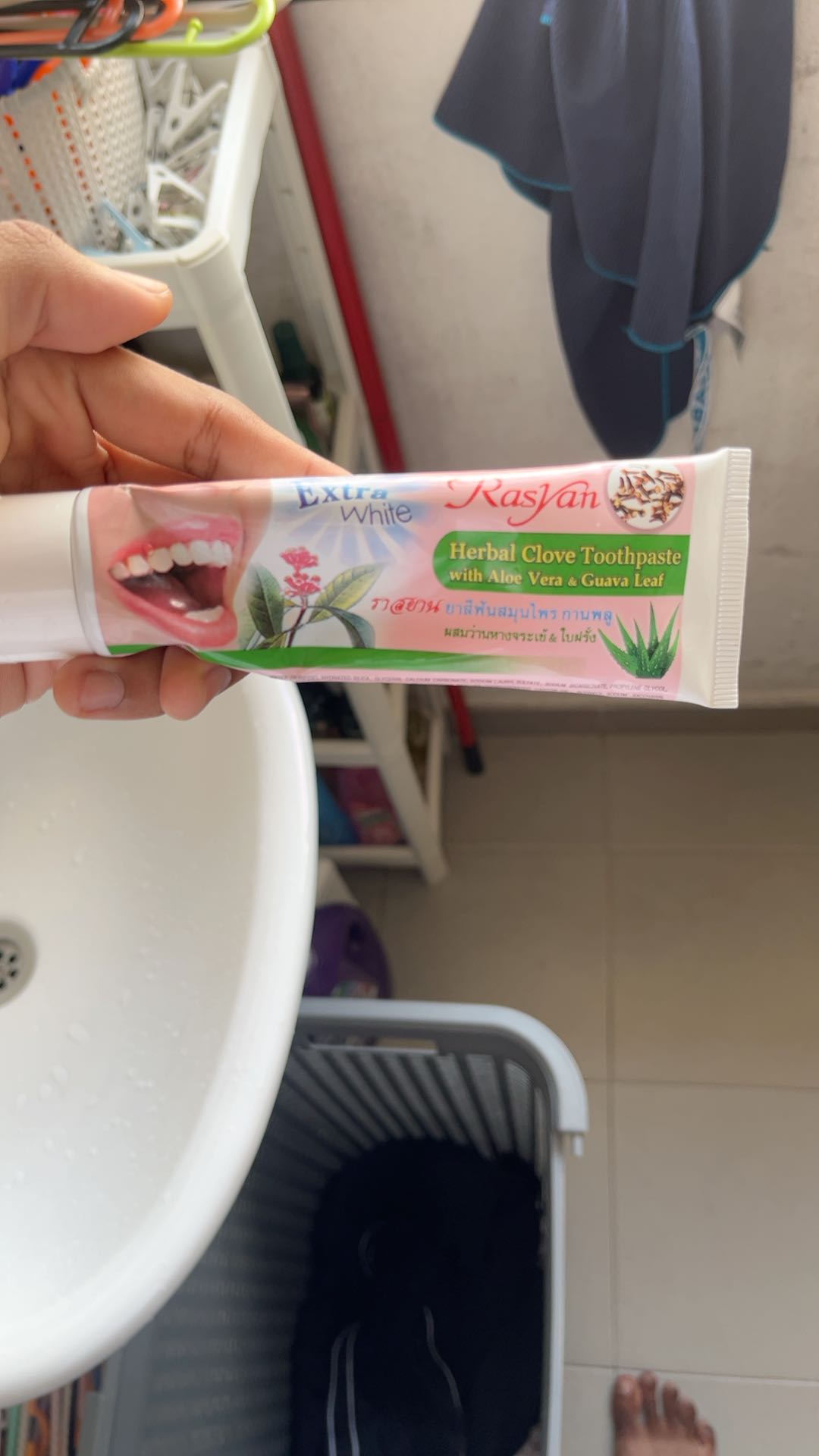
This toothpaste contains beneficial ingredients like hydrated silica, calcium carbonate, and sodium bicarbonate, which contribute to effective oral hygiene by removing plaque and stains. However, it also includes potentially irritating and synthetic compounds such as sodium lauryl sulfate, hydrochloric acid, and sodium saccharin, which can cause irritation or have health concerns in high doses. The presence of these processed and synthetic ingredients, along with the product's processing level, influences its overall rating.
Key ingredients 14
Sodium MonofluorophosphateGood
Sodium monofluorophosphate is a fluoride compound used to strengthen tooth enamel and prevent cavities. It is carefully processed to ensure safety and efficacy in oral care products. This ingredient is widely recognized for its role in dental health.
Risks
Excessive ingestion can lead to dental fluorosis, but this is not a concern with proper use.
Benefits
Strengthens enamel and helps prevent cavities, supporting long-term dental health.
GlycerinGood
Beneficial ingredient — whole-food or functional value in this product class.
Benefits
Helps maintain moisture and texture, enhancing the usability of toothpaste.
AquaNeutral
Aqua, or water, is used as a solvent in toothpaste formulations. It helps dissolve other ingredients and provides the necessary consistency for application. No significant health impacts are associated with its use in this context.
See more about Aqua →Hydrated SilicaNeutral
Standard formulation ingredient — neither beneficial nor harmful at typical use.
Benefits
Helps in cleaning teeth by removing plaque and surface stains, contributing to oral health.
SorbitolNeutral
Sorbitol is a sugar alcohol used as a sweetener and humectant in toothpaste. It helps maintain moisture and provides a pleasant taste without promoting tooth decay. It is generally recognized as safe for oral care products.
Risks
Excessive consumption can lead to gastrointestinal discomfort, but this is not a concern in toothpaste use.
Benefits
Provides sweetness and helps retain moisture, enhancing the texture and taste of the toothpaste.
Calcium CarbonateNeutral
Standard formulation ingredient — neither beneficial nor harmful at typical use.
Benefits
Contributes to the mechanical cleaning of teeth, supporting overall oral health.
Sodium BicarbonateNeutral
Standard formulation ingredient — neither beneficial nor harmful at typical use.
Benefits
Neutralizes acids and freshens breath, contributing to oral health maintenance.
AromaNeutral
Aroma refers to flavoring agents used to improve the taste and smell of toothpaste. These are typically synthetic or natural compounds added in small amounts. They enhance user experience without significant health impacts.
Benefits
Improves taste and user experience, encouraging regular use of toothpaste.
Sodium SilicateNeutral
Sodium silicate is used as a stabilizer and thickening agent in toothpaste formulations. It is a synthetic compound that helps maintain the product's consistency. Its use is generally considered safe in oral care products.
Benefits
Helps maintain product stability and consistency, ensuring effective application.
Sodium HydroxideNeutral
Standard formulation ingredient — neither beneficial nor harmful at typical use.
Risks
Potential for irritation if not properly neutralized, but this is controlled in manufacturing.
Hydrochloric AcidBad
Hydrochloric acid is used in very small amounts to adjust the pH of toothpaste formulations. It is a highly corrosive substance that must be handled carefully during manufacturing. Its presence in toothpaste is controlled to prevent any adverse effects.
Risks
Potential for irritation if not properly neutralized, but this is controlled in manufacturing.
Sodium SaccharinBad
Sodium saccharin is an artificial sweetener used to enhance the taste of toothpaste. It is a synthetic compound that has been associated with health concerns in high doses. Its use in toothpaste is limited to small amounts to minimize potential risks.
Risks
May pose health concerns in high doses, though the risk is minimal in toothpaste use.
Benefits
Provides sweetness without contributing to tooth decay, enhancing product palatability.
Benzyl AlcoholBad
Benzyl alcohol is used as a preservative and solvent in toothpaste formulations. It is a synthetic compound that can cause irritation in some individuals. Its use is regulated to ensure safety in oral care products.
Risks
Potential for irritation or allergic reactions in sensitive individuals.
Benefits
Helps preserve the product and maintain its stability over time.
Sodium Lauryl SulfateVery Bad
Sodium lauryl sulfate (SLS) is a surfactant used to create foam in toothpaste, aiding in the distribution of the product. It is a synthetic compound that can cause irritation in some individuals. Its use is controversial due to potential mucosal irritation.
Risks
May cause irritation or allergic reactions in sensitive individuals, particularly in the oral mucosa.
Benefits
Enhances foaming action, which can improve the distribution and effectiveness of toothpaste.
Processing
Processed Foods
Get the full breakdown in the Scout appTake Scout shopping
Scan any product to see lab results, healthy alternatives, and your personalized analysis.
Download on theApp Store GET IT ONGoogle Play