


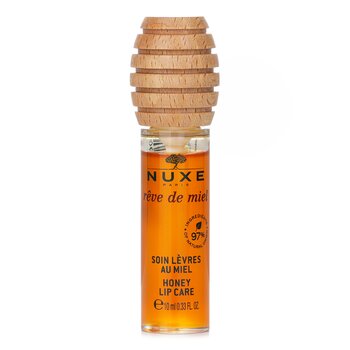
Fenty Beauty Gloss Bomb Universal Lip Luminizer Riri 0.3 oz
Analysis updated August 2026 · How Scout scores
At a glance
Summary
This lip luminizer contains beneficial ingredients like shea butter and tocopherol, which provide moisturizing and antioxidant benefits. However, the presence of synthetic fragrance, which can cause skin irritation, and the use of processed ingredients such as polyethylene and acrylates copolymer, contribute to a moderate processing level. These factors, along with the inclusion of synthetic components, prevent it from achieving a higher score.
Key ingredients 37
Butyrospermum Parkii (Shea) ButterVery Good
Shea butter is a natural fat extracted from the nuts of the shea tree. It is highly moisturizing and nourishing for the skin. It is rich in vitamins and fatty acids, making it beneficial for skin health.
Risks
There are minimal risks, primarily related to allergies in individuals sensitive to nuts.
Benefits
Shea butter deeply moisturizes and conditions the skin, improving its texture and appearance.
Butyrospermum Parkii (Shea) Butter UnsaponifiablesVery Good
Shea butter unsaponifiables are the fraction of shea butter that remains after saponification. They are highly moisturizing and nourishing for the skin. They contain beneficial compounds that support skin health.
Risks
There are minimal risks, primarily related to allergies in individuals sensitive to nuts.
Benefits
They provide deep moisturization and improve skin elasticity and texture.
TocopherolVery Good
Tocopherol, also known as Vitamin E, is an antioxidant that helps protect the skin from damage. It is beneficial for skin health and supports moisture retention. It is widely used in cosmetics for its protective properties.
Risks
There are minimal risks, primarily related to allergies in sensitive individuals.
Benefits
Tocopherol helps to protect the skin from environmental damage and supports skin health.
MicaGood
Beneficial ingredient — whole-food or functional value in this product class.
Risks
There are concerns about ethical sourcing and inhalation risks in powder form, but minimal in this product type.
Benefits
Mica adds a luminous finish to the product, enhancing its visual appeal.
Tocopheryl AcetateGood
Tocopheryl Acetate is a stable form of Vitamin E used as an antioxidant. It helps protect the skin from damage and supports moisture retention. It is beneficial for maintaining skin health.
Risks
Minimal risks, primarily related to potential skin irritation in sensitive individuals.
Benefits
It provides antioxidant protection and helps maintain skin moisture.
Tetrahexyldecyl AscorbateGood
Tetrahexyldecyl Ascorbate is a stable form of Vitamin C used as an antioxidant. It helps brighten the skin and reduce signs of aging. It is beneficial for improving skin tone and texture.
Risks
Minimal risks, primarily related to potential skin irritation in sensitive individuals.
Benefits
It provides antioxidant protection and helps improve skin radiance.
Palmitoyl Tripeptide-1Good
Palmitoyl Tripeptide-1 is a peptide used to support skin health and reduce signs of aging. It is beneficial for improving skin texture and firmness. It is widely used in anti-aging formulations.
Risks
Minimal risks, primarily related to potential skin irritation in sensitive individuals.
Benefits
It helps to improve skin elasticity and reduce the appearance of fine lines.
PolybuteneNeutral
Polybutene is a synthetic polymer used as a binder and thickener in cosmetics. It is generally considered safe for use in cosmetics. It does not provide any direct skin benefits.
Risks
There are minimal risks associated with Polybutene, primarily related to potential skin irritation in sensitive individuals.
Benefits
Polybutene helps improve the texture and application of the product.
OctyldodecanolNeutral
Octyldodecanol is a fatty alcohol used as an emollient and thickening agent. It is generally well-tolerated by the skin. It does not have significant active benefits for skin health.
Risks
Potential risks include mild irritation for those with sensitive skin.
Benefits
It provides a smooth application and helps maintain skin moisture.
Bis-Diglyceryl Polyacyladipate-2Neutral
This ingredient is a synthetic ester used as an emollient and thickener. It is considered safe for use in cosmetics. It does not offer direct skin benefits.
Risks
There are minimal risks, mainly related to potential skin irritation.
Benefits
It enhances the texture and spreadability of the product.
TricaprylinNeutral
Tricaprylin is a triglyceride used as an emollient and skin-conditioning agent. It is generally safe for use in cosmetics. It does not provide significant active benefits.
Risks
Risks are minimal, with potential for mild irritation in sensitive individuals.
Benefits
It helps to moisturize and condition the skin.
Cera Microcristallina/Microcrystalline Wax/Cire MicrocristallineNeutral
Microcrystalline wax is used as a thickening agent and emollient in cosmetics. It is generally considered safe for use. It does not offer direct skin benefits.
Risks
Potential risks include skin irritation, although this is rare.
Benefits
It provides structure and stability to the product.
Silica Dimethyl SilylateNeutral
This ingredient is used as a thickener and anti-caking agent. It is generally considered safe for use in cosmetics. It does not offer direct skin benefits.
Risks
Potential risks include inhalation concerns if used in powder form, but minimal in this product type.
Benefits
It helps to improve the texture and stability of the product.
Vp/Eicosene CopolymerNeutral
Vp/Eicosene Copolymer is a film-forming agent used to provide water resistance. It is generally considered safe for use in cosmetics. It does not offer direct skin benefits.
Risks
Minimal risks, primarily related to potential skin irritation.
Benefits
It helps to improve the longevity and wear of the product.
Vp/Hexadecene CopolymerNeutral
This copolymer is used as a film-forming agent to enhance product durability. It is considered safe for use in cosmetics. It does not provide direct skin benefits.
Risks
Potential risks include skin irritation, though this is uncommon.
Benefits
It improves the product's wear time and resistance to smudging.
Sorbitan OleateNeutral
Sorbitan Oleate is an emulsifier used to stabilize formulations. It is generally considered safe for use in cosmetics. It does not offer direct skin benefits.
Risks
Minimal risks, primarily related to potential skin irritation.
Benefits
It helps to maintain the consistency and stability of the product.
SilicaNeutral
Silica is used as a thickener and absorbent in cosmetics. It is generally considered safe for use. It does not provide direct skin benefits.
Risks
Potential risks include inhalation concerns if used in powder form, but minimal in this product type.
Benefits
Silica helps to improve the texture and mattifying properties of the product.
Octyldodecyl NeopentanoateNeutral
This ingredient is an emollient used to enhance skin feel and product spreadability. It is generally considered safe for use in cosmetics. It does not offer direct skin benefits.
Risks
Minimal risks, primarily related to potential skin irritation.
Benefits
It provides a smooth application and enhances the product's texture.
Ethylhexyl PalmitateNeutral
Ethylhexyl Palmitate is an ester used as an emollient and thickening agent. It is generally considered safe for use in cosmetics. It does not provide direct skin benefits.
Risks
Potential risks include skin irritation, though this is uncommon.
Benefits
It helps to improve the texture and spreadability of the product.
Caprylyl GlycolNeutral
Caprylyl Glycol is used as a skin-conditioning agent and preservative booster. It is generally considered safe for use in cosmetics. It does not provide significant active benefits.
Risks
Minimal risks, primarily related to potential skin irritation.
Benefits
It helps to condition the skin and enhance the product's preservation.
TribeheninNeutral
Tribehenin is an emollient and conditioning agent used in cosmetics. It is generally considered safe for use. It does not provide significant active benefits.
Risks
Minimal risks, primarily related to potential skin irritation.
Benefits
It helps to condition and soften the skin.
Pentaerythrityl Tetra-Di-T-Butyl HydroxyhydrocinnamateNeutral
This ingredient is an antioxidant used to stabilize formulations. It is generally considered safe for use in cosmetics. It does not provide direct skin benefits.
Risks
Minimal risks, primarily related to potential skin irritation.
Benefits
It helps to protect the product from oxidation and extend its shelf life.
Sorbitan IsostearateNeutral
Sorbitan Isostearate is an emulsifier used to stabilize formulations. It is generally considered safe for use in cosmetics. It does not offer direct skin benefits.
Risks
Minimal risks, primarily related to potential skin irritation.
Benefits
It helps to maintain the consistency and stability of the product.
Synthetic FluorphlogopiteNeutral
Synthetic Fluorphlogopite is a synthetic mica used to add shimmer and shine. It is generally considered safe for use in cosmetics. It does not provide direct skin benefits.
Risks
There are minimal risks, primarily related to ethical sourcing concerns.
Benefits
It adds a luminous finish to the product, enhancing its visual appeal.
Lactic AcidNeutral
Lactic Acid is an alpha hydroxy acid used for exfoliation and skin conditioning. It is generally considered safe for use in cosmetics. It does not provide significant active benefits in this formulation.
Risks
Potential risks include skin irritation, especially in sensitive individuals.
Benefits
It helps to gently exfoliate and condition the skin.
Calcium Sodium BorosilicateNeutral
Calcium Sodium Borosilicate is used as a filler and to add shimmer. It is generally considered safe for use in cosmetics. It does not provide direct skin benefits.
Risks
Minimal risks, primarily related to potential skin irritation.
Benefits
It adds a shimmering effect to the product, enhancing its visual appeal.
Calcium Aluminum BorosilicateNeutral
This ingredient is used as a filler and to add shimmer. It is generally considered safe for use in cosmetics. It does not provide direct skin benefits.
Risks
Minimal risks, primarily related to potential skin irritation.
Benefits
It adds a shimmering effect to the product, enhancing its visual appeal.
Polyethylene TerephthalateNeutral
Polyethylene Terephthalate is used as a film-forming agent and to add shimmer. It is generally considered safe for use in cosmetics. It does not provide direct skin benefits.
Risks
There are concerns about microplastic pollution, but it is generally safe for skin.
Benefits
It helps improve the texture and visual appeal of the product.
Tin OxideNeutral
Tin Oxide is used as an opacifying agent and to add shimmer. It is generally considered safe for use in cosmetics. It does not provide direct skin benefits.
Risks
Minimal risks, primarily related to potential skin irritation.
Benefits
It adds a shimmering effect to the product, enhancing its visual appeal.
Titanium Dioxide (CI 77891)Neutral
Titanium Dioxide is used as a pigment and opacifying agent. It is generally considered safe for use in cosmetics. It does not provide direct skin benefits in this formulation.
Risks
Potential risks include inhalation concerns if used in powder form, but minimal in this product type.
Benefits
It provides opacity and enhances the color of the product.
Iron Oxides (CI 77491, CI 77499)Neutral
Iron Oxides are used as pigments to provide color. They are generally considered safe for use in cosmetics. They do not provide direct skin benefits.
Risks
Minimal risks, primarily related to potential skin irritation.
Benefits
They provide color and enhance the visual appeal of the product.
Benzyl BenzoateNeutral
Benzyl Benzoate is used as a solvent and fragrance ingredient. It is generally considered safe for use in cosmetics. It does not provide direct skin benefits.
Risks
Potential risks include allergic reactions or irritation in sensitive individuals.
Benefits
It helps to dissolve other ingredients and enhance the fragrance of the product.
Aroma/FlavorBad
Processed additive flagged under Scout's ingredient doctrine.
Risks
Potential risks include allergic reactions or irritation in sensitive individuals.
Benefits
It enhances the user experience by providing a pleasant scent or taste.
Acrylates CopolymerBad
Processed additive flagged under Scout's ingredient doctrine.
Risks
Minimal risks, primarily related to potential skin irritation.
Benefits
It improves the product's wear time and resistance to smudging.
LimoneneBad
Processed additive flagged under Scout's ingredient doctrine.
Risks
Potential risks include allergic reactions or irritation in sensitive individuals.
Benefits
It provides a pleasant citrus scent to the product.
PolyethyleneVery Bad
Heavily flagged ingredient class under Scout's doctrine.
Risks
There are concerns about microplastic pollution, but it is generally safe for skin.
Benefits
It helps improve the texture and application of the product.
Parfum/FragranceVery Bad
Fragrance is used to impart a pleasant scent to cosmetics. It is a common allergen and can cause skin irritation. It does not provide any skin benefits.
Risks
Fragrance can cause allergic reactions and skin irritation, especially in sensitive individuals.
Benefits
It enhances the sensory experience of the product.
Get the full breakdown in the Scout appTake Scout shopping
Scan any product to see lab results, healthy alternatives, and your personalized analysis.
Download on theApp Store GET IT ONGoogle PlayAmazon pricing & content
Amazon price as of . Product prices and availability are accurate as of the date/time indicated and are subject to change. Any price and availability information displayed on Amazon.com at the time of purchase will apply to the purchase of this product.
CERTAIN CONTENT THAT APPEARS ON THIS SITE COMES FROM AMAZON. THIS CONTENT IS PROVIDED “AS IS” AND IS SUBJECT TO CHANGE OR REMOVAL AT ANY TIME.