

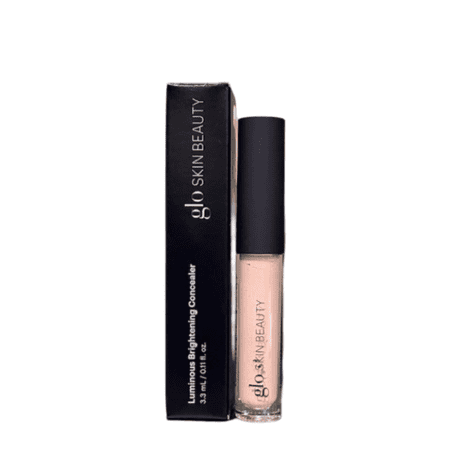

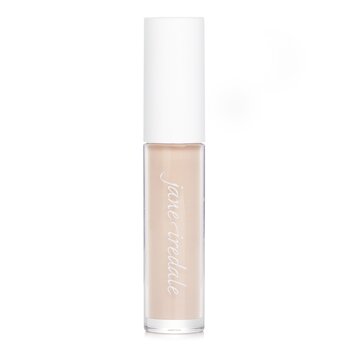

Rare Beauty by Selena Gomez Liquid Touch Brightening Concealer 120C
Analysis updated August 2026 · How Scout scores
At a glance
Summary
This concealer contains beneficial ingredients like glycerin, sunflower seed oil, and tocopheryl acetate, which provide moisturizing and antioxidant benefits. However, it also includes synthetic components such as dimethicone and PEG/PPG compounds, which are common in cosmetics but contribute to a higher processing level. The presence of phenoxyethanol, a preservative, further impacts the score, although it is generally considered safe in low concentrations.
Key ingredients 33
Helianthus Annuus (Sunflower) Seed OilVery Good
Sunflower Seed Oil is a natural oil rich in fatty acids and vitamin E, providing moisturizing and antioxidant benefits. It helps to nourish and protect the skin. It is considered safe and beneficial for most skin types.
Risks
There are no significant risks associated with sunflower seed oil.
Benefits
Moisturizes and nourishes the skin, providing antioxidant protection.
GlycerinGood
Glycerin is a humectant that attracts moisture to the skin, helping to keep it hydrated. It is widely used in cosmetics for its moisturizing properties. It is considered safe and beneficial for most skin types.
Risks
There are no significant risks associated with glycerin.
Benefits
Helps to maintain skin hydration and improve skin barrier function.
Tocopheryl AcetateGood
Tocopheryl Acetate is a form of vitamin E used for its antioxidant properties. It helps to protect the skin from free radical damage. It is considered safe and beneficial for most skin types.
Risks
There are no significant risks associated with tocopheryl acetate.
Benefits
Provides antioxidant protection and helps to maintain skin health.
Decyl GlucosideGood
Beneficial ingredient — whole-food or functional value in this product class.
Risks
There are no significant risks associated with decyl glucoside.
Benefits
Enhances the texture and spreadability of the product.
Water/Aqua/EauNeutral
Water is a common solvent used in cosmetics to dissolve other ingredients. It helps in the application and absorption of the product. It does not provide direct benefits or risks.
Risks
There are no significant risks associated with water in cosmetics.
Benefits
Water helps in the even distribution of the product on the skin.
Hydrogenated DideceneNeutral
Hydrogenated Didecene is an emollient that helps to soften and smooth the skin. It is used to improve the texture of the product. It is generally considered safe for use in cosmetics.
Risks
There are no significant risks associated with this ingredient.
Benefits
Helps to improve skin texture and provides a smooth application.
Cetyl PEG/PPG-10/1 DimethiconeNeutral
This ingredient is a silicone-based emulsifier that helps to blend water and oil components. It enhances the spreadability of the product. It is generally considered safe for use in cosmetics.
Risks
May cause irritation in very sensitive skin types.
Benefits
Improves the texture and application of the product.
PropanediolNeutral
Propanediol is a glycol used as a solvent and skin-conditioning agent. It helps to improve the absorption of other ingredients. It is generally considered safe for use in cosmetics.
Risks
May cause irritation in sensitive skin when used in high concentrations.
Benefits
Enhances the penetration of active ingredients into the skin.
Acrylates/Polytrimethylsiloxymethacrylate CopolymerNeutral
This copolymer is used as a film-forming agent to provide a smooth finish and improve wear time. It helps in the even application of the product. It is generally considered safe for use in cosmetics.
Risks
May cause irritation in sensitive skin types.
Benefits
Improves the longevity and appearance of the product on the skin.
Boron NitrideNeutral
Boron Nitride is used to improve the texture and spreadability of cosmetic products. It provides a soft-focus effect, reducing the appearance of fine lines. It is generally considered safe for use in cosmetics.
Risks
There are no significant risks associated with boron nitride.
Benefits
Enhances the texture and appearance of the skin by providing a soft-focus effect.
Polyglyceryl-4 IsostearateNeutral
This ingredient is an emulsifier that helps to blend oil and water components in cosmetics. It improves the stability and texture of the product. It is generally considered safe for use in cosmetics.
Risks
There are no significant risks associated with this ingredient.
Benefits
Enhances the stability and texture of the product.
TrimethylsiloxysilicateNeutral
Trimethylsiloxysilicate is a silicone resin used to form a flexible film on the skin, improving wear time. It helps in the even application of the product. It is generally considered safe for use in cosmetics.
Risks
May cause irritation in sensitive skin types.
Benefits
Improves the longevity and appearance of the product on the skin.
IsododecaneNeutral
Isododecane is a solvent used to enhance the spreadability and lightweight feel of cosmetics. It evaporates quickly, leaving a non-greasy finish. It is generally considered safe for use in cosmetics.
Risks
There are no significant risks associated with isododecane.
Benefits
Provides a lightweight, non-greasy finish to the product.
Disodium Stearoyl GlutamateNeutral
This ingredient is an emulsifier that helps to stabilize and blend the formulation. It is derived from amino acids and fatty acids. It is generally considered safe for use in cosmetics.
Risks
There are no significant risks associated with this ingredient.
Benefits
Improves the stability and texture of the product.
Disteardimonium HectoriteNeutral
Disteardimonium Hectorite is a thickening agent used to improve the texture and stability of cosmetics. It helps to suspend pigments evenly in the formulation. It is generally considered safe for use in cosmetics.
Risks
There are no significant risks associated with this ingredient.
Benefits
Enhances the texture and stability of the product.
HydroxyacetophenoneNeutral
Hydroxyacetophenone is an antioxidant and preservative used to protect the product from degradation. It helps to maintain the efficacy of the formulation. It is generally considered safe for use in cosmetics.
Risks
There are no significant risks associated with hydroxyacetophenone.
Benefits
Protects the product from oxidative damage and extends shelf life.
Oryza Sativa (Rice) Bran WaxNeutral
Rice Bran Wax is used as a thickening agent and emollient in cosmetics. It helps to improve the texture and consistency of the product. It is generally considered safe for use in cosmetics.
Risks
There are no significant risks associated with rice bran wax.
Benefits
Improves the texture and consistency of the product.
Sodium ChlorideNeutral
Sodium Chloride is used as a thickening agent and to adjust the viscosity of cosmetic products. It is commonly used in small amounts. It is generally considered safe for use in cosmetics.
Risks
There are no significant risks associated with sodium chloride.
Benefits
Helps to adjust the viscosity and improve the texture of the product.
Dimethicone CrosspolymerNeutral
Dimethicone Crosspolymer is a silicone-based ingredient used to provide a smooth application and improve the texture of cosmetics. It forms a flexible film on the skin. It is generally considered safe for use in cosmetics.
Risks
May cause irritation in very sensitive skin types.
Benefits
Provides a smooth application and improves the texture of the product.
Caprylyl GlycolNeutral
Caprylyl Glycol is a humectant and skin-conditioning agent used to improve the moisture content of the skin. It also acts as a preservative booster. It is generally considered safe for use in cosmetics.
Risks
There are no significant risks associated with caprylyl glycol.
Benefits
Enhances skin hydration and boosts the efficacy of preservatives.
1,2-HexanediolNeutral
1,2-Hexanediol is a solvent and preservative used to improve the texture and stability of cosmetics. It helps to enhance the efficacy of other preservatives. It is generally considered safe for use in cosmetics.
Risks
There are no significant risks associated with 1,2-hexanediol.
Benefits
Improves the texture and stability of the product.
Phenyl TrimethiconeNeutral
Phenyl Trimethicone is a silicone-based ingredient used to provide a smooth application and improve the texture of cosmetics. It helps to enhance the spreadability of the product. It is generally considered safe for use in cosmetics.
Risks
May cause irritation in very sensitive skin types.
Benefits
Provides a smooth application and improves the texture of the product.
Aluminum HydroxideNeutral
Aluminum Hydroxide is used as a thickening agent and to improve the opacity of cosmetics. It helps to enhance the texture and appearance of the product. It is generally considered safe for use in cosmetics.
Risks
There are no significant risks associated with aluminum hydroxide.
Benefits
Improves the texture and appearance of the product.
Trisodium Ethylenediamine DisuccinateNeutral
This ingredient is a chelating agent used to improve the stability and efficacy of cosmetic formulations. It helps to bind metal ions that can degrade the product. It is generally considered safe for use in cosmetics.
Risks
There are no significant risks associated with this ingredient.
Benefits
Enhances the stability and efficacy of the product.
DimethiconolNeutral
Dimethiconol is a silicone-based ingredient used to provide a smooth application and improve the texture of cosmetics. It forms a flexible film on the skin. It is generally considered safe for use in cosmetics.
Risks
May cause irritation in very sensitive skin types.
Benefits
Provides a smooth application and improves the texture of the product.
Gardenia Florida Fruit ExtractNeutral
Gardenia Florida Fruit Extract is used for its fragrance and potential antioxidant properties. It helps to enhance the sensory experience of the product. It is generally considered safe for use in cosmetics.
Risks
May cause irritation in very sensitive skin types.
Benefits
Provides a pleasant fragrance and potential antioxidant benefits.
Hexylene GlycolNeutral
Hexylene Glycol is a solvent and viscosity-reducing agent used to improve the texture and spreadability of cosmetics. It helps to enhance the absorption of other ingredients. It is generally considered safe for use in cosmetics.
Risks
May cause irritation in sensitive skin when used in high concentrations.
Benefits
Improves the texture and absorption of the product.
Nelumbo Nucifera (Sacred Lotus) Flower ExtractNeutral
Sacred Lotus Flower Extract is used for its potential antioxidant and soothing properties. It helps to enhance the sensory experience of the product. It is generally considered safe for use in cosmetics.
Risks
There are no significant risks associated with this ingredient.
Benefits
Provides potential antioxidant and soothing benefits.
Nymphaea Odorata Root ExtractNeutral
Nymphaea Odorata Root Extract is used for its potential soothing and antioxidant properties. It helps to enhance the sensory experience of the product. It is generally considered safe for use in cosmetics.
Risks
There are no significant risks associated with this ingredient.
Benefits
Provides potential soothing and antioxidant benefits.
Titanium Dioxide (CI 77891)Neutral
Titanium Dioxide is used as a pigment and UV filter in cosmetics. It helps to provide coverage and sun protection. It is generally considered safe for use in cosmetics.
Risks
There are no significant risks associated with titanium dioxide in non-nano form.
Benefits
Provides coverage and sun protection.
Iron Oxides (CI 77491, CI 77492, CI 77499)Neutral
Iron Oxides are used as pigments to provide color in cosmetics. They are stable and non-reactive. They are generally considered safe for use in cosmetics.
Risks
There are no significant risks associated with iron oxides.
Benefits
Provide stable and non-reactive color to the product.
DimethiconeBad
Occlusive silicone film-former — flagged under clean-beauty doctrine.
Risks
May cause breakouts in very sensitive skin due to occlusive properties.
Benefits
Provides a silky texture and helps to fill in fine lines and pores.
PhenoxyethanolBad
Processed additive flagged under Scout's ingredient doctrine.
Risks
May cause irritation in sensitive skin when used in high concentrations.
Benefits
Prevents microbial growth and extends the shelf life of the product.
Get the full breakdown in the Scout appTake Scout shopping
Scan any product to see lab results, healthy alternatives, and your personalized analysis.
Download on theApp Store GET IT ONGoogle PlayAmazon pricing & content
Amazon price as of . Product prices and availability are accurate as of the date/time indicated and are subject to change. Any price and availability information displayed on Amazon.com at the time of purchase will apply to the purchase of this product.
CERTAIN CONTENT THAT APPEARS ON THIS SITE COMES FROM AMAZON. THIS CONTENT IS PROVIDED “AS IS” AND IS SUBJECT TO CHANGE OR REMOVAL AT ANY TIME.