
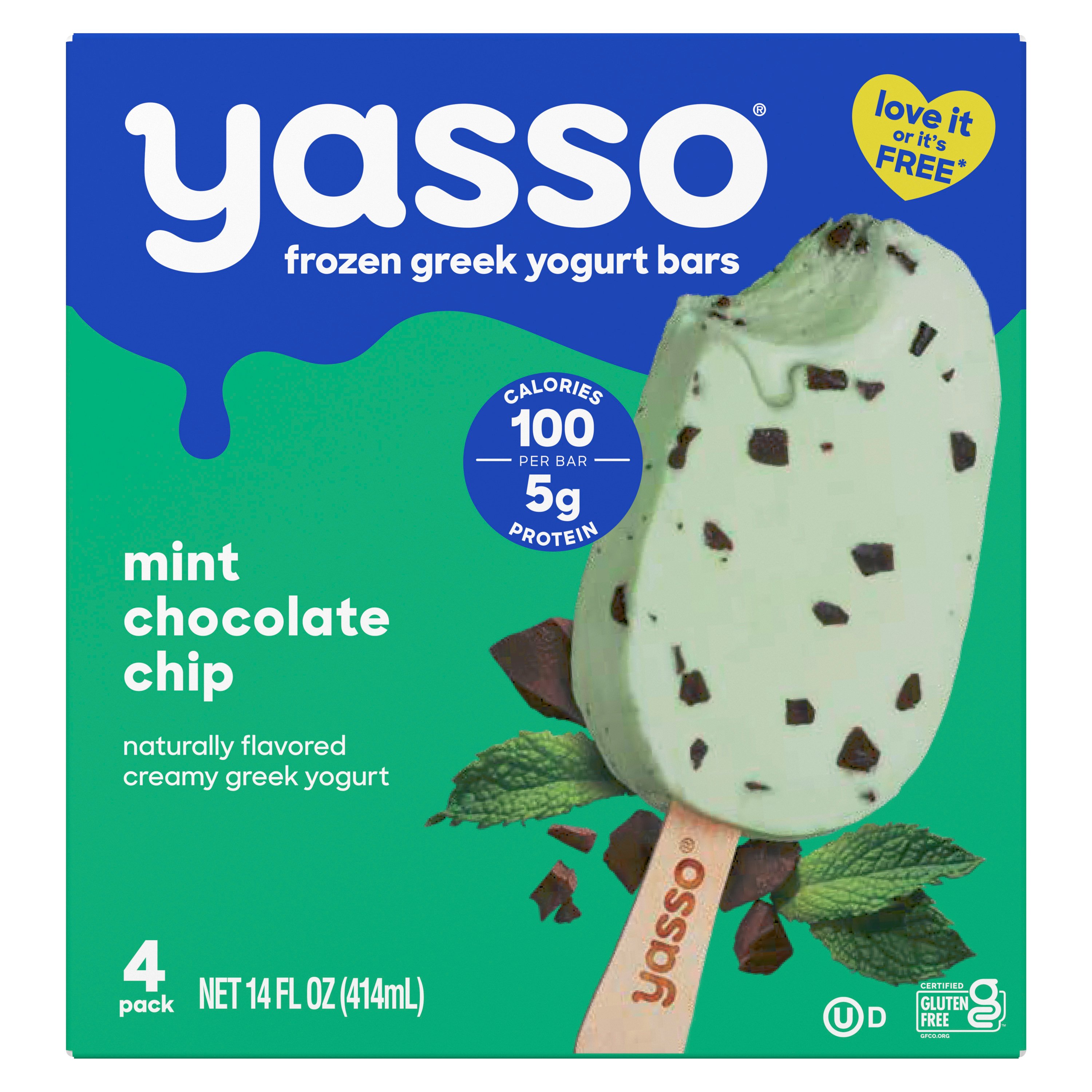

Mint Chocolate Chip Frozen Greek Yogurt
Summary
This frozen Greek yogurt contains beneficial ingredients like nonfat Greek yogurt and cocoa powder, which provide protein and antioxidants. However, it is heavily processed and includes refined sugars and natural flavors, which detract from its healthiness. The high level of processing and presence of added sugars limit its overall nutritional quality.
At a glance
Key ingredients 19
Nonfat MilkNeutral
Nonfat milk is a source of protein and calcium but lacks the beneficial fats found in whole milk. It is often used in low-fat products to reduce calorie content. The absence of fat may affect the absorption of fat-soluble vitamins.
Benefits
Provides protein and calcium, which are essential for bone health.
Nonfat Greek YogurtGood
Nonfat Greek yogurt is rich in protein and probiotics, supporting digestive health. It is strained to remove whey, resulting in a thicker texture and higher protein content. The lack of fat may reduce the absorption of certain nutrients.
Benefits
High in protein and contains probiotics that promote gut health.
SugarBad
Refined sugar is a high-calorie sweetener with no essential nutrients. Excessive consumption can lead to weight gain and increased risk of chronic diseases. It is often added to enhance flavor but can contribute to unhealthy dietary patterns.
Risks
High intake of sugar is linked to obesity, type 2 diabetes, and heart disease.
Chocolate Flavored FlakeNeutral
Chocolate flavored flakes are typically made with cocoa and sugar, providing a chocolate taste. They may contain additional ingredients like emulsifiers or flavorings. The processing can reduce the natural benefits of cocoa.
Risks
May contain added sugars and fats that contribute to calorie intake.
Benefits
Provides a chocolate flavor that enhances the sensory appeal of the product.
Powdered SugarBad
Powdered sugar is a finely ground form of sugar often used for texture and sweetness. It is a refined carbohydrate with no nutritional value. Excessive consumption can lead to health issues similar to those of regular sugar.
Risks
Contributes to increased calorie intake and potential for weight gain.
Corn StarchNeutral
Corn starch is a common thickening agent used in food products. It is derived from corn and is mostly composed of carbohydrates. While it provides texture, it lacks significant nutritional value.
Benefits
Improves texture and consistency of the product.
Coconut OilGood
Coconut oil is a source of medium-chain triglycerides (MCTs), which may support metabolism. It is less processed compared to seed oils and provides a distinct flavor. Its saturated fat content is higher, which may be a concern for some individuals.
Risks
High in saturated fats, which may affect heart health if consumed in excess.
Benefits
Contains MCTs that can be quickly used for energy and may support metabolic health.
Cocoa Processed With AlkaliNeutral
Cocoa processed with alkali, also known as Dutch-processed cocoa, has a milder flavor and darker color. The alkalization process reduces acidity but may also decrease antioxidant levels. It is used to enhance the chocolate flavor in products.
Risks
May have reduced antioxidant content compared to natural cocoa.
Benefits
Provides a rich chocolate flavor and color to the product.
Cocoa PowderGood
Cocoa powder is rich in flavonoids, which have antioxidant properties. It is minimally processed and retains more nutrients compared to Dutch-processed cocoa. Cocoa can support heart health and improve mood.
Benefits
Rich in antioxidants that may support cardiovascular health and improve mood.
Natural FlavorBad
Natural flavors are additives used to enhance taste, but their exact composition is often undisclosed. They can be derived from natural sources but are processed to achieve desired flavors. The lack of transparency can be concerning for consumers seeking clean labels.
Risks
Potential for undisclosed allergens or sensitivities due to lack of ingredient transparency.
Benefits
Enhances flavor without adding calories.
Milk Protein ConcentrateGood
Milk protein concentrate is a high-protein ingredient derived from milk, providing essential amino acids. It is used to boost protein content in dairy products. The concentration process retains most of the milk's nutritional benefits.
Benefits
Provides a concentrated source of high-quality protein.
MaltodextrinNeutral
Maltodextrin is a carbohydrate derived from starch, used as a thickener or filler. It is rapidly absorbed and can cause spikes in blood sugar levels. It is often used in processed foods for texture and stability.
Risks
May cause blood sugar spikes, particularly in individuals with insulin sensitivity.
Benefits
Improves texture and stability of food products.
CreamGood
Cream is a dairy product rich in fats and fat-soluble vitamins. It adds richness and flavor to foods and is less processed than many other fat sources. The presence of saturated fats may be a concern for some individuals.
Risks
High in saturated fats, which may affect heart health if consumed in excess.
Benefits
Provides richness and enhances flavor, while supplying fat-soluble vitamins.
Mint ExtractGood
Mint extract is derived from mint leaves and provides a refreshing flavor. It is used in small amounts and is generally considered safe. Mint has been associated with digestive benefits and a soothing effect.
Benefits
Adds a refreshing flavor and may aid digestion.
Locust Bean GumNeutral
Locust bean gum is a natural thickening agent derived from carob seeds. It is used to improve texture and stability in food products. It is generally recognized as safe but may cause digestive issues in sensitive individuals.
Risks
May cause digestive discomfort in some individuals when consumed in large amounts.
Benefits
Improves texture and stability of food products.
Guar GumNeutral
Guar gum is a thickening agent derived from guar beans, used to improve texture in foods. It is high in soluble fiber, which can aid digestion. Excessive consumption may lead to digestive discomfort.
Risks
May cause digestive discomfort if consumed in large quantities.
Benefits
Provides soluble fiber that can aid in digestion.
Vanilla ExtractGood
Vanilla extract is derived from vanilla beans and adds a rich flavor to foods. It is minimally processed and contains antioxidants. Vanilla is often used to enhance the flavor profile of sweet products.
Benefits
Adds flavor and contains antioxidants.
Spirulina ExtractGood
Spirulina extract is derived from blue-green algae and is rich in nutrients and antioxidants. It is used for its color and potential health benefits. Spirulina is known for its high protein content and immune-supporting properties.
Benefits
Rich in nutrients and antioxidants, supporting overall health.
Turmeric OleoresinGood
Turmeric oleoresin is a concentrated extract of turmeric, known for its anti-inflammatory properties. It is used for its color and potential health benefits. Turmeric contains curcumin, which has been studied for its health-promoting effects.
Benefits
Contains curcumin, which has anti-inflammatory and antioxidant properties.
Processing
Ultra-Processed Foods
Get the full breakdown in the Scout app
Scan any product to see lab results, healthy alternatives, and your personalized analysis.
Download on theApp Store