
Nuts for Cheese - Organic & Dairy-Free Cheese | Multiple Flavors
Analysis updated August 2026 · How Scout scores
At a glance
Summary
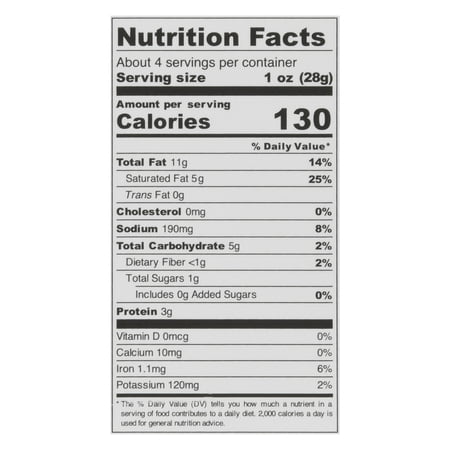
This dairy-free cheese alternative is made with high-quality ingredients like cashews, coconut oil, and nutritional yeast, which provide healthy fats and essential nutrients. The product is processed but maintains a clean ingredient list without artificial additives or seed oils, making it a healthier option within its category. The use of organic ingredients further enhances its nutritional profile, although the processing level limits its maximum score.
Key ingredients 8
CashewsGood
Cashews are a nutrient-dense nut providing healthy fats, protein, and essential minerals. They are minimally processed and often used in plant-based products for their creamy texture. Organic sourcing enhances their nutritional profile by avoiding pesticides.
Risks
Potential allergen for individuals with nut allergies.
Benefits
Rich in monounsaturated fats, which support heart health, and contain magnesium and zinc, which are beneficial for bone health.
Coconut OilGood
Coconut oil is a source of medium-chain triglycerides (MCTs), which are easily metabolized for energy. It is minimally processed and often used in plant-based products for its solid texture at room temperature. Organic coconut oil avoids chemical residues.
Risks
High in saturated fats, which should be consumed in moderation.
Benefits
Provides quick energy due to MCTs and may support weight management and cognitive function.
Coconut MilkGood
Coconut milk is a creamy, plant-based alternative to dairy, rich in healthy fats. It is minimally processed and provides a natural source of lauric acid, which has antimicrobial properties. Organic coconut milk ensures no chemical additives.
Risks
High in calories and saturated fats, which can contribute to weight gain if consumed in excess.
Benefits
Offers a rich source of healthy fats and can support immune health due to its lauric acid content.
Sea SaltGood
Sea salt is a natural source of sodium and trace minerals, minimally processed from evaporated seawater. It enhances flavor without the need for artificial additives. Its unrefined nature retains beneficial minerals like magnesium and calcium.
Risks
Excessive sodium intake can lead to high blood pressure and cardiovascular issues.
Benefits
Provides essential electrolytes and trace minerals that support hydration and nerve function.
Nutritional YeastGood
Nutritional yeast is a deactivated yeast rich in B-vitamins and protein, often used in vegan diets for its cheesy flavor. It is minimally processed and fortified with additional nutrients. Its savory taste makes it a popular seasoning in plant-based foods.
Benefits
Excellent source of B-vitamins, including B12, which is crucial for vegans, and provides a complete protein profile.
WaterNeutral
Water is used as a base ingredient in many food products, providing no calories or nutrients. It is essential for hydration and acts as a solvent in food processing. Its inclusion in the product is standard and expected.
See more about Water →Quinoa RejuvelacNeutral
Quinoa rejuvelac is a fermented beverage made from quinoa, providing probiotics that may support gut health. It is a minimally processed ingredient used in plant-based products for its fermentation properties. The fermentation process enhances its probiotic content.
Risks
Potential allergen for individuals sensitive to quinoa.
Benefits
May support digestive health due to its probiotic content.
Chickpea MisoNeutral
Chickpea miso is a fermented paste made from chickpeas, rice, and salt, offering umami flavor and probiotics. It is a minimally processed ingredient used in plant-based products for its savory taste. Fermentation enhances its probiotic content and digestibility.
Risks
Potential allergen for individuals sensitive to chickpeas.
Benefits
Provides probiotics that may support gut health and adds depth of flavor to foods.
Processing
Processed Foods
Get the full breakdown in the Scout appTake Scout shopping
Scan any product to see lab results, healthy alternatives, and your personalized analysis.
Download on theApp Store GET IT ONGoogle Play