


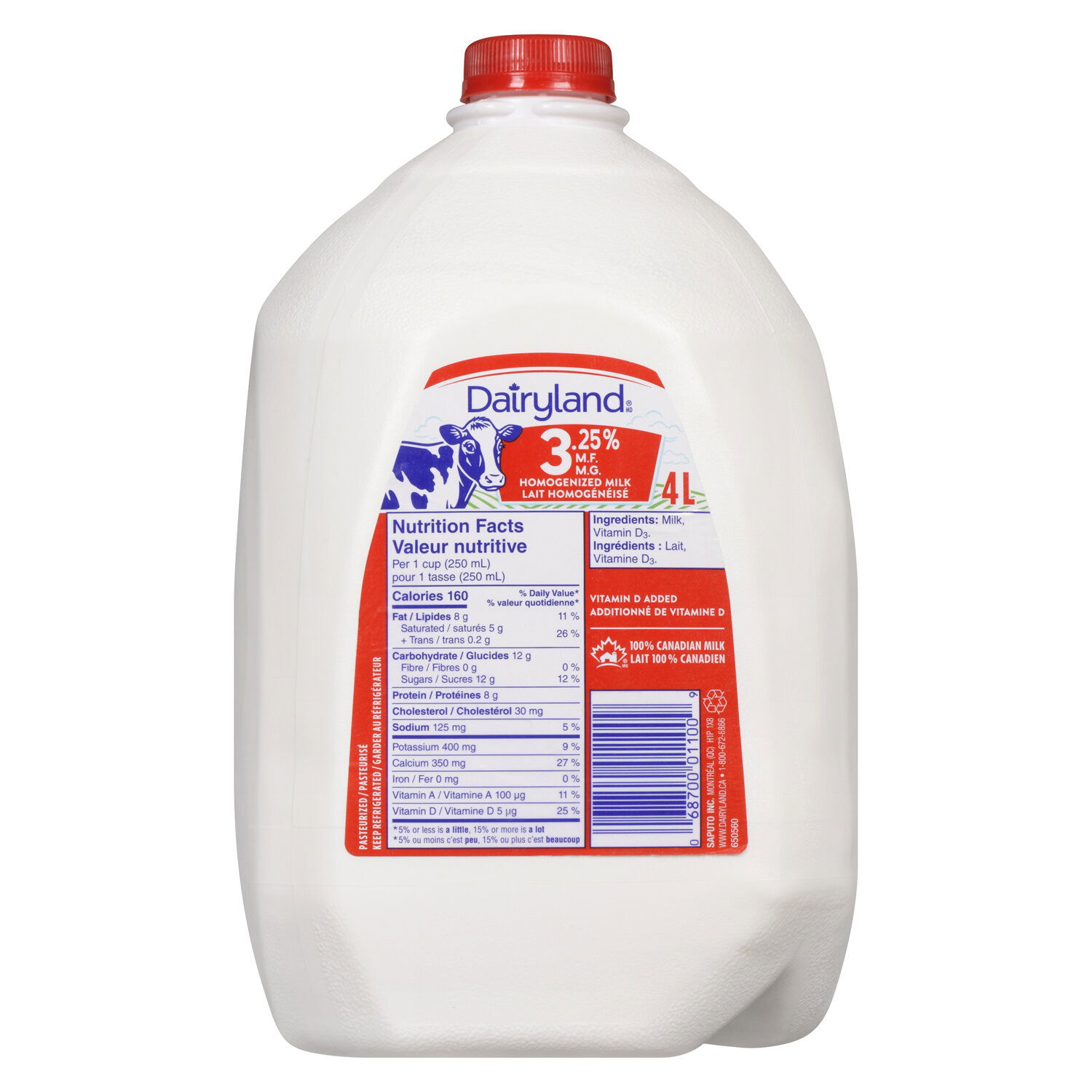
At a glance
Summary
This lactose-free semi-skimmed milk is fortified with essential vitamins A, D, and E, enhancing its nutritional profile. The addition of lactase enzyme makes it suitable for lactose-intolerant individuals without compromising the milk's natural benefits. Despite being processed, it maintains a clean ingredient list with no harmful additives, allowing it to score well within its category.
Key ingredients 4
Semi-skimmed cow's milkGood
Semi-skimmed cow's milk provides essential nutrients like calcium and protein. It is a good source of vitamins and minerals while being lower in fat compared to whole milk. The processing removes some fat but retains most of the nutritional benefits.
Risks
Potential lactose intolerance for some individuals, although this product is lactose-free.
Benefits
Rich in calcium and protein, supporting bone health and muscle maintenance.
Lactase enzymeGood
Lactase enzyme is added to break down lactose, making the milk suitable for lactose-intolerant individuals. It enhances digestibility without altering the nutritional profile of the milk. This enzyme is crucial for those who cannot naturally digest lactose.
Benefits
Enables lactose-intolerant individuals to consume dairy without discomfort.
Vitamins A, D, and EGood
Vitamins A, D, and E are essential nutrients that support various bodily functions. Vitamin D aids in calcium absorption, while vitamins A and E provide antioxidant benefits. Fortification ensures adequate intake of these vitamins, especially in populations with deficiencies.
Risks
Excessive intake of fat-soluble vitamins can lead to toxicity, but this is unlikely through fortified milk.
Benefits
Supports immune function, bone health, and provides antioxidant protection.
Folic acidNeutral
Folic acid is a synthetic form of folate, a B-vitamin important for cell division and DNA synthesis. It is often added to foods to prevent deficiencies, particularly in pregnant women. While beneficial, it is not naturally occurring in milk.
Risks
Excessive folic acid intake can mask vitamin B12 deficiency symptoms.
Benefits
Essential for DNA synthesis and cell division, particularly important during pregnancy.
Processing
Processed Foods
Get the full breakdown in the Scout appTake Scout shopping
Scan any product to see lab results, healthy alternatives, and your personalized analysis.
Download on theApp Store GET IT ONGoogle Play