


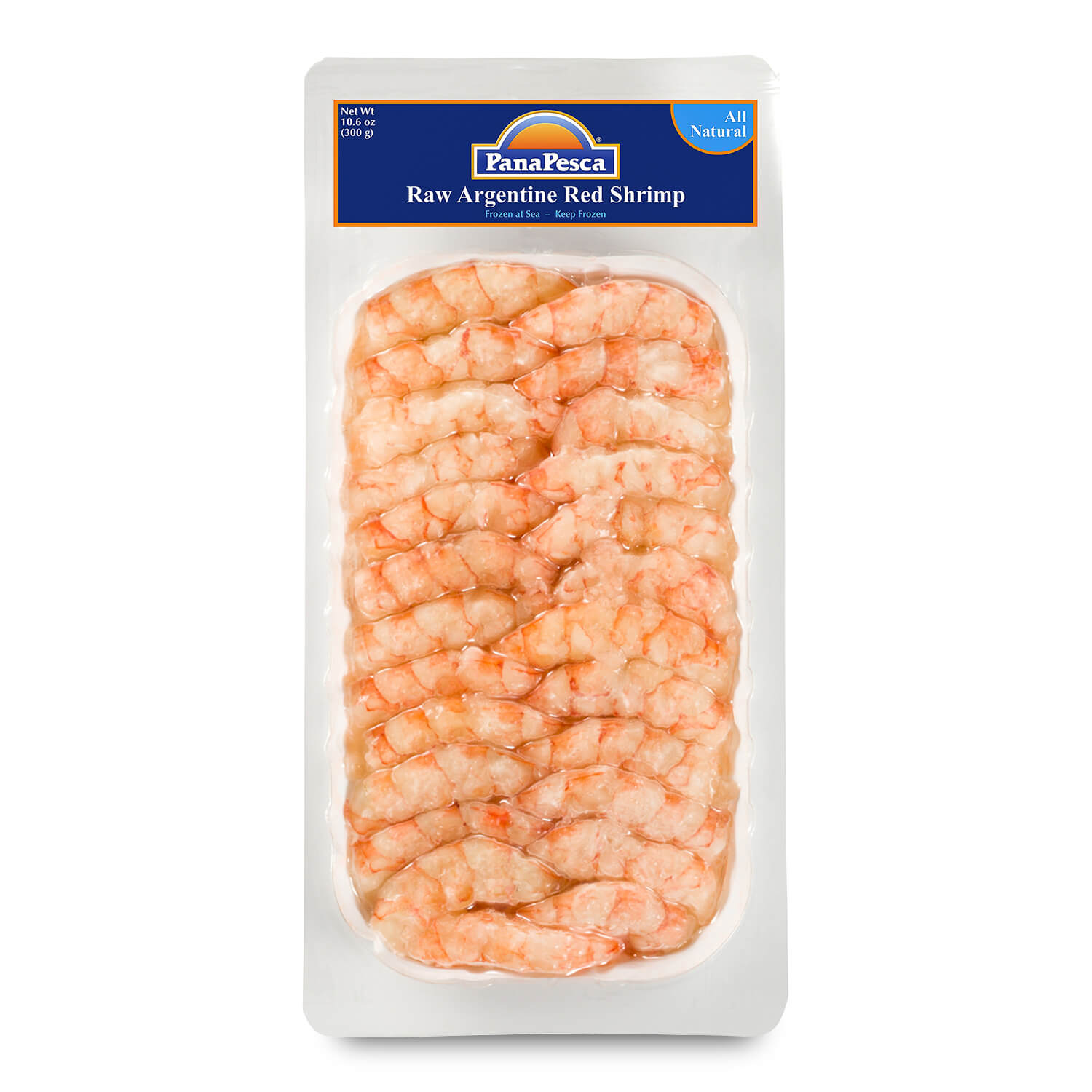
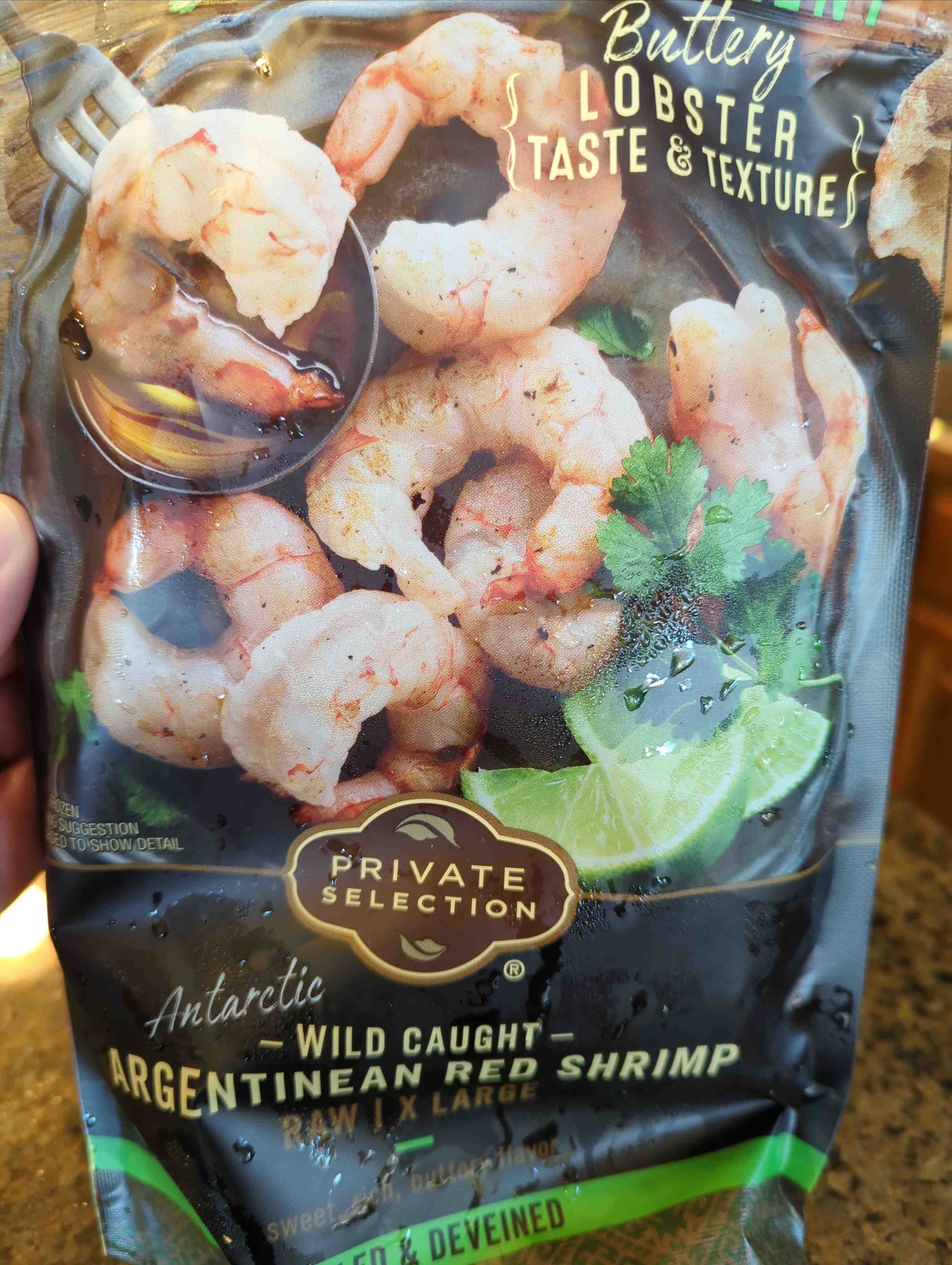
At a glance
Summary
The product consists mainly of wild-caught shrimp, which is a high-quality source of protein and essential nutrients. However, the presence of sodium metabisulfite as a preservative introduces a potential allergen risk and contributes to its processed nature. Despite being a processed food, the ingredient list is relatively clean, with only one additive, allowing for a moderate score.
Key ingredients 2
ShrimpGood
Shrimp is a high-quality source of protein and essential nutrients like selenium and vitamin B12. It is low in fat and calories, making it a healthy choice for many diets. Wild-caught shrimp is generally considered more sustainable and has a better nutrient profile compared to farmed shrimp.
Risks
Potential allergen for individuals with shellfish allergies.
Benefits
Rich in protein and low in calories, providing essential nutrients such as selenium and vitamin B12.
Sodium MetabisulfiteBad
Sodium metabisulfite is a preservative used to prevent spoilage and discoloration in seafood. It can cause allergic reactions in sensitive individuals, particularly those with asthma. While effective as a preservative, it does not provide any nutritional benefits.
Risks
May cause allergic reactions, especially in individuals with asthma or sulfite sensitivity.
Processing
Processed Foods
Get the full breakdown in the Scout appTake Scout shopping
Scan any product to see lab results, healthy alternatives, and your personalized analysis.
Download on theApp Store GET IT ONGoogle Play