


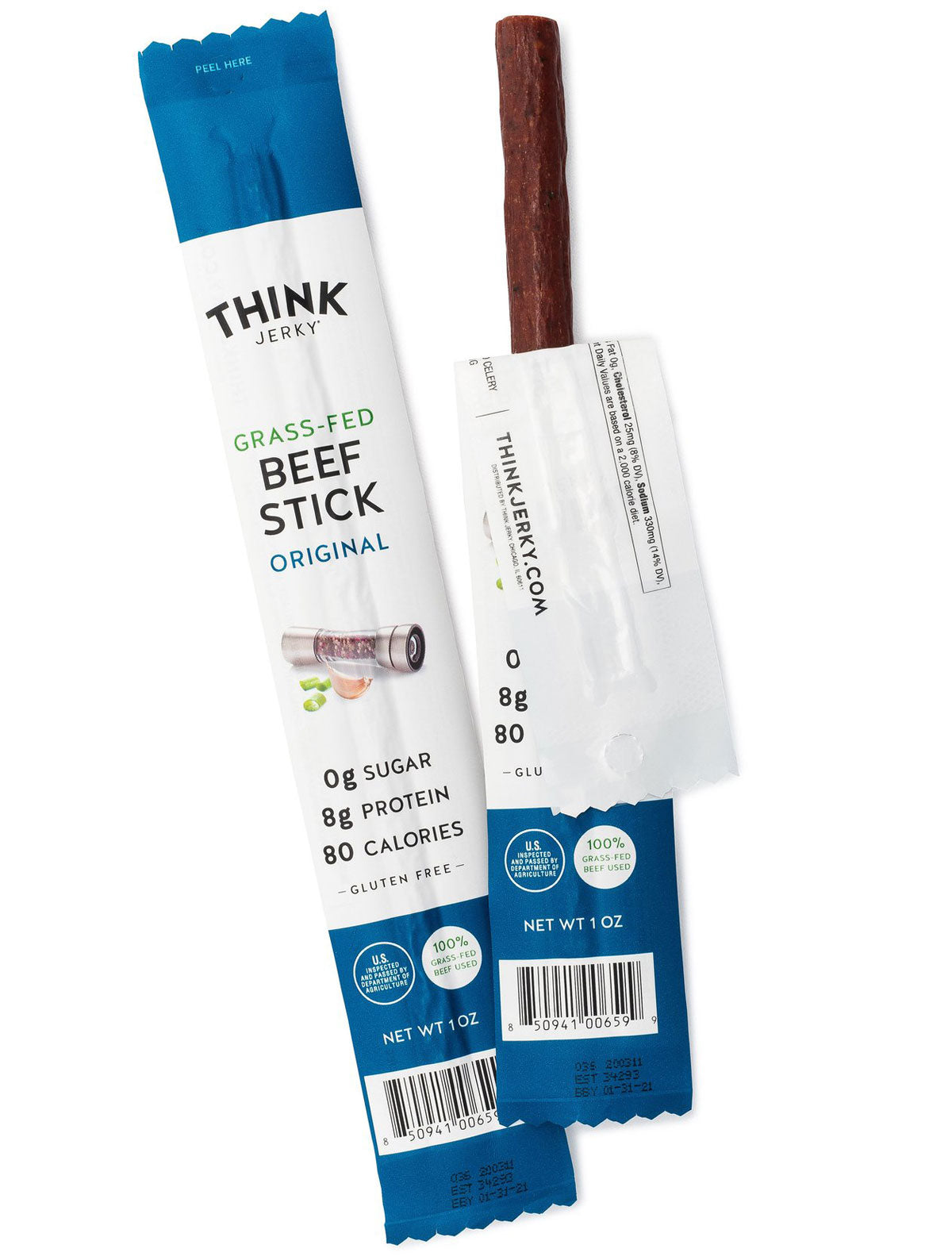


Anthem Hot Honey Beef Stick
Analysis updated June 2026 · How Scout scores
At a glance
Summary
The Hot Honey Beef Stick is a processed food with a relatively clean ingredient list, featuring beef as a high-quality protein source. However, the presence of brown sugar and encapsulated citric acid introduces added sugars and processed additives, which can impact health negatively when consumed in excess. The processing level limits the score, but the absence of seed oils and artificial additives helps maintain a moderate rating.
Key ingredients 7
BeefVery Good
Beef is a high-quality source of protein and essential nutrients, making it a beneficial ingredient for muscle health and overall nutrition.
See more about Beef →HoneyGood
Traditional whole-food sweetener with trace enzymes and antioxidants.
See more about Honey →Sea SaltGood
Sea salt provides essential minerals and enhances flavor, but should be used in moderation to avoid excessive sodium intake.
See more about Sea Salt →WaterNeutral
Water is essential for hydration and processing of ingredients, with no significant health concerns.
See more about Water →Encapsulated Citric AcidNeutral
Citric acid is used as a preservative and flavor enhancer, generally safe in small amounts.
See more about Encapsulated Citric Acid →Brown SugarBad
Brown sugar is added for sweetness but contributes to high sugar content, which can negatively impact health if consumed excessively.
See more about Brown Sugar →Cultured Celery PowderBad
Cultured celery powder is used as a natural preservative but may contain nitrates, which some consumers prefer to avoid.
See more about Cultured Celery Powder →Processing
Processed Foods
Get the full breakdown in the Scout appTake Scout shopping
Scan any product to see lab results, healthy alternatives, and your personalized analysis.
Download on theApp Store GET IT ONGoogle PlayAmazon pricing & content
Amazon price as of . Product prices and availability are accurate as of the date/time indicated and are subject to change. Any price and availability information displayed on Amazon.com at the time of purchase will apply to the purchase of this product.
CERTAIN CONTENT THAT APPEARS ON THIS SITE COMES FROM AMAZON. THIS CONTENT IS PROVIDED “AS IS” AND IS SUBJECT TO CHANGE OR REMOVAL AT ANY TIME.