
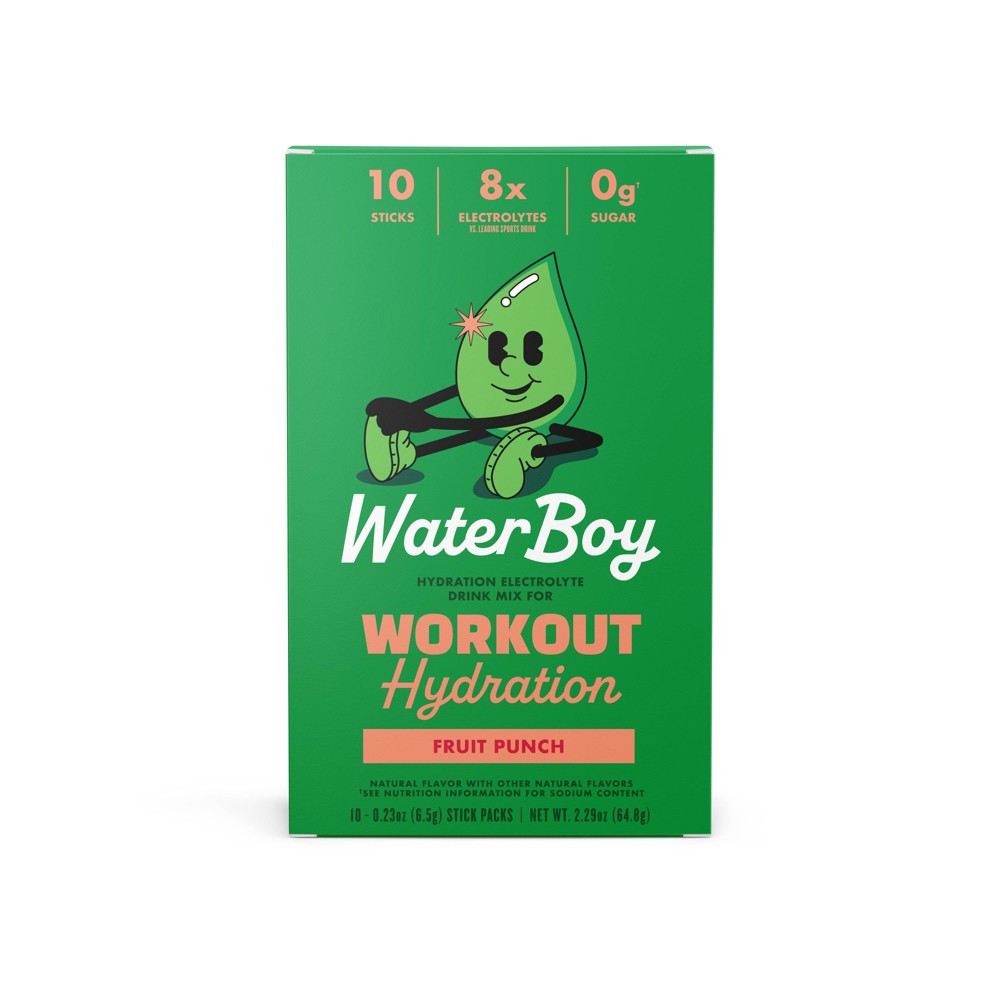

Waterboy Workout Hydration Dietary Supplement Powder - Fruit Punch - 10ct
Analysis updated September 2026 · How Scout scores
At a glance
Summary
This electrolyte supplement features high-quality ingredients such as pink Himalayan salt, potassium citrate, and magnesium citrate, which are beneficial for hydration and muscle function. The use of organic stevia as a natural sweetener is a positive aspect, avoiding artificial sweeteners and dyes. The presence of 'natural flavor' is a minor concern due to its lack of transparency, but overall, the product maintains a clean label with minimal processing.
Key ingredients 8
Pink Himalayan SaltGood
Pink Himalayan salt is a natural source of sodium and trace minerals, which are essential for maintaining electrolyte balance. It is less processed than regular table salt and contains additional minerals like potassium and magnesium. This makes it a beneficial ingredient for hydration and electrolyte replenishment.
Risks
Excessive consumption of salt can lead to high blood pressure and other cardiovascular issues.
Benefits
Provides essential electrolytes and trace minerals that support hydration and muscle function.
Potassium CitrateGood
Potassium citrate is a source of potassium, an essential mineral that helps maintain fluid balance and supports muscle function. It is often used in supplements to prevent or treat low blood potassium levels. Its citrate form may also help reduce the risk of kidney stones.
Risks
High doses can cause gastrointestinal discomfort and hyperkalemia in susceptible individuals.
Benefits
Supports electrolyte balance and may help prevent kidney stones.
L-GlutamineGood
L-glutamine is an amino acid that supports muscle recovery and immune function. It is particularly beneficial for athletes and individuals under physical stress. As a supplement, it can help replenish glutamine levels depleted during intense exercise.
Risks
Generally safe, but high doses may cause gastrointestinal issues.
Benefits
Supports muscle recovery and immune health.
Magnesium CitrateGood
Magnesium citrate is a highly absorbable form of magnesium, an essential mineral involved in over 300 biochemical reactions in the body. It supports muscle and nerve function, energy production, and bone health.
Risks
Excessive intake can lead to diarrhea and electrolyte imbalances.
Benefits
Promotes muscle relaxation and supports overall health.
Vitamin C [Ascorbic Acid]Good
Vitamin C is a powerful antioxidant that supports immune function and skin health. It is essential for collagen synthesis and helps protect cells from oxidative damage.
Risks
High doses can cause gastrointestinal discomfort and kidney stones.
Benefits
Boosts immune function and acts as an antioxidant.
Citric AcidNeutral
Citric acid is commonly used as a flavoring and preservative in food and beverages. It is naturally found in citrus fruits and is generally recognized as safe. However, it is often produced industrially through fermentation processes.
Risks
Excessive consumption can lead to tooth enamel erosion.
Benefits
Enhances flavor and acts as a preservative.
Organic Stevia LeafNeutral
Stevia is a natural, zero-calorie sweetener derived from the leaves of the Stevia plant. It is considered safe and does not affect blood sugar levels, making it a popular choice for those managing diabetes.
Benefits
Provides sweetness without calories or blood sugar impact.
Natural FlavorBad
Natural flavors are used to enhance taste but can be derived from complex mixtures of chemicals. The lack of transparency in their composition can be concerning for consumers seeking clean labels.
Risks
Potential allergens or sensitivities due to undisclosed ingredients.
Benefits
Improves taste without adding calories.
Processing
Processed Culinary Ingredients
Get the full breakdown in the Scout appTake Scout shopping
Scan any product to see lab results, healthy alternatives, and your personalized analysis.
Download on theApp Store GET IT ONGoogle Play